
In the age of digital transformation, the question of whether paper is becoming obsolete is increasingly relevant. As technology continues to evolve and digital solutions proliferate, the role of paper is under intense scrutiny. From e-books and digital notepads to cloud storage and online banking, the convenience and efficiency of digital alternatives appear to overshadow traditional paper like printerpapir tilbud. However, the reality is more nuanced. This article explores the future of paper in our digital world, examining the trends, challenges, and enduring relevance of paper.
The Digital Transformation
The digital revolution has brought about significant changes across various sectors. Businesses, educational institutions, and even governments are adopting digital solutions to streamline operations and enhance productivity. Here are some of the key areas where digital transformation is impacting the use of paper:
- Communication: Email, instant messaging, and video conferencing have largely replaced traditional mail and face-to-face meetings. The speed and convenience of digital communication are undeniable.
- Documentation and Storage: Cloud storage solutions like Google Drive, Dropbox, and OneDrive allow for easy access and sharing of documents, reducing the need for physical storage.
- Education: E-books, online courses, and digital libraries provide students and educators with vast resources at their fingertips, diminishing the reliance on physical textbooks and paper-based learning materials.
- Finance: Online banking, electronic statements, and digital payment systems have significantly reduced the use of paper in financial transactions.
- Healthcare: Electronic health records (EHRs) and telemedicine are transforming patient care, reducing the need for paper records and physical consultations.
The Environmental Impact
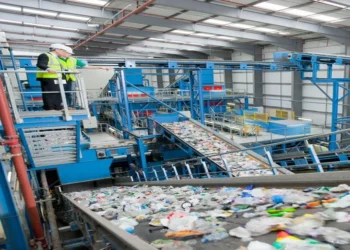
One of the strongest arguments for reducing paper usage is its environmental impact with the help of Cares. Paper production contributes to deforestation, water consumption, and energy use. The carbon footprint of producing and transporting paper is significant, and paper waste remains a major issue despite recycling efforts.
Digital solutions, on the other hand, promise a greener alternative. However, they are not without their environmental costs. Data centers, which power our digital world, consume vast amounts of energy and water. The production and disposal of electronic devices also pose significant environmental challenges. Therefore, while reducing paper usage is beneficial, it is crucial to consider the full environmental impact of digital alternatives.
The Enduring Relevance of Paper
Despite the rise of digital solutions, paper continues to hold significant value in various contexts. Here are some reasons why paper is not likely to become entirely obsolete:
- Tactile Experience: The physical feel of paper can enhance the reading and writing experience. Many people find reading on paper more enjoyable and less straining on the eyes compared to screens.
- Reliability: Paper does not require electricity or internet access, making it a reliable medium in situations where digital devices may fail or be impractical.
- Legal and Formal Documents: In many jurisdictions, paper documents are still required for legal purposes. Contracts, wills, and certificates often need to be in physical form to be legally binding.
- Archival Stability: Paper can last for centuries if stored properly, whereas digital formats may become obsolete or corrupted over time. Important historical documents and archives often rely on paper for long-term preservation.
- Personal Preference: Despite the convenience of digital tools, some people prefer paper for note-taking, journaling, and personal correspondence.
The Hybrid Approach
As we navigate the digital era, a hybrid approach that combines both digital and paper solutions may be the most practical path forward. This approach leverages the strengths of both mediums to meet different needs effectively.
- Digital for Efficiency: Use digital tools for tasks that benefit from speed, accessibility, and easy collaboration. Examples include emails, digital documents, and online research.
- Paper for Specific Needs: Maintain paper for tasks that benefit from its tactile nature, reliability, and long-term stability. Examples include important legal documents, personal journals, and printed books.
Innovations in Paper and Digital Integration
Innovations are emerging that bridge the gap between paper and digital. These technologies aim to combine the advantages of both mediums, providing seamless integration and enhancing user experience.
- Digital Notepads and Smart Pens: Devices like the Rocketbook and Livescribe smartpen allow users to write on paper while simultaneously digitizing their notes. This hybrid approach provides the tactile experience of writing on paper with the convenience of digital storage and sharing.
- Augmented Reality (AR): AR can bring static paper documents to life. For example, scanning a printed page with an AR-enabled device can reveal additional digital content, such as videos or interactive graphics.
- Paper with Embedded Technology: Innovations like NFC (Near Field Communication) chips embedded in paper can link physical documents to digital content, providing a bridge between the two worlds.
- Eco-Friendly Paper Alternatives: Sustainable alternatives to traditional paper, such as recycled paper and paper made from non-wood sources like hemp and bamboo, reduce environmental impact while maintaining the benefits of paper.
The Role of Paper in a Post-Pandemic World
The COVID-19 pandemic has accelerated digital transformation across many sectors. Remote work, online education, and telehealth have become more prevalent, further reducing the reliance on paper. However, this shift also highlighted the importance of paper in certain situations.
For example, during the pandemic, the demand for paper products such as packaging materials and hygiene products (e.g., paper towels and tissues) surged. Additionally, the need for printed educational materials remained crucial for students without reliable internet access.
The Future Outlook
The future of paper in a digital world will likely be characterized by coexistence rather than complete replacement. While digital solutions will continue to dominate in areas where they offer clear advantages, paper will remain relevant in contexts where its unique properties are valued.
- Sector-Specific Trends:
- Education: Blended learning models that combine digital resources with printed materials are likely to continue, catering to diverse learning preferences and needs.
- Healthcare: While electronic health records are becoming standard, paper may still be used for certain patient communications and documentation, especially in regions with limited digital infrastructure.
- Business: Digital transformation will drive efficiency, but paper will remain important for official records, legal documents, and situations where a physical presence is required.
- Cultural and Psychological Factors: The cultural significance and psychological comfort associated with paper should not be underestimated. For many, paper represents a tangible connection to information and history.
- Environmental Considerations: Efforts to reduce paper waste and promote sustainable practices will continue. The paper industry is likely to innovate towards more environmentally friendly production methods and materials.
Conclusion
In conclusion, while the digital revolution is transforming many aspects of our lives, the notion that paper is becoming obsolete is an oversimplification. Paper continues to hold value for its tactile experience, reliability, and archival stability. A hybrid approach that leverages the strengths of both paper and digital mediums is emerging as the most practical way forward. Innovations that integrate paper and digital technologies further highlight the potential for coexistence and complementarity. As we move into the future, both paper and digital solutions will play crucial roles in meeting the diverse needs of individuals and organizations.