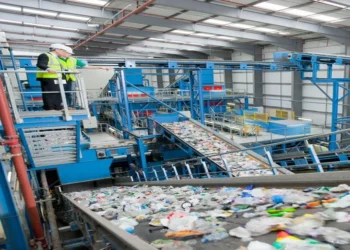


In recent years, sustainability has become a core focus for industries worldwide, and manufacturing is no exception. As consumers demand more environmentally responsible practices, businesses are increasingly adopting sustainable manufacturing processes to meet regulatory requirements and market expectations. However, these changes are also reshaping how companies approach quality control.
Let’s explore the key trends in sustainable manufacturing and how they impact quality control strategies.
- Use of Eco-Friendly Materials
One of the most significant trends in sustainable manufacturing is the shift towards eco-friendly materials. Many manufacturers are reducing their reliance on non-renewable resources and opting for recyclable or biodegradable materials in their production processes. This move is not only beneficial for the environment but also appeals to eco-conscious consumers.
However, integrating new materials into production lines requires careful attention to quality control. Manufacturers must ensure that these materials meet the same durability, performance, and safety standards as traditional ones. Quality control teams are tasked with developing new testing protocols to evaluate the performance of sustainable materials and ensure they deliver consistent product quality.
- Energy-Efficient Production Processes
Energy efficiency is another critical focus in sustainable manufacturing. By implementing energy-saving technologies like renewable energy sources, smart manufacturing systems, and energy-efficient equipment, companies can lower their carbon footprint while reducing operational costs.
For quality control, this shift requires enhanced monitoring of production processes. Energy-efficient manufacturing may involve changes to equipment or the introduction of automation, both of which can affect product consistency and quality. Quality control teams need to ensure that these energy-saving measures do not compromise the integrity or performance of the final product.
- Waste Reduction and Circular Economy Models
Many manufacturers are adopting circular economy models, which prioritize waste reduction, product reuse, and recycling. This sustainable approach to production minimizes the environmental impact by extending the life cycle of materials and products.
The shift towards waste reduction has a direct impact on quality control. Inspectors must closely monitor production processes to ensure that recycled materials meet high-quality standards and are not introducing defects. Additionally, businesses are developing quality control systems to assess the effectiveness of product reusability and recyclability, ensuring compliance with sustainability goals without compromising product quality.
- Ethical Labor Practices and Supply Chain Audits
Sustainable manufacturing is not only about reducing environmental impact but also about ensuring ethical labor practices. More consumers and regulatory bodies are demanding transparency in supply chains, including the working conditions of laborers involved in production.
Quality control now extends beyond the physical product to include audits of suppliers’ practices, ensuring they comply with labor standards and ethical business practices. This emphasis on ethical audits is reshaping how companies vet and engage with their suppliers, adding a new layer of responsibility to quality control operations.
- Integration of Smart Manufacturing and Data Analytics
Sustainable manufacturing often relies on the integration of smart manufacturing technologies, such as the Internet of Things (IoT) and data analytics. These tools can monitor and optimize production processes in real time, minimizing resource consumption and reducing waste.
For quality control teams, this means greater access to real-time data that can be used to identify defects and inefficiencies at any stage of the production cycle. Predictive analytics can also help manufacturers anticipate potential quality issues before they arise, allowing for more proactive quality control measures.
- Compliance with Sustainability Standards and Certifications
As sustainability becomes a central concern, more companies are seeking certifications and adhering to sustainability standards such as ISO 14001, which focuses on environmental management systems. These certifications not only demonstrate a company’s commitment to sustainability but also help them meet international regulations.
Quality control teams play a crucial role in ensuring compliance with these standards. They must implement and maintain processes that align with the environmental criteria set by these certifications, all while maintaining high product quality. This can involve more rigorous testing, additional documentation, and regular audits to ensure compliance.