
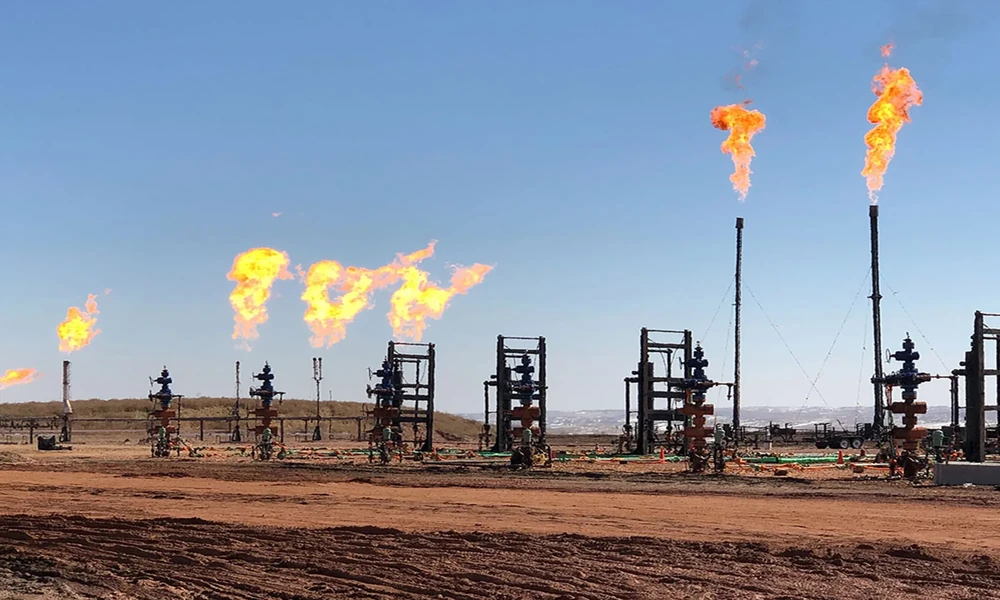
Flaring burns off gas that has real value. It’s wasted, and it adds emissions for nothing in return. Turning that same gas into usable power flips the entire equation. The flare gas to power projects capture gas that would otherwise burn off at the flare stack. That gas gets treated, conditioned, and run through generators instead. The result is real electricity from something that used to be pure waste.
Every gas field is genuinely different
Gas composition varies by field. Pressure varies. Volume varies too. A generic, off the shelf system rarely handles that well.
Engineers design each system around the actual gas conditions on that specific site, not a theoretical average pulled from a spec sheet.
Treating the gas comes first
Raw flare gas often isn’t clean enough to run straight through a generator. It might carry high water content. It might carry heavy hydrocarbons that need stripping out first.
Treatment and conditioning happen before generation, not as an afterthought. Skipping this step damages equipment fast.
Modular generation scales with the field
Gas volume changes over a field’s life. It usually drops over time. A modular gas generator fleet scales down to match, without shutting the whole system off. That flexibility matters more than raw capacity on most long-running projects.
The scale can genuinely be enormous
One project in Iraqi Kurdistan reached 165 megawatts. It eliminated routine flaring completely at that site. It supplied reliable power to the local grid, all day, every day.
That single project saved an estimated 840 tonnes of carbon dioxide daily. Aggreko has delivered more than 500 megawatts of this kind of power globally to date. That’s the scale flare to power can reach when it’s done properly.
What actually gets built on site
- Gas treatment and conditioning equipment for the specific gas profile
- NGL stripping for gas with heavier hydrocarbon content
- Modular gas generators sized to actual output
- Transmission and distribution infrastructure where the site needs it
The benefits go beyond the environmental case
Cutting flaring lowers emissions, yes. It also cuts flare tax costs directly. It turns a pure cost centre into something that actually generates value.
Excess power can even get sold, or used to reduce grid dependence elsewhere on site. The environmental win and the financial win aren’t separate here. They’re the same project.
Handling difficult gas is part of the job
Not all flare gas is easy to work with. Some fields produce gas high in hydrogen sulfide. Some carry high water content, or low methane numbers that would choke a standard generator.
Purpose built treatment handles these cases directly. Where a standard setup won’t work, engineers build a bespoke solution around that specific gas profile instead.
Financing doesn’t have to sit on your balance sheet
A full flare to power system is a serious capital project on paper. It doesn’t have to work that way in practice. OPEX based commercial models remove the need for major upfront spending.
A provider can develop, finance, build, and operate the whole system instead, structured around actual gas availability and power output. That model lets an operator move toward zero routine flaring without a heavy balance sheet commitment upfront.
Regulatory pressure is only increasing
Zero flaring commitments are becoming standard across major oil producing regions. Regulators are tightening flare limits year over year. Operators who wait to address this often face rising flare tax costs, and eventually, production limits tied directly to flaring volume.
Building a flare to power system ahead of stricter rules tends to cost less, and cause far less disruption, than retrofitting one under regulatory pressure later. Theflare gas to powerturns a routine waste stream into a genuine, working asset. The technical work happens up front, so the power output stays reliable for years afterward.