
Tag: Business

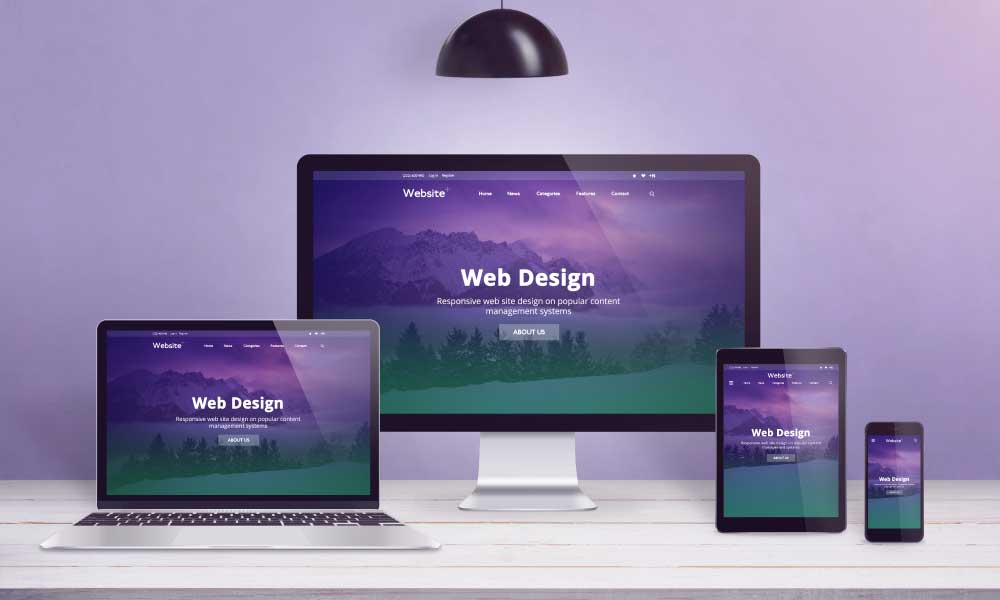
  • Branding And Visual Identity Services From A Web Design Company In Denver

    Branding And Visual Identity Services From A Web Design Company In Denver

    In the modern digital marketplace, branding is no longer limited to a logo or a color palette. Businesses need a consistent and recognizable identity that connects with customers across websites, social platforms, and digital marketing channels. Strong branding communicates credibility, professionalism, and the values of a company. This is where professional design expertise becomes essential.

    A Denver web design company often plays a major role in helping businesses establish a cohesive brand presence online. Through visual identity design, strategic planning, and modern web development techniques, companies can present a polished and memorable image to their audience. These services help businesses stand out in competitive markets while strengthening customer trust.

    The Importance Of Visual Identity In Business Branding

    Visual identity is what makes a business look the way it does. Some of the things that make up branding are logos, fonts, colors, icons, and design styles. When these elements are used consistently across digital platforms, they create a recognizable image that customers associate with a company.

    Professional branding services focus on aligning visual identity with the company’s mission and target audience. A thoughtful visual system ensures that every digital interaction reflects the same message and personality. Businesses that invest in a strong visual identity often experience better brand recall, improved credibility, and a stronger emotional connection with their audience.

    A well-designed website is often the first place customers experience a brand’s identity. Because of this, businesses frequently collaborate with a web design company in Denver to develop a visual framework that supports their long-term branding goals.

    Logo Design And Brand Symbol Development

    The logo is one of the most recognizable parts of a business. A logo acts as the face of the business and represents its values and personality. Professional designers focus on creating logos that are simple, memorable, and adaptable across different digital platforms.

    Effective logo design considers color psychology, typography balance, and visual symbolism. A well-crafted logo can communicate professionalism and establish trust with potential customers. It must also remain clear and recognizable whether displayed on a website header, social media profile, or marketing material.

    Design specialists working within a web design company in Denver often collaborate closely with business owners to understand their industry, target market, and brand personality before developing a logo concept. This collaborative process ensures the final design reflects the company’s vision and long-term identity.

    Color Palettes And Typography Systems

    Color and typography are powerful tools in shaping a brand’s personality. Colors evoke emotions and create associations that influence how customers perceive a business. Typography determines the tone of communication, whether modern, professional, friendly, or innovative.

    Branding specialists create carefully selected color palettes and font systems that remain consistent across all digital platforms. Consistency helps strengthen recognition and reinforces the company’s image in the minds of customers.

    When integrated into a website, these visual elements contribute to a seamless user experience. Many businesses rely on a web design company in Denver to ensure that colors, fonts, and graphic styles align with the overall brand identity while maintaining visual harmony across pages.

    Website Design As A Core Branding Tool

    A website is often the central hub of a company’s digital presence. It is where customers learn about products, services, and the story behind the brand. Because of this, web design plays a crucial role in shaping visual identity.

    Modern branding services integrate design elements into website layouts that reflect the brand’s voice and personality. This includes visual hierarchy, image selection, iconography, and interactive design features.

    Design professionals working for a web design company in Denver often combine branding strategy with user experience principles. The result is a website that not only looks visually appealing but also guides visitors smoothly through the information they need.

    Consistency Across Digital Platforms

    Branding does not stop at a website. Businesses interact with customers through multiple digital channels such as social media, email marketing, and online advertising. Each platform should reflect the same visual identity to maintain recognition and professionalism.

    Brand guidelines are commonly developed to maintain this consistency. These guidelines define logo usage, color codes, typography rules, and design standards. When followed properly, they ensure every piece of digital communication represents the brand accurately.

    A professional web design company in Denver often helps businesses create these guidelines so that branding remains consistent across websites, social media content, digital advertisements, and marketing materials.

    Strengthening Brand Recognition And Customer Trust

    Consistent visual identity plays a major role in building customer trust. People find it easier to know and remember a company when they see the same style of branding over and over again. This familiarity encourages confidence and strengthens long-term customer relationships.

    When a business pays for professional branding services, it usually gets a better place in the market and more credibility. A well-developed brand identity also helps companies communicate their values clearly and differentiate themselves from competitors.

    By working with a web design company in Denver, businesses gain access to design professionals who understand both visual creativity and digital strategy. This combination allows companies to develop branding that is both visually impressive and strategically effective.

    Conclusion

    Branding and visual identity are essential components of modern business success. They influence how customers perceive a company, interact with its website, and remember its message. Through thoughtful design, consistent visual systems, and strategic planning, businesses can build a recognizable and trustworthy brand presence. Professional branding services provided by a web design company in Denver help transform ideas into a cohesive digital identity. From logo creation and color systems to website design and brand guidelines, these services give businesses the tools needed to present a polished and professional image in the digital world.

  • Air Cushion Machine Helping Businesses Improve Packaging Efficiency and Shipping Protection

    Air Cushion Machine Helping Businesses Improve Packaging Efficiency and Shipping Protection

    Long hours in a busy warehouse often reveal a simple truth: packaging can make or break the shipping experience. A fragile product, no matter how well designed, still depends on the protection surrounding it during transit. That’s exactly where an Air Cushion Machine begins to change the story. By creating lightweight yet highly protective air-filled packaging on demand, an Air Cushion Machine helps businesses reduce waste, speed up packing operations, and ensure that products arrive safely at their destination.

    Modern logistics moves quickly, and businesses can no longer rely solely on bulky packing materials that take up valuable storage space. An Air Cushion Machine allows companies to produce air pillows and cushioning materials instantly, eliminating the need to stockpile large volumes of pre-made packaging supplies. Instead of storing piles of foam or paper filler, teams simply load a roll of film into the Air Cushion Machine and generate protective cushions exactly when needed.

    Smarter Packaging with Air Cushion Machine Technology

    An Air Cushion Machine represents a shift toward smarter packaging systems designed for fast-moving shipping environments. Traditional packaging methods often involve time-consuming steps such as cutting foam sheets, stuffing paper fillers, or manually wrapping fragile items. With an Air Cushion Machine, the entire process becomes streamlined.

    Packing staff can quickly produce air cushions of various sizes and shapes depending on the product being shipped. An Air Cushion Machine inflates and seals film into protective pockets within seconds, allowing workers to focus more on packing efficiency rather than preparing cushioning materials.

    Another advantage of an Air Cushion Machine is consistency. Manual packaging methods can vary depending on the worker or the material being used. With an Air Cushion Machine, every cushion produced has uniform air pressure and structure, ensuring consistent protection across all shipments.

    Consistency becomes especially important for e-commerce businesses handling thousands of packages every day. An Air Cushion Machine ensures that each package receives the same level of cushioning, reducing the risk of damage during transportation.

    Improving Warehouse Efficiency with Air Cushion Machine Solutions

    Warehouse productivity often depends on how smoothly packaging operations run. Bottlenecks in packing stations can slow down the entire fulfillment process. An Air Cushion Machine plays an important role in eliminating those bottlenecks by simplifying the packaging workflow.

    Instead of searching for the right filler material or cutting protective sheets, workers can generate cushioning instantly with an Air Cushion Machine. The machine sits conveniently at packing stations, producing air pillows or bubble-style cushions in real time.

    This immediate production capability helps maintain a steady packing rhythm. Workers spend less time handling packaging materials and more time preparing shipments. As a result, businesses can process more orders within the same timeframe, all thanks to the efficiency created by an Air Cushion Machine.

    Another benefit involves space management. Warehouses often struggle with limited storage space, especially during peak seasons. Traditional packaging materials such as foam blocks or paper fillers occupy large areas. An Air Cushion Machine eliminates this problem by using compact film rolls that take up minimal space.

    Once the film is loaded into the Air Cushion Machine, it transforms into protective air cushions only when needed. This simple change can free up significant warehouse storage space while maintaining reliable packaging protection.

    Air Cushion Machine and Shipping Protection

    Shipping environments can be unpredictable. Packages may travel across multiple distribution centers, conveyor systems, delivery trucks, and handling stations before reaching the customer. Every stage introduces potential risks such as impact, compression, or vibration.

    An Air Cushion Machine helps address these risks by producing air-filled cushions designed to absorb shocks and distribute pressure evenly. Each cushion generated by an Air Cushion Machine creates a protective barrier around the product inside the package.

    These air cushions act as shock absorbers, reducing the likelihood of breakage during transport. Fragile items such as electronics, glassware, cosmetics, and small appliances benefit significantly from the protection provided by an Air Cushion Machine.

    Another advantage of using an Air Cushion Machine lies in its lightweight nature. Traditional materials like foam or molded inserts add extra weight to packages. Air cushions created by an Air Cushion Machine provide effective protection while keeping the package weight minimal.

    Lower shipping weight often leads to reduced transportation costs. Businesses that rely heavily on shipping operations quickly realize how valuable an Air Cushion Machine can be in controlling long-term logistics expenses.

    Flexible Packaging Options with Air Cushion Machine

    Product sizes and shapes vary widely across industries, which makes flexibility essential for packaging solutions. An Air Cushion Machine offers impressive versatility because it can produce several types of air-filled protective materials.

    For example, an Air Cushion Machine can create standard air pillows used to fill empty spaces inside shipping boxes. These pillows prevent items from shifting during transportation. With just a few adjustments, the same Air Cushion Machine can also generate bubble-style cushioning designed to wrap delicate products.

    Some advanced models of Air Cushion Machine systems can produce larger air chambers for heavy or fragile items. This flexibility allows businesses to adapt their packaging strategy depending on the product being shipped.

    Such adaptability becomes particularly useful for companies that handle multiple product categories. Instead of investing in different packaging machines, a single Air Cushion Machine can provide a range of protective packaging solutions.

    Cost Savings Through Air Cushion Machine Efficiency

    Packaging costs often represent a significant portion of operational expenses for e-commerce companies and manufacturers. Materials, storage, and labor all contribute to overall packaging costs. An Air Cushion Machine helps reduce these expenses in several ways.

    First, the raw material used by an Air Cushion Machine typically comes in the form of compact film rolls. These rolls require far less storage space than bulky packaging materials. Lower storage requirements translate into reduced warehouse costs.

    Second, the efficiency of an Air Cushion Machine reduces the amount of time workers spend preparing packaging materials. Faster packing operations mean businesses can process more orders with the same workforce.

    Third, air cushions generated by an Air Cushion Machine minimize product damage during shipping. Fewer damaged shipments mean fewer product replacements, refunds, or return shipping expenses.

    Over time, these savings accumulate and make the Air Cushion Machine a cost-effective investment for many businesses.

    Environmental Advantages of Air Cushion Machine Packaging

    Environmental awareness continues to grow among consumers and businesses alike. Companies are increasingly seeking packaging solutions that reduce waste while maintaining product safety. An Air Cushion Machine supports sustainability goals in several ways.

    Air cushions produced by an Air Cushion Machine use minimal material because most of the cushion consists of air. Compared to foam or paper fillers, this packaging method significantly reduces the amount of raw material used.

    Many modern Air Cushion Machine systems also support recyclable or biodegradable film materials. Businesses can choose environmentally friendly packaging films without sacrificing the performance of their Air Cushion Machine.

    Reduced material usage also leads to lower transportation emissions. Since air cushions are lightweight, shipments packaged with an Air Cushion Machine often weigh less than those using traditional fillers.

    Less weight during transportation can contribute to reduced fuel consumption and a smaller carbon footprint. Businesses that prioritize sustainability often see an Air Cushion Machine as a practical step toward greener packaging operations.

    Air Cushion Machine in E Commerce Operations

    E-commerce businesses operate in a highly competitive environment where speed and reliability matter. Customers expect fast shipping and perfectly protected products. An Air Cushion Machine plays a crucial role in meeting these expectations.

    Packing teams working in online retail fulfillment centers often handle hundreds or thousands of orders daily. An Air Cushion Machine helps maintain consistent packaging quality while keeping operations efficient.

    Fast production of cushioning materials allows workers to pack orders quickly without sacrificing protection. This efficiency becomes particularly valuable during busy seasons such as holiday sales or promotional campaigns.

    Another advantage of an Air Cushion Machine involves customer satisfaction. Packages filled with air cushions tend to look cleaner and more professional compared to boxes stuffed with random paper fillers. A well-packaged shipment reinforces the perception that the brand cares about quality and product protection.

    For many e-commerce businesses, investing in an Air Cushion Machine becomes a logical step toward improving the entire fulfillment process.

    Choosing the Right Air Cushion Machine

    Selecting the right Air Cushion Machine depends on several factors including packaging volume, available workspace, and the types of products being shipped. Small businesses may prefer compact tabletop machines designed for moderate packaging needs.

    Larger warehouses often rely on high-speed Air Cushion Machine systems capable of producing large quantities of air pillows quickly. These machines can support multiple packing stations and maintain steady output during peak demand.

    Ease of use also plays an important role. A well-designed Air Cushion Machine should feature simple controls that allow workers to operate it with minimal training. Quick film replacement and easy maintenance can further improve the overall efficiency of an Air Cushion Machine.

    Businesses should also consider film compatibility and cushion variety when choosing an Air Cushion Machine. A flexible machine capable of producing different cushion types offers greater long-term value.

    The Future of Packaging with Air Cushion Machine Technology

    Packaging technology continues to evolve as businesses search for smarter, faster, and more sustainable solutions. An Air Cushion Machine stands at the center of this transformation by offering a practical balance between protection, efficiency, and cost control.

    Innovations in packaging films and machine design are making the Air Cushion Machine even more efficient and environmentally friendly. Modern systems are becoming quieter, faster, and easier to integrate into automated packaging lines.

    Automation also opens new possibilities for the Air Cushion Machine in large-scale fulfillment centers. Some facilities already combine air cushion production with automated packing stations, creating seamless packaging workflows.

    As e-commerce continues to expand globally, demand for reliable protective packaging will only increase. Businesses that adopt efficient packaging tools like the Air Cushion Machine position themselves to handle future shipping challenges with greater confidence.

    Reliable packaging protection, faster warehouse operations, and reduced material waste all contribute to the growing popularity of the Air Cushion Machine. Companies across industries are discovering that a simple machine producing air-filled cushions can significantly improve the way products are packaged and shipped.

    Packaging may seem like a small detail in the larger supply chain, yet its impact reaches customers directly. A well-protected product arriving safely at someone’s doorstep often leaves a lasting impression. With the help of an Air Cushion Machine, businesses gain the ability to deliver that positive experience again and again while improving efficiency behind the scenes.

  • How Print‑On‑Demand Is Changing the Card Game Market

    How Print‑On‑Demand Is Changing the Card Game Market

    The tabletop gaming industry has experienced remarkable transformation in the past decade, with collectible card games, trading card games (TCGs), and hobbyist card games increasing in both popularity and variety.

    One of the most impactful shifts enabling this explosion of creativity and accessibility is print‑on‑demand (POD) technology. Traditionally, card game printing involved large minimum orders, long lead times, and significant upfront costs – barriers that kept many independent designers and smaller publishers from entering the market.

    Today, POD is reshaping these dynamics, empowering creators, delighting consumers, and unlocking new economic models in the card game ecosystem.

    Lower Barriers to Entry for Designers

    In the past, bringing a custom card game to market meant securing a substantial manufacturing order to achieve economies of scale – sometimes several thousand units. For independent designers or small publishers, this translated to financial risk: unsold inventory, storage costs, and uncertain demand. Frequently, only well‑funded companies could afford to play.

    POD eliminates these barriers. Designers can upload their card designs to online POD platforms and print single copies or small batches as needed. This means creators can experiment with themes, mechanics, and artwork without committing to a large print run. For emerging designers, POD transforms “idea” into “product” with unprecedented ease, dramatically democratizing participation in the card game market.

    Customization at Scale

    Beyond simply lowering entry costs, POD enables levels of customization that were previously impossible. Players can now commission bespoke decks tailored to personal preferences – whether that’s thematic elements, player names, or unique mechanics. For example, drinking card games can be customized for family nights or special events. Fans of niche genres can have decks created featuring their favorite characters, stories, or artistic styles.

    This trend toward personalization doesn’t just benefit individual players. Some creators build entire games around customizable components, allowing players to tweak or replace cards over time as part of the game’s progression. The result is a more intimate, engaging experience that deepens player investment and satisfaction.

    On‑Demand Supply Reduces Waste

    The environmental and economic inefficiencies of traditional manufacturing – overproduction, unsold stock, and storage waste – are well documented. POD addresses these issues directly by producing only what is ordered. This model minimizes waste, reduces inventory risk, and aligns production more closely with real demand.

    For the card game market, where new expansions, sets, and iterations are constant, this is particularly powerful. A publisher can offer a range of side decks or limited‑edition cards without worrying about leftover stock. Retailers and distributors also benefit, as they can order just enough to satisfy demand without tying up capital in inventory.

    Fast Iteration and Creative Freedom

    Traditional production schedules can take months – sometimes over a year – from design finalization to finished product on store shelves. For enthusiasts and designers alike, this slow pace often hinders creative iteration. POD accelerates this process dramatically.

    Designers can test concepts through small, quick print runs, gather feedback, and refine their products rapidly. This opens the door for more experimental mechanics and artistic styles that might not thrive in a conventional market constrained by economic risk. Developers can pivot faster and adapt to player feedback, leading to better‑balanced games and more innovative content.

    Enabling New Business Models

    Print‑on‑demand doesn’t just change how card games are made – it also transforms how they’re sold and monetized. Marketplaces that support POD often integrate digital storefronts, enabling seamless links between designers and customers. This fosters new business models such as:

    • Direct‑to‑Consumer Sales: Designers sell without intermediaries, maintaining control over pricing and branding.
    • Subscription Models: Players subscribe to receive new or customized decks periodically – a concept bolstered by the low‑risk nature of POD.
    • Digital Integration: Some creators pair downloadable digital versions with printed cards, blending digital and physical play experiences.

    These new revenue streams create richer ecosystems where creators thrive, and players enjoy more options.

    Supporting Community and Inclusivity

    Print‑on‑demand nurtures a community‑centric culture in the card gaming world. Designers and players interact more frequently than through traditional industry channels, sharing ideas, playtest decks, and feedback. The result is a more inclusive environment that amplifies diverse voices and perspectives. Smaller audiences that might have been ignored by major publishers now have space to grow and flourish.

    Platforms hosting POD services also often include community features like review systems, forums, or social integrations. These tools help players discover new games and support creators directly, reinforcing healthy engagement.

    Challenges and the Future

    Despite its benefits, POD isn’t without challenges. Production quality can vary between providers, and per‑unit costs may be higher than large‑scale manufacturing. Some expansions or premium card games with complex components – like foil stamping or game box inserts – still rely on traditional printing to achieve top quality at a lower unit cost.

    However, as technology advances and demand continues to grow, these limitations are gradually fading. The future of the card game market looks increasingly hybrid: large publishers leveraging POD for side products, indie designers launching vibrant niche titles, and players participating more directly in the creative process than ever before.

  • How To Choose the Right Web Design Company for Growth

    How To Choose the Right Web Design Company for Growth

    Where first impressions turn into real business growth

    A website can lose a customer before a single word is read. That sounds dramatic, yet it happens every day. People scan, judge, and decide within seconds. Because of that, design is no longer a side task. It is the center of trust, credibility, and growth. As business owners and teams, we often focus on products, pricing, and promotions. However, the digital storefront speaks first. When it looks sharp, loads fast, and feels easy to use, confidence builds almost instantly. That confidence turns clicks into conversations.

    Growth becomes easier when businesses are supported by a skilled web design company that understands both user behavior and clear structure. In this guide, we explore what truly makes a website perform, not just exist. We will break down how layout affects trust, why speed shapes search rankings, and what smart planning looks like before design even begins. More importantly, we will show how the right approach protects time, budget, and brand reputation.

    By reading this, we gain clarity on what separates average websites from high-performing ones. We learn what to check, what questions to ask, and what standards to expect. The goal is simple. Make confident decisions. Build with purpose. Create a site that works as hard as the business behind it.

    What makes a web design company worth hiring

    Not all agencies are equal. Some focus on looks only. Others care about function. The best one’s balance both. When you review options, start with their past work. Do their sites load fast? Are they easy to read? Do they guide visitors to act?

    Strong agencies think about user flow. They ask how people move through your pages. They plan clear buttons and clean layouts. They avoid clutter. They also test designs before launch. That saves time and stress later.

    Look for these signs:

    • Clear portfolio with real client results
    • Mobile-friendly layouts
    • Simple navigation
    • Fast loading pages
    • Ongoing support after launch

    Communication matters too. If they explain ideas in simple terms, that is a good sign. If they confuse you with jargon, step back. A good team listens first. Then they build around your goals.

    In short, value comes from strategy plus design. Not designed alone.

    How smart design impacts traffic and sales

    Design is not just about color. It shapes how people feel. When visitors trust your site, they stay longer. The longer they stay, the more they buy. That chain reaction matters.

    For example, clear headings help readers scan fast. Short paragraphs keep attention. Strong calls to action guide clicks. As a result, bounce rates drop. Search engines notice that behavior. Therefore, rankings improve over time.

    Speed plays a huge role as well. If a page takes more than three seconds to load, many users leave. That hurts sales. It also hurts SEO. Good designers optimize images and code. They reduce clutter. They test performance before launch.

    Here is what good design improves:

    • Conversion rates
    • User trust
    • Search rankings
    • Brand image
    • Repeat visits

    Design is a one-time task. It is not. Trends change. User habits shift. Regular updates keep your brand fresh. When businesses treat design as growth fuel, they see steady results.

    Why strategy must come before visual design

    Many people jump straight into colors and logos. That feels exciting. However, without a plan, even beautiful sites fail.

    Strategy answers key questions. Who is your target audience? What problem do you solve? What action should visitors take? Once these answers are clear, design becomes easier.

    Strong planning includes:

    • Clear business goals
    • Defined audience profile
    • Keyword research
    • Content structure
    • Measurable outcomes

    When structure comes first, every page has purpose. Visitors understand what to do next. That reduces confusion, and consequently, engagement rises.

    Think of it like building a house. You would not paint walls before laying the foundation. The same logic applies here. Strategy shapes layout, content, and navigation. Then, the visual style supports that structure.

    Businesses that skip this step often redesign again within a year. That costs more money. Planning well from day one avoids that waste.

    How to choose the best partner for long-term success

    Choosing a partner is about trust. Price matters, yes. But value matters more.

    Start by asking how they measure success. Do they track conversions? Do they review data after launch? Ongoing improvement shows commitment. A serious team does not disappear once the invoice is paid.

    Ask about timelines and process. Clear steps reduce surprises. Good partners share progress updates. They welcome feedback. They adjust when needed.

    Before signing, check:

    • Client reviews
    • Case studies
    • Support terms
    • Clear pricing structure
    • Realistic timelines

    Also, pay attention to how they treat small details. If emails are clear and prompt, that reflects their work style. Small habits show big patterns.

    Long-term growth needs consistency. A strong partner evolves with your brand. They help you adapt as trends shift. That ongoing care builds real momentum.

    Moving forward with confidence and clarity

    We have covered what matters most when choosing the right team. Design shapes trust. Strategy shapes results. Speed shapes user behavior. When these elements align, growth follows naturally.

    Now the next step is simple. Take what you learned and review your current site. Be honest. Does it guide visitors clearly? Does it load fast? Does it reflect your brand well?

    If not, we are ready to help you move forward with purpose. Websites should work hard, not just look nice. When you choose wisely, your site becomes your strongest sales tool.

    Let us build something that supports your goals and drives steady growth. The right choice today can shape your success for years to come.


  • Decision Theory: The Study of Reasoning Behind Rational Choices

    Decision Theory: The Study of Reasoning Behind Rational Choices

    Every intelligent system, whether human or artificial, faces decisions under uncertainty. From choosing the fastest route in traffic to determining how an autonomous system reacts to unexpected input, decisions are rarely made with complete information. Decision Theory provides a structured framework to analyse how rational agents should make choices when outcomes are uncertain and consequences vary. By combining probability theory, which models uncertainty, and utility theory, which represents preferences, decision theory explains not just what choice is made, but why that choice is logically justified.

    Foundations of Decision Theory

    At its core, decision theory concerns mapping possible actions to possible outcomes and evaluating those outcomes rationally. An agent begins with a set of actions it can take. Each action yields uncertain outcomes, and probabilities quantify these uncertainties.

    Utility theory enters the picture by assigning numerical values to outcomes based on how desirable they are to the agent. These values capture preferences, trade-offs, and priorities. For example, one outcome may be more profitable but riskier, while another may be safer but less rewarding. Decision theory provides a formal way to compare such outcomes by calculating expected utility, which combines probability and utility into a single measure.

    This foundation allows agents to move beyond intuition and rely on mathematically grounded reasoning, making it especially valuable in complex systems where consistency and transparency are critical.

    Expected Utility and Rational Choice

    Expected utility is the central concept that connects probability and utility. It represents the average value an agent can expect from choosing a particular action, taking into account all possible outcomes and their likelihoods. The rational choice, according to classical decision theory, is the action that maximises expected utility.

    This principle has wide applications. In economics, it explains consumer behaviour under risk. In operations research, it supports optimal planning. In artificial intelligence, it guides how systems choose actions in uncertain environments. For instance, a recommendation system may evaluate multiple options, estimate user response probabilities, and select the option with the highest expected satisfaction.

    Understanding expected utility helps explain why rational agents may choose differently when faced with the same information but different preferences. This distinction is crucial when designing intelligent systems that must adapt to varying objectives.

    Decision Theory in Intelligent Agents

    In artificial intelligence, decision theory plays a key role in modelling rational agents. An intelligent agent is one that perceives its environment, reasons about possible actions, and selects actions that maximise its performance measure. Decision theory provides the formal reasoning layer that connects perception to action.

    Markov decision processes and partially observable decision models are practical extensions of decision theory used in AI systems. They allow agents to plan sequences of actions over time, account for delayed rewards, and operate under uncertainty. These models are widely used in robotics, automated control systems, and reinforcement learning.

    Learners exploring advanced reasoning systems through an artificial intelligence course in bangalore often encounter decision theory as a conceptual backbone for understanding how intelligent agents balance risk, reward, and uncertainty in real-world scenarios.

    Human vs Machine Decision-Making

    While decision theory describes how rational agents should decide, real human decisions often deviate from this ideal. Cognitive biases, incomplete information processing, and emotional factors influence human choices. Behavioural decision theory studies these deviations and explains why people sometimes act against expected utility principles.

    Machines, on the other hand, can adhere strictly to decision-theoretic models if their inputs are well-defined. This consistency is both a strength and a limitation. While machines avoid emotional bias, they rely heavily on the quality of probability estimates and utility definitions provided to them. Poor modelling can lead to rational but undesirable outcomes.

    This contrast highlights the importance of careful design in intelligent systems. Defining appropriate utilities and constraints ensures that automated decisions align with ethical, practical, and business goals.

    Practical Applications and Limitations

    Decision theory is applied in diverse fields such as finance, healthcare, logistics, and artificial intelligence. It supports portfolio optimisation, medical diagnosis, supply chain planning, and autonomous decision-making. Its strength lies in providing a clear, auditable rationale for decisions.

    However, decision theory also has limitations. Assigning accurate probabilities and utilities can be difficult in complex or dynamic environments. Computational complexity can increase rapidly as the number of actions and outcomes grows. In such cases, approximations and heuristics are often used.

    These challenges make decision theory both powerful and demanding. Mastery requires not only mathematical understanding but also practical judgement, which is why it is often a core topic in advanced learning pathways like an artificial intelligence course in bangalore.

    Conclusion

    Decision theory offers a rigorous framework for understanding how rational choices are made under uncertainty. By combining probability and utility, it explains how agents evaluate options, manage risk, and select actions that align with their goals. In artificial intelligence, it provides the reasoning foundation for intelligent behaviour, enabling systems to act consistently and transparently. While real-world constraints introduce challenges, decision theory remains a cornerstone of rational decision-making and a critical concept for anyone seeking to understand or build intelligent agents.

  • Why Video Is the New Front Door for Home Service Brands in 2026

    Why Video Is the New Front Door for Home Service Brands in 2026

    The First Impression Happens Before the Website

    In 2026, the first impression a homeowner has of a home service company rarely starts on a website. More often, it starts with video. That video might appear in a social feed, inside a map listing, embedded in a search result, or surfaced by an AI driven recommendation. Before a homeowner clicks, reads, or calls, they watch.

    This shift has changed how trust is formed. Instead of relying on long pages of copy or scrolling through multiple listings, homeowners make quick judgments based on what they see and hear. Video has effectively become the new front door for home service brands.

    That front door is open long before the homeowner realizes they need service.

    Why Homeowners Trust What They Can See

    Home service decisions carry risk. Homeowners worry about cost, reliability, and whether the person showing up will treat their home with care. Video reduces that uncertainty faster than text or static images because it shows reality instead of describing it.

    When homeowners see a technician explain a problem, walk through a repair, or calmly describe next steps, confidence builds. They are not just learning what you do. They are learning how you communicate, how professional you appear, and whether you feel trustworthy.

    Text can explain experience. Video demonstrates it.

    Familiarity Replaces Hesitation

    One of the most powerful effects of video is familiarity. When homeowners watch your videos, they begin to recognize faces, voices, and mannerisms. The brand stops feeling abstract and starts feeling known.

    This familiarity changes behavior. When the time comes to call, the decision feels safer. Homeowners are less likely to comparison shop because they already feel connected to your business. The call becomes a continuation of a relationship rather than a cold introduction.

    In competitive markets, this familiarity is often the deciding factor.

    Video Meets Homeowners Where They Already Are

    Websites require intention. Video does not. Homeowners encounter video while scrolling social platforms, browsing maps, or searching for unrelated information. This allows brands to build awareness before the moment of need.

    A homeowner might see your video explaining common plumbing issues weeks before a pipe bursts. When the emergency happens, your brand is already top of mind. This is especially powerful for services where urgency drives decisions.

    The new front door is not something homeowners seek out. It is something they walk past every day.

    Authentic Video Outperforms Polished Ads

    One of the biggest misconceptions about video marketing is that it requires high production value. In reality, homeowners respond better to authenticity than perfection. Videos filmed on job sites, in trucks, or inside real homes often perform better than studio produced ads.

    Authentic video feels honest. It signals confidence without exaggeration. Homeowners trust businesses that appear comfortable being real.

    This lowers the barrier to entry for contractors. Video does not need to be intimidating. It needs to be helpful and human.

    Video Sets Expectations Before the Phone Rings

    Another advantage of video as a front door is expectation setting. Homeowners who watch service explanation videos understand the process before they call. They know what questions to expect and what the experience will feel like.

    This leads to better conversations, smoother scheduling, and fewer misunderstandings. It also attracts customers who value professionalism and transparency, which improves job quality and customer satisfaction.

    Video filters as much as it attracts, and that filtering benefits both the homeowner and the business.

    Why Video Improves Brand Memory

    Video is easier to remember than text. Faces, voices, and visuals stick in the mind longer than written descriptions. In crowded markets, being remembered is just as important as being seen.

    When homeowners later search for service, they often recognize the brand they saw in a video even if they cannot recall exactly where they saw it. That recognition drives action.

    This brand memory compounds over time, turning casual exposure into long term advantage.

    Video as a Long-Term Growth Asset

    When used consistently, video becomes an asset that keeps working. Each video reinforces the next. Each view builds familiarity. Over time, your brand feels established even to people who have never interacted directly with your business.

    As Don Marks of Superpath has noted when discussing contractor brand growth, homeowners may forget ads, but they remember people. Video makes your brand feel personal before the first conversation ever happens.

    In 2026, video is no longer just another marketing channel. It is the new front door for home service brands, shaping trust, familiarity, and decisions long before the phone ever rings.

  • Essential Services Every Business Owner Should Know About

    Essential Services Every Business Owner Should Know About

    Running a business comes with numerous responsibilities, from managing employees to ensuring smooth operations. While the core of your business may be your products or services, leveraging the right external services can make a significant difference in efficiency, growth, and long-term success. Understanding the essential services available to business owners helps streamline operations, reduce risks, and focus on what truly matters-growing your business.

    IT Staffing: Building a Strong Tech Backbone

    IT staffing is crucial for businesses that rely on technology to operate efficiently. Whether it’s developing software, maintaining networks, or managing cybersecurity, having access to qualified IT professionals ensures that your systems run smoothly. Outsourcing IT staffing allows businesses to quickly scale their technical teams based on current needs, avoiding the long hiring process and the high costs of maintaining a large in-house IT department. With the right IT staffing solutions, businesses can stay ahead of technological changes and ensure uninterrupted operations.

    PEO Services: Simplifying Human Resources

    PEO services, or Professional Employer Organization services, are designed to help businesses manage complex HR functions. From payroll processing and employee benefits to compliance and risk management, PEO services streamline administrative tasks, allowing business owners to focus on growth. Partnering with a PEO can also improve employee satisfaction by providing access to better benefits packages and professional HR support. For small to mid-sized businesses, PEO services offer a cost-effective way to access expertise typically reserved for larger corporations.

    Accounting and Bookkeeping Services: Keeping Finances in Check

    Financial management is one of the most critical areas for any business. Professional accounting and bookkeeping services ensure that your financial records are accurate, taxes are filed correctly, and cash flow is monitored effectively. These services help prevent errors that could result in financial penalties and provide insights that support strategic decision-making. Business owners who invest in professional accounting services can better understand their financial health, plan for growth, and make informed budgeting decisions.

    Marketing and Branding Services: Expanding Your Reach

    A strong marketing strategy is essential for attracting customers and building a recognizable brand. Marketing and branding services help businesses develop campaigns, manage social media, and create compelling content that resonates with their target audience. These services also provide market research and competitive analysis to ensure that your marketing efforts are efficient and impactful. By leveraging professional marketing services, business owners can enhance visibility, drive sales, and strengthen their market presence.

    Legal Services: Protecting Your Business Interests

    Legal services are vital for navigating the complex regulatory environment in which businesses operate. Business owners need legal support for contracts, intellectual property protection, employment law, and compliance with local and federal regulations. Access to experienced legal counsel can prevent costly disputes and help businesses make informed decisions that mitigate risk. Legal services act as a safeguard, ensuring that your business operations remain compliant and protected from potential liabilities.

    Facility Management Services: Maintaining a Productive Environment

    For businesses with physical locations, facility management services play a key role in maintaining a safe and efficient work environment. These services include building maintenance, cleaning, security, and utilities management. Proper facility management not only ensures the safety and comfort of employees but also contributes to operational efficiency. Outsourcing facility management allows business owners to focus on their core business functions while experts handle the day-to-day upkeep of the workspace.

    Financial Advisory Services: Planning for Growth

    Financial advisory services help businesses plan for long-term growth and stability. These services provide guidance on investments, funding strategies, mergers and acquisitions, and risk management. A skilled financial advisor can offer insights that support strategic decision-making and help business owners optimize resources. By leveraging financial advisory services, businesses can create sustainable growth plans, reduce financial risks, and make more informed investment choices.

    Conclusion

    Every business, regardless of size or industry, can benefit from a range of professional services designed to streamline operations, improve efficiency, and support growth. IT staffing, PEO services, accounting, marketing, legal support, facility management, and financial advisory services are just a few examples of essential resources available to business owners. By leveraging these services, entrepreneurs can focus on their core business objectives while ensuring their operations remain efficient, compliant, and well-positioned for long-term success.

  • 5 Leadership Habits That Drive Organizational Success

    5 Leadership Habits That Drive Organizational Success

    Effective leadership serves as the cornerstone of a thriving organization. Strong leaders do more than manage tasks; they inspire those around them and create a culture where both individuals and the business can excel. By developing proven habits, leaders enable their teams to succeed and lay the groundwork for organizational achievement. The following five leadership habits are essential for anyone committed to driving long-term success.

    Active Listening

    Leaders who engage in active listening demonstrate genuine respect for the perspectives of others. This approach encourages collaboration, strengthens trust, and leads to better decision-making based on the team’s insights and concerns. Listening actively helps uncover important information, anticipate challenges, and build morale among team members. By showing attentiveness, leaders foster an environment where employees feel valued and motivated. Arif Bhalwani, entrepreneur and CEO of Third Eye Capital Corporation, exemplifies this habit through his commitment to meaningful, two-way communication.

    Consistent Communication

    Clear and consistent communication keeps everyone on the same page and aligned with company objectives. Leaders who communicate openly and frequently ensure their teams stay informed about goals, decisions, and progress. This type of transparency reduces uncertainty and increases motivation, helping to foster trust and accountability within the team. It also creates a sense of shared purpose that keeps everyone moving in the same direction. For example, Apple CEO Tim Cook is known for his commitment to clear communication, which reinforces the company’s vision and helps the organization navigate challenges with focus and clarity.

    Leading by Example

    The most respected leaders consistently model the behaviors and values they expect from their teams. By their actions, they show integrity, accountability, and a strong work ethic. When leaders set a positive example, employees feel valued, build trust, and are encouraged to aim higher. This kind of leadership fosters open communication, a sense of purpose, and stronger connections among team members, helping everyone work together to achieve goals effectively. Leadership is about showing up, listening, supporting others, and creating a culture where everyone feels motivated to do their best work.

    Developing Emotional Intelligence

    Emotional intelligence is fundamental to effective leadership. Leaders who possess this quality can manage not only their own emotions but also those of others. They approach conflict with composure, display genuine empathy, and communicate thoughtfully. These skills strengthen workplace relationships and foster greater collaboration. Emotional intelligence also promotes a positive, resilient atmosphere that empowers teams to deal with difficulties and change confidently.

    Supporting Growth and Development

    Outstanding leaders recognize the importance of helping their employees realize their full potential. By providing opportunities for professional growth, mentorship, and ongoing learning, leaders nurture a highly skilled and engaged workforce. This dedication to talent development ensures the organization adapts to new challenges and maintains a culture of innovation. Empowering individuals to grow benefits both the team and the company as a whole.

    Leaders who incorporate these habits-active listening, transparent communication, personal example, emotional intelligence, and support for development-play a pivotal role in building successful organizations. These practices are applicable across industries and help unlock the full potential of every team. By fostering these habits, leaders drive meaningful achievements and establish a lasting foundation for success.

  • PEO Kenya: A Strategic Framework for Compliant and Scalable Workforce Expansion

    PEO Kenya: A Strategic Framework for Compliant and Scalable Workforce Expansion

    As of early 2026, Kenya’s regulatory landscape has undergone significant transformation, particularly with the full implementation of the National Social Security Fund (NSSF) Year 4 contribution rates and the transition from NHIF to the Social Health Insurance Fund (SHIF).

    A PEO in Kenya is now a critical tool for organizations looking to navigate these high-frequency updates. This model allows businesses to hire talent in Kenya without the months-long process of local incorporation or the risk of misinterpreting new tax mandates.

    The PEO Advantage in 2026 Kenya

    In Kenya’s digital-first economy, the PEO acts as the legal employer of record. While the client organization retains direct supervision over work output, the PEO assumes all liability for statutory filings, which are now strictly monitored via the Kenya Revenue Authority (KRA) iTax and eCitizen portals.

    Key Drivers for PEO Adoption

    • Rapid Market Entry: Hire and onboard a team in 48 to 72 hours, bypassing the requirement to deposit share capital or register a local branch.
    • Automatic Statutory Updates: Ensure immediate compliance with the February 2026 NSSF rate hikes and the 2.75% SHIF deductions.
    • Risk Insulation: The PEO manages the Affordable Housing Levy and the complex “Right to Disconnect” policies currently being formalized in Kenyan labor relations.
    • Expatriate Management: Navigating the specialized Class D Work Permits and the mandatory security clearance processes.

    2026 Labor Landscape and Statutory Compliance

    Kenya’s employment environment is characterized by a “triple-levy” system (NSSF, SHIF, and Housing Levy) that requires precise monthly reconciliation.

    1. New NSSF Contribution Rates (Effective Feb 1, 2026)

    Kenya has reached the final phase of its multi-year NSSF scaling plan. Contributions are divided into Tier I and Tier II.

    Category

    Lower Limit (Tier I)

    Upper Limit (Tier II)

    Total Combined Max

    Earnings Band

    Up to KES 9,000

    KES 9,001 – KES 108,000

    KES 108,000

    Employer (6%)

    KES 540

    KES 5,940

    KES 6,480

    Employee (6%)

    KES 540

    KES 5,940

    KES 6,480

    2. Social Health Insurance Fund (SHIF)

    The old NHIF system has been fully replaced by the SHIF to support Universal Health Coverage.

    • Rate: 75% of gross monthly salary.
    • Floor: Minimum contribution of KES 300 per month.
    • Ceiling: Unlike the old NHIF, SHIF is generally calculated as a flat percentage of gross income with no upper cap.

    3. Affordable Housing Levy (AHL)

    A mandatory deduction introduced to fund the national housing agenda.

    • Rate: 5% of gross monthly salary for the employee.
    • Employer Match: 5% contribution by the employer.
    • Cap: There is no upper limit on this levy.

    2026 Personal Income Tax (PAYE) Brackets

    The KRA continues to utilize a progressive tax scale. For 2026, many organizations are preparing for proposed adjustments to the tax bands aimed at providing relief to low-income earners while increasing the burden on high earners.

    Monthly Taxable Income (KES)

    Tax Rate

    First 24,000

    10%

    Next 8,333

    25%

    Next 467,667

    30%

    Next 300,000

    32.5%

    Above 800,000

    35%

    • Personal Relief: Every resident employee is entitled to a personal tax relief of KES 2,400 per month.

    Key Employment Rights and Obligations

    • Working Hours: Standard 45 to 52 hours per week. Overtime is paid at 150% on normal days and 200% on weekends and public holidays.
    • Annual Leave: Minimum 21 working days of paid leave per year.
    • Parental Leave:
      • Maternity: 3 months (90 days) fully paid.
      • Paternity: 2 weeks (14 days) fully paid.
    • Termination: Requires “fair reason” and “fair procedure.” Notice periods vary from 1 to 3 months based on seniority. Severance pay is mandatory for redundancy at 15 days’ pay for every year of service.

    Strategic Support for Expatriates

    Kenya remains the preferred regional hub for multinational headquarters. A PEO simplifies the complex immigration requirements for international staff.

    • Class D Work Permit: Specifically for those offered employment by a specific employer (or PEO).
    • Special Pass: Temporary authorization for short-term projects (up to 6 months).
    • Skills Transfer: Employers must demonstrate a plan to train a Kenyan understudy to eventually take over the expatriate’s role.

    Conclusion

    Expanding into Kenya in 2026 requires an agile approach to the Year 4 NSSF implementation and the centralized SHIF health levy. Partnering with PEO Kenya services provides the stability, governance, and rapid deployment capabilities needed to thrive in East Africa’s largest economy without the burden of local entity management. By centralizing HR, payroll, and the increasingly complex immigration and tax filings, a PEO allows your organization to focus on growth while maintaining a perfect compliance record.

  • How to Choose a Los Angeles Digital Marketing Agency in 2026

    How to Choose a Los Angeles Digital Marketing Agency in 2026

    Choosing a digital marketing agency in Los Angeles can feel overwhelming in 2026, especially with so many firms claiming “full service” expertise. The smartest way to evaluate options is to focus less on glossy portfolios and more on the agency’s strategy, measurement discipline, and ability to drive outcomes that matter.

    Start With Measurable Goals

    A strong agency selection process begins with clarity. Before comparing proposals, it helps to define what success looks like over the next 90 days and the next 12 months. Common goals include qualified leads, booked calls, ecommerce revenue, improved local visibility, or lower customer acquisition cost.

    Once goals are clear, the agency should translate them into trackable KPIs and a realistic timeline. If an agency promises dramatic results without discussing baselines, budget, or constraints, it is usually a red flag.

    Look For Proof Of Process, Not Just Results.

    Case studies are helpful, but they can be cherry-picked. A better signal is whether the agency can explain how results were achieved and how that approach would adapt to a different business model. For example, a serious los angeles digital marketing agency plan should cover research, creative testing, landing-page optimization, and ongoing reporting-not just ad spend.

    Ask for a walkthrough of:

    1. Their discovery and onboarding steps
    2. How do they build an audience and a keyword strategy
    3. Their testing cadence (weekly or biweekly is ideal.
    4. What they do when performance drops

    Evaluate Their Measurement And Reporting Standards.

    In 2026, attribution is more complex, so an agency must be strong on analytics fundamentals. The best partners set up clean conversion tracking, consistent event naming, and reporting that ties activity to real business outcomes.

    A credible agency will clearly define:

    1. What counts as a lead (and what does not)
    2. How calls, forms, bookings, and purchases are tracked
    3. What tools are used (GA4, GTM, CRM integration, call tracking)
    4. How often is performance reviewed

    If the reporting is only impressions and clicks, it will be hard to scale confidently. This is especially important for companies investing in los angeles digital marketing agency where margin and lifetime value matter.

    Check Channel Fit For The Los Angeles Competition.

    Los Angeles is hyper-competitive across many industries. A good agency should recommend a channel mix based on the business, the customer journey, and the budget-not on what the agency “likes” to sell.

    For many local and service businesses, a blend of los angeles digital marketing agency, paid search, and conversion-focused landing pages can outperform heavy social spending. For ecommerce brands, the emphasis may shift to creative testing, product page optimization, and lifecycle email.

    Ask About Team Structure And Ownership.

    Many businesses sign with an agency and later discover that work is handled by junior staff or outsourced. It helps to confirm:

    1. Who manages the account day-to-day
    2. Who writes and approves ad copy and content
    3. How fast the team responds to questions
    4. Whether the agency will own the ad account or the business will

    Ownership matters because the business should retain long-term access to data, learnings, and campaign history.

    Use A Short Trial Plan Before A Long Contract.

    A practical approach is a 60-90 day plan focused on quick wins and clear deliverables: tracking setup, one or two high-intent landing pages, initial campaigns, and a testing roadmap. This gives both sides a real-world view of fit.

    For businesses that want to compare options, Icepop’s Los Angeles page can be used as a reference point for services and positioning.

    Final Checklist Before Deciding

    A Los Angeles agency is a strong choice in 2026 when it proves strategy, measurement, testing discipline, and clear communication-while aligning with the business’s goals, budget, and timeline.