Tag: replace

  • How to Choose the Right Valves for High Pressure Industrial Applications

    How to Choose the Right Valves for High Pressure Industrial Applications

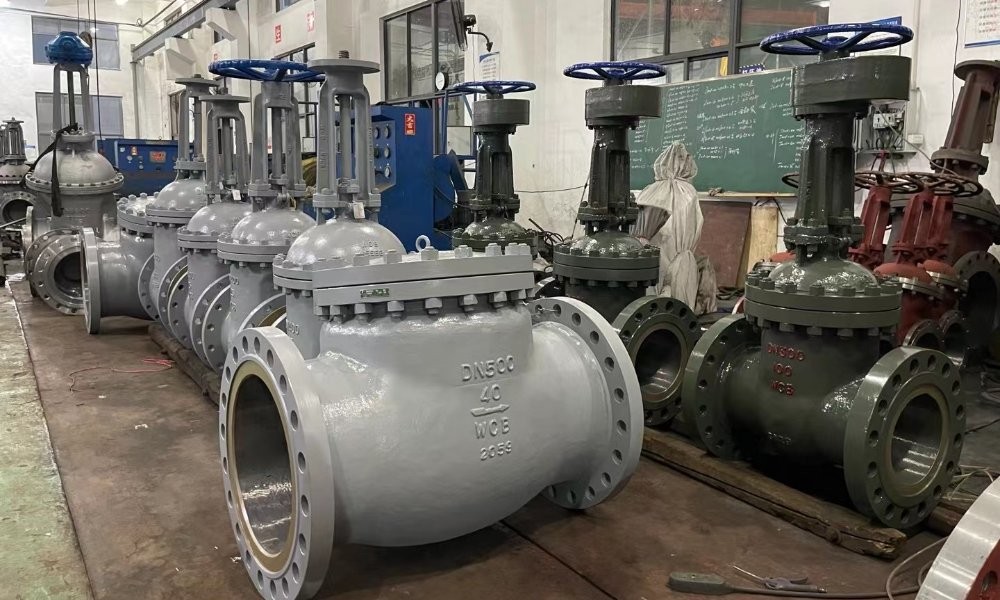
    Valves play a critical role in controlling the flow of liquids and gases in industrial piping systems across the UK. Selecting the right valve for high pressure applications is essential to ensure safety, efficiency, and long term reliability. With the wide variety of valve types, materials, and operating conditions, choosing the appropriate solution requires a clear understanding of system requirements and performance characteristics.

    Understanding High Pressure Valves

    High pressure valves are designed to withstand significant internal pressure while controlling flow or isolating sections of a system. Common types include:

    • Gate Valves: Ideal for full open or shut-off applications, offering minimal flow resistance.
    • Globe Valves: Suitable for throttling and flow regulation in high pressure systems.
    • Ball Valves: Provide tight shut off and quick operation, even under high pressure.
    • Check Valves: Prevent backflow, protecting pumps and other equipment.
    • Butterfly Valves: Compact option for larger diameters, offering moderate throttling capabilities.

    Each type serves different purposes, and selecting the right one depends on system design, flow requirements, and operating conditions.

    Key Factors to Consider

    1. Pressure Rating

    Check the valve’s maximum pressure rating, usually expressed in bar or PSI. Ensure it exceeds the system’s operating pressure to maintain safety margins.

    2. Material Compatibility

    Valve materials must be compatible with the fluid and environmental conditions. Common materials include stainless steel, brass, and high-performance alloys, chosen based on corrosion resistance and temperature tolerance.

    3. Flow Requirements

    Consider the required flow rate and whether the valve needs to allow throttling or full flow operation. Flow coefficients (Cv) provide guidance on sizing valves for efficient operation.

    4. Operation Method

    Valves can be manual, electric, or pneumatic. The choice depends on accessibility, automation requirements, and operational efficiency.

    5. Maintenance and Reliability

    High pressure valves may require periodic inspection, lubrication, or part replacement. Selecting valves with accessible designs and reliable seals reduces downtime and maintenance costs.

    Applications in UK Industry

    High pressure valves are used in a wide range of sectors:

    • Oil and Gas: Controlling pipelines and managing high pressure processing systems.
    • Chemical Manufacturing: Handling aggressive fluids at elevated pressures.
    • Power Generation: Steam and water flow management in boilers and turbines.
    • Water Treatment: High pressure pumping and distribution systems.
    • Industrial Processing: Food, pharmaceutical, and material handling requiring precise flow control.

    Proper valve selection ensures safe, efficient and long lasting performance in these demanding environments.

    Frequently Asked Questions

    Can a valve rated for a lower pressure be used safely in a high pressure system?

    No. Using a valve below the system’s operating pressure can cause failure, leaks, or catastrophic damage. Always check the pressure rating.

    How do I know which valve type to choose for flow regulation?

    Globe and butterfly valves are typically used for throttling applications, while gate or ball valves are better for on/off control.

    Do high pressure valves require special installation techniques?

    Yes. Correct alignment, torque, and sealing are critical for maintaining performance and preventing leaks.

    How often should high pressure valves be inspected?

    Inspection frequency depends on usage and fluid type, but routine checks are recommended to ensure long-term reliability.

    Final Thoughts

    Selecting the right valve for high pressure industrial applications is a crucial step in maintaining system efficiency, safety, and longevity. By considering pressure rating, material compatibility, flow requirements, and maintenance needs, engineers and facility managers can ensure that valves perform reliably under demanding conditions.

    Proper specification, installation, and inspection of high-pressure valves safeguard both equipment and personnel.


  • Track Your Investments with Portfolio Management – Kavan Choksi

    Track Your Investments with Portfolio Management – Kavan Choksi

    Investing is only half the equation in building long-term wealth. The other half lies in understanding what you own, how it is performing, and whether it still aligns with your goals. Without structure and oversight, even a well-built investment strategy can drift off course. This is where portfolio management becomes essential. Tracking your investments with portfolio management tools and principles ensures that your financial decisions remain intentional, balanced, and responsive to change. Here is what people like Kavan Choksi think.

    Portfolio management refers to the process of selecting, monitoring, and adjusting a collection of investments to meet specific financial objectives. Rather than viewing each asset in isolation, portfolio management treats your holdings as interconnected parts of a broader strategy. Stocks, bonds, funds, property, and alternative assets each contribute differently to risk and return. The goal is not just growth, but controlled and sustainable progress.

    The first step in effective portfolio management is clarity of purpose. Investors must define what they are working toward. Retirement planning, wealth preservation, income generation, education funding, or capital appreciation all require different approaches. A clearly defined objective guides asset allocation decisions – the percentage of your portfolio dedicated to various asset classes.

    Asset allocation is often described as the most important factor influencing long-term returns. A portfolio heavily weighted toward equities may offer higher growth potential but greater volatility. A bond-focused portfolio may provide stability but lower overall returns. Balancing these elements according to risk tolerance and time horizon helps smooth performance over time.

    Tracking performance consistently allows investors to understand whether their portfolio is meeting expectations. Modern portfolio management platforms provide real-time visibility into asset value, historical performance, dividend income, and capital gains. These tools consolidate information across multiple accounts, offering a clear snapshot of total wealth rather than fragmented views.

    However, tracking goes beyond observing numbers rise or fall. It involves analysing performance relative to benchmarks. Comparing returns to relevant market indices provides context. If a portfolio underperforms its benchmark significantly, it may signal inefficiencies, excessive fees, or an imbalance in asset selection.

    Risk management is another critical dimension. Market fluctuations are inevitable, but unmanaged risk can derail long-term plans. Diversification – spreading investments across sectors, industries, and geographic regions – reduces the impact of downturns in any single area. Portfolio management helps maintain this diversification over time.

    Rebalancing is a core discipline within portfolio management. As markets move, asset weights naturally shift. For example, strong equity performance may increase the proportion of stocks within a portfolio beyond the intended allocation. Rebalancing involves selling overweight assets and reinvesting in underweight areas to restore strategic balance. This systematic approach prevents emotional decision-making and keeps risk levels aligned with goals.

    Costs and fees should also be tracked carefully. Investment expenses, including fund management fees and trading commissions, directly reduce net returns. Over decades, even small differences in cost structures can significantly affect portfolio outcomes. Portfolio management tools often highlight expense ratios and transaction history, enabling more informed decisions.

    Tax efficiency plays a substantial role in investment growth. Capital gains taxes, dividend taxation, and income taxes can erode returns if not managed strategically. Portfolio management allows investors to monitor realised gains and losses, potentially using tax-loss harvesting strategies to offset liabilities. Understanding tax implications ensures that gross returns translate more effectively into net gains.

    Technology has transformed portfolio tracking. Digital dashboards, mobile apps, and automated alerts provide instant updates on market movements and portfolio changes. Many platforms offer visual charts, allocation breakdowns, and performance analytics that simplify complex data. Automated portfolio management services, often called robo-advisors, use algorithms to allocate assets and rebalance portfolios based on predefined parameters.

    Despite technological advances, human judgment remains valuable. Market conditions evolve, personal circumstances change, and financial goals may shift over time. Regular portfolio reviews – quarterly or annually – ensure alignment with life changes such as career moves, inheritance, marriage, or retirement planning.

    Emotional discipline is a hidden but powerful component of portfolio management. Investors may feel tempted to chase rising markets or panic during downturns. A structured tracking system reinforces objectivity. Seeing performance data within a long-term context reduces impulsive reactions driven by short-term volatility.

    Income tracking is equally important for investors seeking cash flow. Dividend payments, bond interest, and rental income contribute to overall portfolio performance. Monitoring these income streams helps assess whether the portfolio supports lifestyle needs or reinvestment strategies.

    Liquidity considerations should not be overlooked. Some investments, such as property or private equity, may be less liquid than publicly traded securities. Portfolio management helps balance liquid and illiquid assets, ensuring access to funds when needed without disrupting long-term holdings.

    Transparency fosters confidence. When investors understand where their money is allocated and how it performs, financial decisions feel deliberate rather than uncertain. Clear tracking replaces guesswork with measurable insight.

    Markets will continue to fluctuate, industries will evolve, and economic cycles will shift. Investors who actively monitor and manage their portfolios are better positioned to adapt. Tracking investments through structured portfolio management is not about constant trading or reacting to every headline. It is about maintaining alignment between strategy and reality.

    Long-term financial success depends on consistency, discipline, and awareness. Portfolio management provides the framework for all three. By regularly reviewing allocations, measuring performance, controlling costs, and adjusting thoughtfully, investors transform scattered holdings into a cohesive strategy. In doing so, they move from passive ownership to intentional wealth building – with clarity guiding each step forward.

  • Real-Time Routing Intelligence: How Cloud Coordination Prevents Midair Conflicts in Dense Markets and Sonoran Desert Institute Cost

    Real-Time Routing Intelligence: How Cloud Coordination Prevents Midair Conflicts in Dense Markets and Sonoran Desert Institute Cost

    Evaluating Sonoran Desert Institute cost is often one consideration for students exploring careers in modern drone operations and aviation systems management. As aircraft density increases in urban and suburban markets, routing decisions must occur faster than human reaction alone can support. Sonoran Desert Institute (SDI), accredited by the Distance Education Accrediting Commission (DEAC), has observed how real-time routing intelligence now serves as a core layer of low-altitude commerce rather than a supporting feature. This capability is essential for preventing conflicts before they develop, especially as multiple operators share the same corridors.

    Real-time routing intelligence builds on uncrewed traffic management systems by moving from static planning to dynamic adjustment. Instead of relying solely on pre-filed routes, aircraft respond to live data streams that reflect actual conditions. This shift allows fleets to operate safely in crowded environments where delay or rigidity would otherwise increase risk.

    Alerting Logic Identifies Risk Early

    As routing intelligence becomes essential in dense airspace, education decisions increasingly reflect these operational priorities. Learners preparing for roles in drone operations, coordination, and analytics often evaluate Sonoran Desert cost as part of their planning, comparing tuition and fees with programs that emphasize cloud systems, live decision support, and traffic coordination.

    At the same time, the question of whether Sonoran Desert Institute is worth it typically centers on readiness for real-time operational environments rather than manual control alone. In markets where conflict prevention depends on predictive routing and shared intelligence, value is measured by how well training prepares individuals to interpret alerts, manage coordination systems, and support safe, scalable operations across multiple fleets.

    Automated Recommendations Guide Separation

    When a potential conflict appears, cloud systems recommend specific actions such as altitude changes, lateral shifts, or brief holds. The recommendations take into account aircraft authority levels and operational constraints. This logic reduces ambiguity so that responses remain consistent across fleets.

    Human Oversight Remains Part of the Loop

    Automation does not remove human responsibility. Control rooms receive alerts and approve or modify routing decisions when needed. The human-in-the-loop oversight supports accountability. Operators retain authority while benefiting from machine-speed analysis.

    Integration with Onboard Systems Matters

    Cloud intelligence complements onboard detect-and-avoid sensors by managing broader traffic flow beyond immediate obstacles. While onboard systems respond to local hazards in real time, cloud coordination addresses conflicts across wider airspace and longer time horizons. Together, these layers reduce the risk that isolated events escalate into broader disruptions.

    This separation of responsibilities allows each layer to operate at optimal speed and scope. Onboard systems react within seconds to local hazards, while cloud services analyze patterns across fleets and airspace corridors. By synchronizing fast, localized responses with strategic coordination, operators reduce the likelihood that isolated events cascade into wider disruptions.

    Weather And Routing Intersect in Real Time

    Routing intelligence integrates live weather data. Wind shifts, changes in visibility, and precipitation can affect safe paths. The systems automatically reroute aircraft when conditions exceed defined limits. This integration prevents weather-related conflicts from compounding traffic congestion.

    Adaptive routing also supports service continuity during variable conditions. By adjusting paths in real time rather than grounding aircraft preemptively, operators maintain throughput while staying within safety thresholds. This responsiveness reduces cascading delays and keeps weather impacts contained locally rather than allowing disruptions to spread across the wider network.

    Data Accuracy Determines Effectiveness

    Routing intelligence depends on accurate telemetry and intent reporting. In dense environments, even small errors can propagate quickly across shared airspace. Investment in data validation and integrity checks reduces this risk by improving input reliability. Effective routing depends on trustworthy data from all participating operators.

    Economic Value of Conflict Prevention

    Preventing conflicts protects more than safety. Midair avoidance maneuvers consume energy, delay deliveries, and disrupt schedules, thereby compromising conflict prevention and cost control. Smooth routing preserves battery life, protects the availability of metrics, and supports predictable service.

    Workforce Roles Evolve with Routing Intelligence

    Real-time routing creates roles focused on monitoring, analysis, and coordination rather than manual piloting. Education pathways increasingly emphasize cloud-based systems, analytics, and operational decision-making that support these responsibilities. Training aligned with these demands prepares individuals to work in environments where routing intelligence and coordination define daily operations.

    Training Emphasizes Systems Thinking

    Operators train staff to interpret alerts, understand routing logic, and respond appropriately as systems thinking replaces point control. Documentation and simulation support this training by allowing teams to practice responses before live deployment, reinforcing consistent decision-making under real-world conditions.

    Trust Grows from Invisible Prevention

    Residents rarely notice routing intelligence at work. They experience its effect through quiet, predictable operations. The prevention builds trust. Fewer incidents and disruptions support community acceptance in dense markets.

    Scaling Relies on Shared Intelligence

    As markets grow, individual operators cannot manage conflicts alone. Shared cloud coordination aligns multiple fleets. Intelligence is a necessary infrastructure. Scale depends on cooperation rather than isolation.

    Common data standards and interoperability make this cooperation possible in practice. When platforms exchange intent, position, and status information seamlessly, coordination extends beyond organizational boundaries. This shared foundation enables efficient growth of airspace activity while preserving safety, predictability, and equitable access for all participants.

    Career Value Tied to Routing Expertise

    Understanding routing intelligence increases professional relevance. As airspace density rises, roles tied to analytics, coordination, and real-time oversight carry greater responsibility and influence.

    For learners considering training options, Sonoran Desert Institute’s cost often comes up in relation to preparation for operations built around real-time decision support rather than manual control. Programs that emphasize systems thinking, regulatory awareness, and applied troubleshooting reflect how modern drone operations function in practice, where adaptability and operational judgment matter more than narrow task execution.

    Why Cloud Coordination Defines Dense Markets

    In dense airspace, prevention carries more weight than reaction. Real-time routing intelligence allows risks to be identified and addressed before conflicts develop, shifting safety management upstream. Cloud coordination supports this approach by aligning multiple fleets under shared visibility and common rules, enabling efficiency without sacrificing control as traffic volumes increase.

    As low-altitude commerce expands, routing intelligence replaces static planning with continuous awareness. Aircraft operate within a digitally managed environment where cloud systems and onboard autonomy work together to maintain separation, adapt to changing conditions, and preserve predictability. In crowded markets, reliable delivery depends less on individual flight decisions and more on the shared intelligence that keeps airspace orderly, scalable, and accountable.

  • PEO Kenya: A Strategic Framework for Compliant and Scalable Workforce Expansion

    PEO Kenya: A Strategic Framework for Compliant and Scalable Workforce Expansion

    As of early 2026, Kenya’s regulatory landscape has undergone significant transformation, particularly with the full implementation of the National Social Security Fund (NSSF) Year 4 contribution rates and the transition from NHIF to the Social Health Insurance Fund (SHIF).

    A PEO in Kenya is now a critical tool for organizations looking to navigate these high-frequency updates. This model allows businesses to hire talent in Kenya without the months-long process of local incorporation or the risk of misinterpreting new tax mandates.

    The PEO Advantage in 2026 Kenya

    In Kenya’s digital-first economy, the PEO acts as the legal employer of record. While the client organization retains direct supervision over work output, the PEO assumes all liability for statutory filings, which are now strictly monitored via the Kenya Revenue Authority (KRA) iTax and eCitizen portals.

    Key Drivers for PEO Adoption

    • Rapid Market Entry: Hire and onboard a team in 48 to 72 hours, bypassing the requirement to deposit share capital or register a local branch.
    • Automatic Statutory Updates: Ensure immediate compliance with the February 2026 NSSF rate hikes and the 2.75% SHIF deductions.
    • Risk Insulation: The PEO manages the Affordable Housing Levy and the complex “Right to Disconnect” policies currently being formalized in Kenyan labor relations.
    • Expatriate Management: Navigating the specialized Class D Work Permits and the mandatory security clearance processes.

    2026 Labor Landscape and Statutory Compliance

    Kenya’s employment environment is characterized by a “triple-levy” system (NSSF, SHIF, and Housing Levy) that requires precise monthly reconciliation.

    1. New NSSF Contribution Rates (Effective Feb 1, 2026)

    Kenya has reached the final phase of its multi-year NSSF scaling plan. Contributions are divided into Tier I and Tier II.

    Category

    Lower Limit (Tier I)

    Upper Limit (Tier II)

    Total Combined Max

    Earnings Band

    Up to KES 9,000

    KES 9,001 – KES 108,000

    KES 108,000

    Employer (6%)

    KES 540

    KES 5,940

    KES 6,480

    Employee (6%)

    KES 540

    KES 5,940

    KES 6,480

    2. Social Health Insurance Fund (SHIF)

    The old NHIF system has been fully replaced by the SHIF to support Universal Health Coverage.

    • Rate: 75% of gross monthly salary.
    • Floor: Minimum contribution of KES 300 per month.
    • Ceiling: Unlike the old NHIF, SHIF is generally calculated as a flat percentage of gross income with no upper cap.

    3. Affordable Housing Levy (AHL)

    A mandatory deduction introduced to fund the national housing agenda.

    • Rate: 5% of gross monthly salary for the employee.
    • Employer Match: 5% contribution by the employer.
    • Cap: There is no upper limit on this levy.

    2026 Personal Income Tax (PAYE) Brackets

    The KRA continues to utilize a progressive tax scale. For 2026, many organizations are preparing for proposed adjustments to the tax bands aimed at providing relief to low-income earners while increasing the burden on high earners.

    Monthly Taxable Income (KES)

    Tax Rate

    First 24,000

    10%

    Next 8,333

    25%

    Next 467,667

    30%

    Next 300,000

    32.5%

    Above 800,000

    35%

    • Personal Relief: Every resident employee is entitled to a personal tax relief of KES 2,400 per month.

    Key Employment Rights and Obligations

    • Working Hours: Standard 45 to 52 hours per week. Overtime is paid at 150% on normal days and 200% on weekends and public holidays.
    • Annual Leave: Minimum 21 working days of paid leave per year.
    • Parental Leave:
      • Maternity: 3 months (90 days) fully paid.
      • Paternity: 2 weeks (14 days) fully paid.
    • Termination: Requires “fair reason” and “fair procedure.” Notice periods vary from 1 to 3 months based on seniority. Severance pay is mandatory for redundancy at 15 days’ pay for every year of service.

    Strategic Support for Expatriates

    Kenya remains the preferred regional hub for multinational headquarters. A PEO simplifies the complex immigration requirements for international staff.

    • Class D Work Permit: Specifically for those offered employment by a specific employer (or PEO).
    • Special Pass: Temporary authorization for short-term projects (up to 6 months).
    • Skills Transfer: Employers must demonstrate a plan to train a Kenyan understudy to eventually take over the expatriate’s role.

    Conclusion

    Expanding into Kenya in 2026 requires an agile approach to the Year 4 NSSF implementation and the centralized SHIF health levy. Partnering with PEO Kenya services provides the stability, governance, and rapid deployment capabilities needed to thrive in East Africa’s largest economy without the burden of local entity management. By centralizing HR, payroll, and the increasingly complex immigration and tax filings, a PEO allows your organization to focus on growth while maintaining a perfect compliance record.

  • Pressure Cleaning with Low-Water Techniques for Sustainability

    Pressure Cleaning with Low-Water Techniques for Sustainability

    Outdoor surfaces slowly gather dirt and stains that affect safety and appearance over time. Many property owners now seek better ways to clean without wasting resources or causing damage. Using smart water control helps achieve strong results while supporting care for the surroundings. The pressure cleaning central coast services often focus on reducing water use while keeping surfaces clear and strong. This balanced approach helps protect structures and limits unnecessary runoff. 

    What Is Low Water Pressure Cleaning?

    Low water pressure cleaning uses controlled flow to remove dirt without heavy water use. It relies on focused force rather than volume, helping reduce waste while still achieving a clean surface.

    Why Does Water Use Matter?

    Excess water can cause surface wear and unwanted runoff. Limiting use helps protect nearby areas and supports better care practices that reduce strain on resources.

    Why Choose Low Water Cleaning?

    This approach supports better care while protecting surfaces and conserving resources through thoughtful practice.

    • Supports long-term surface health by avoiding damage caused by excess water use.
    • Helps reduce runoff that can affect nearby areas and drainage systems.
    • Improves cleaning efficiency while lowering overall water consumption.
    • Encourages responsible habits that support environmental care goals.
    • Delivers strong results without relying on heavy water output.

    How Does Equipment Choice Help?

    Using tools designed for lower flow improves efficiency. These tools provide steady output that supports thorough cleaning without relying on excess water.

    Why Does Timing Affect Results?

    Cleaning during mild conditions helps water evaporate faster. This reduces pooling and allows better results with less effort and lower water use.

    How Can Nearby Areas Stay Safe?

    Covering nearby spaces and guiding water away protects the surroundings. This step helps maintain clean borders and prevents residue buildup.

    Why Is Routine Care Important?

    Regular light cleaning avoids heavy buildup. This reduces the need for strong pressure later and supports a steady surface condition.

    How Do Savings Build Over Time?

    Lower water use reduces overall costs. Equipment also lasts longer when used carefully, helping reduce repair or replacement needs.

    What Errors Should Be Avoided?

    Using too much force or water causes damage. Skipping routine care often leads to heavier work later and higher resource use.

    How Can Water Use Be Reduced?

    Smart planning and steady control make water use more efficient during cleaning tasks.

    • Adjust pressure levels carefully to match surfaces while reducing waste and maintaining strong cleaning results.
    • Use narrow spray patterns to target dirt without spreading water across wide areas.
    • Perform regular upkeep to avoid heavy buildup that needs extra water later.
    • Select tools designed for efficient flow control and steady performance during cleaning.

    Sustainable cleaning relies on balance, care, and awareness. By using controlled pressure and thoughtful planning, surfaces stay clean without waste. This approach reduces damage, saves resources, and supports long-term upkeep. Choosing low-water techniques allows better results while protecting the surroundings and lowering effort over time. With steady habits and proper tools, maintenance becomes easier and more effective. The pressure cleaning central coast practices continue to show how mindful cleaning choices support durability, efficiency, and responsible water use for lasting results.

  • Understanding a Demat Account and Its Role in Digital Investing

    Understanding a Demat Account and Its Role in Digital Investing

    Publish on: 06 Jan 2026

    Introduction

    Modern investing relies on secure, electronic ownership of securities. A Demat Account is the digital foundation that makes this possible, enabling investors to hold shares and other instruments without physical certificates. As participation in the Stock Market grows, understanding how a demat account works and why it is essential helps investors manage portfolios efficiently and avoid operational risks.

    What Is a Demat Account?

    A demat (dematerialized) account is used to store securities in electronic form. When you buy shares or other eligible instruments, they are credited to your demat account; when you sell, they are debited. This electronic record replaces paper certificates, improving speed, accuracy, and security.

    At a practical level, a Demat Account functions like a vault for securities, while transactions are recorded and reconciled within regulated systems.

    Why a Demat Account Is Necessary Today

    Paper-based ownership created delays, errors, and risks. Dematerialization solved these problems and enabled scalable market operations.

    Key reasons a demat account is essential:

    • Faster settlements and confirmations
    • Lower risk of loss, damage, or forgery
    • Seamless transfers and pledging
    • Centralized portfolio visibility

    These benefits support efficient participation in the Stock Market for both long-term investors and occasional traders.

    How a Demat Account Works

    When an investor places a buy order and it is executed, the purchased securities move electronically from the seller’s demat holding to the buyer’s demat account. On a sale, the process reverses.

    Behind the scenes, clearing and settlement systems ensure obligations are met and ownership changes are recorded accurately. This automation reduces counterparty risk and improves transparency.

    What Can You Hold in a Demat Account?

    A demat account is not limited to equity shares. It can hold multiple security types, allowing consolidated portfolio management.

    Common holdings include:

    • Equity shares
    • Mutual Fund units
    • Bonds and debentures
    • Exchange-traded instruments

    Having everything in one place simplifies tracking, reporting, and periodic review.

    Opening a Demat Account: What to Know

    To Open Demat Account, investors typically complete identity verification and link a trading interface for execution. While the process is digital and streamlined, choosing the right configuration matters.

    Considerations before opening include:

    • Intended usage (long-term investing vs. active trading)
    • Cost structure and service features
    • Reporting and portfolio visibility

    A thoughtful setup ensures the account supports your strategy rather than constrains it.

    Online Demat Account and Ease of Access

    An Online Demat Account enables paperless onboarding, faster activation, and real-time access to holdings. Digital access reduces administrative effort and improves visibility across market cycles.

    While convenience is a benefit, disciplined usage-periodic reviews instead of constant monitoring-helps maintain a long-term perspective.

    Demat Account and Long-Term Investing

    For long-term investors, a demat account provides stability and automation. Corporate actions such as dividends, splits, and bonuses are processed electronically, reducing manual follow-ups.

    Holding securities over years becomes straightforward when supported by a Demat Account, allowing investors to focus on goals and allocation rather than paperwork.

    Demat Account and Trading Activity

    Active participants benefit from quick settlements and real-time position updates. Efficient debits and credits improve capital planning and execution.

    Even if trading frequency is low, understanding how the demat account reflects positions helps avoid surprises related to settlement timelines.

    Security, Compliance, and Best Practices

    Demat systems operate under strict regulatory oversight with electronic audit trails. Still, users should follow best practices:

    • Use strong authentication
    • Review statements periodically
    • Monitor alerts and confirmations

    Shared responsibility between system controls and user awareness enhances overall security.

    Common Misconceptions

    Some believe a demat account generates returns on its own. It does not; it only holds securities. Returns depend on market performance and decisions.

    Another misconception is that demat accounts are only for frequent traders. In reality, they are equally vital for passive, long-term investors.

    Demat Account vs. Physical Certificates

    Compared with physical holdings, demat accounts offer:

    • Speed and reliability
    • Lower operational risk
    • Easier compliance and reporting
    • Better portfolio oversight

    These advantages explain why dematerialization is the global standard.

    Integrating a Demat Account Into Your Plan

    A Demat Account should fit within a broader plan that defines goals, timelines, and risk tolerance. When aligned with strategy, it becomes an enabler of consistency rather than a source of distraction.

    Conclusion

    A Demat Account is the cornerstone of digital investing, enabling secure, efficient ownership across the Stock Market. Whether you Open Demat Account for long-term wealth building or occasional transactions, understanding its role helps you manage holdings with clarity and confidence. Used thoughtfully, a demat account supports disciplined participation across market cycles.

    FAQs

    Is a demat account mandatory for stock investing?
    Yes. Securities are held electronically through dematerialization.

    Can long-term investors use a demat account without trading often?
    Yes. It is ideal for holding investments over time.

    Does a demat account reduce market risk?
    It reduces operational risk, not market risk.

    Can multiple securities be held in one demat account?
    Yes. A single account can hold various eligible instruments.

  • Key Tips for Choosing Partition Systems in Canada

    Key Tips for Choosing Partition Systems in Canada

    I’ve spent years around commercial interiors, working with planners, facility managers, and builders who all want the same thing.

    Spaces that look sharp.
    Spaces that work.
    Spaces that still make sense five or ten years later.

    I don’t recommend products lightly. I look at how systems hold up, how flexible they are, and how much trouble they cause after install. I also look at who is behind the product and whether they have the depth to support complex projects.

    In this guide, I’ll walk you through how I evaluate partition solutions, what actually matters in real buildings, and why Partition Systems consistently stands out when you compare options side by side.

    You’ll see the process I use, the tradeoffs to watch for, and the specific systems that tend to perform best over time.

    What I Look for Before Recommending Any Partition System

    Before I ever point someone in a direction, I run through the same checklist.

    Not theory.
    Not marketing.
    Real-world use.

    Here’s the baseline.

    • Durability in high use environments
    • Flexibility for future layout changes
    • Clean design that does not date fast
    • Sound control where it actually matters
    • A manufacturer that can support custom needs

    If a supplier falls short in any of these areas, problems show up later. Usually when it is expensive to fix them.

    Where Glass, Bathroom, and Toilet Partitions Fit In

    Most projects I see involve a mix of open areas and private zones. That is where smart partition choices matter.

    For offices and administrative areas, glass partitions are often the right call. They keep light moving through the space while still defining offices, meeting rooms, and quiet zones. When done right, they feel intentional instead of boxed in.

    In washrooms and locker areas, performance matters more than looks, but both still count. A solid bathroom partition system needs to handle moisture, cleaning chemicals, and constant use without warping or loosening over time.

    For high traffic facilities like plants, schools, and public buildings, toilet partitions need to be tough, secure, and easy to maintain. Weak hardware and thin materials show their flaws fast.

    Step by Step: How I Evaluate a Partition Provider

    This is the same process I recommend you use.

    Step 1: Look at Manufacturing, Not Just Installation

    A lot of suppliers install systems made elsewhere. That limits quality control.

    Partition Systems designs and manufactures their wall systems in Canada. That matters. It gives them control over materials, tolerances, and long term consistency.

    If something needs to change or scale, they are not waiting on overseas production cycles.

    Step 2: Check How Systems Adapt Over Time

    Layouts change. Teams grow. Operations shift.

    Partition Systems focuses on modular and demountable wall systems that can be reconfigured instead of torn out. That includes aluminum framed glass walls, unitized systems, and movable partitions.

    This saves cost later and keeps downtime low.

    Step 3: Evaluate Use Cases, Not Brochures

    I look at where systems are actually used.

    • Corporate offices
    • Manufacturing facilities
    • Modular camps and site trailers
    • Institutional environments

    Partition Systems has decades of experience across all of these. That range matters because it shows their products work outside controlled office settings.

    Why Partition Systems Stands Out in Practice

    Here’s what separates them from many alternatives.

    Strong Balance of Design and Performance

    Their architectural wall systems manage aesthetics, acoustics, and flexibility without forcing tradeoffs. Glass options provide clean sightlines. Solid walls offer privacy and sound control where needed.

    You are not stuck choosing between form and function.

    Modular Construction That Holds Up

    Their modular solutions are designed for demanding conditions. Single and double sided movable partitions allow spaces to change while staying organized and professional.

    This is especially valuable in modular offices and camps where layouts evolve fast.

    Specialty Products Under One Roof

    Partition Systems also supplies washroom systems, folding walls, visual boards, ceiling systems, and protective trims.

    That reduces coordination headaches and keeps finishes consistent across the project.

    Materials, Finishes, and Hardware That Matter

    I pay close attention here because this is where cheap systems fail.

    Partition Systems offers durable finishes like aluminum and wood veneer that maintain their look under daily use. Hardware is selected for strength and smooth operation, not cost cutting.

    PVC trims, edges, and moldings are engineered for impact and moisture resistance. These small details prevent damage that spreads over time.

    Sustainability Without Compromising Performance

    Environmental responsibility is built into how they manufacture.

    • Recyclable materials
    • Reduced waste
    • Energy efficient facilities
    • Minimal packaging

    These practices support sustainable projects without sacrificing durability or performance.

    How You Can Choose the Right Setup for Your Space

    If you are evaluating options now, here’s how I suggest moving forward.

    1. Map how your space is used today.
    2. Identify which areas need flexibility later.
    3. Decide where visibility helps and where privacy is required.
    4. Choose systems that can be reconfigured instead of replaced.
    5. Work with a manufacturer that has depth, not just installers.

    Partition Systems fits this approach well because they offer architectural walls, modular construction, and specialty interior products built for long term use.

    Final Thoughts Before You Decide

    Choosing partition systems is not about chasing trends. It is about selecting solutions that support how your organization works now and how it will work later.

    From what I see across projects, Partition Systems earns its reputation through consistent quality, Canadian manufacturing, and systems designed to adapt without constant replacement.

    If you value durability, flexibility, and clean design that holds up over time, they are worth serious consideration.

  • HR Coil Sheets in Sustainable Architecture: Building Stronger & Greener

    HR Coil Sheets in Sustainable Architecture: Building Stronger & Greener

    Think of a building that breathes, saves energy, and still feels solid underfoot. HR coil sheets make that possible. The appeal is simple. Rolled steel offers real strength with tidy detailing, smooth logistics, and a clear route to recycling. With Hot Rolled coils from credible Indian mills, architects and contractors cut waste, shorten schedules, and prove the carbon story with confidence. It is a smart, premium choice for teams that want sustainability to work in practice, not only on paper. Read on to know more. 

    Why HR Coil Sheets Suit Green Design

    Hot-rolled steel is built for straight, honest performance. When selection and inspection are handled with care, it supports sustainability targets from concept to handover.

    • Material efficiency: High strength-to-weight allows slimmer members and fewer pieces, which reduces raw material use and transport.
    • Lifecycle value: Durable sections extend service life, limit replacements, and moderate whole life carbon.
    • Recyclability: Rolled steel can be recycled again and again while retaining mechanical properties.
    • Process control: Modern mills deliver tight tolerances for thickness, width, and flatness, which cuts rework and waste.

    Human Oversight That Lifts Quality

    Digital systems help, yet human judgment makes the difference between acceptable and exemplary. Treat oversight as an asset.

    • Verify documents: Ask for mill test certificates and heat numbers for every coil. Confirm chemistry and mechanicals against the project specification.
    • Choose transparency: Prefer suppliers offering Environmental Product Declarations and audited recycled content.
    • Inspect on arrival: Check edge quality, flatness, surface scale, and any moisture marks before cutting.
    • Close the loop: Record and recycle offcuts by weight to support certification submissions and client ESG reporting.

    Design Choices That But Embodied Carbon

    Small, precise decisions add up to measurable reductions.

    • Design for reuse: Prioritise bolted connections and demountable frames to enable future relocation or reconfiguration.
    • Optimise thickness: Match coil thickness to actual load paths and serviceability limits, not blanket rules of thumb.
    • Select finishes wisely: Use primers, metallised coatings, or weathering grades based on exposure to extend maintenance intervals.
    • Plan logistics: Coordinate release schedules with fabricators to avoid partial loads and idle time on site.

    India’s Supply Confidence

    Sustainable architecture relies on dependable partners. Hot-rolled coil manufacturers in India have advanced in energy management, water recovery, and rail-first logistics. The outcome is steadier product quality, shorter lead times, and clearer disclosures that simplify submittals and audit trails. For project teams, that means fewer procurement surprises and easier verification of sustainability claims.

    What to Ask Your Supplier Before You Order

    Build these checks into your process, and you will feel the difference in delivery.

    • Which grade and standard are offered, and why are they suitable for the intended use
    • Guaranteed coil width, thickness, and tolerances
    • Availability of an EPD and a recycled content statement
    • Traceability from melt to coil to part
    • Packaging and moisture control practices during transit and site storage

    Conclusion

    HR coil sheets give sustainable architecture a practical backbone. Measurable strength, consistent quality, and fundamental circularity meet the brief for resilient, low-carbon buildings. Pair the right Hot Rolled coils with disciplined human oversight, and you secure a structure that stands taller, lasts longer, and proves its environmental claims with calm confidence. For teams seeking reliable outcomes from concept to closeout, rolled steel remains the straightest line to stronger and greener results, and hr coil selection is where that line begins.

  • How a Fire Sleeve for Hoses Can Prevent Catastrophic Failure

    How a Fire Sleeve for Hoses Can Prevent Catastrophic Failure

    Buying a fire sleeve for hose protection is a worthy investment. It offers you long-term protection of hose applications within high-intensity and dangerous environments. It’s a smart choice to make to ensure the long-term durability of your hose system and the highest standard of performance of the equipment that you have installed. Where damage to a hose can cause catastrophic failure, leading to the destruction of hoses, cables, and critical components, causing expensive repairs and lengthy downtime, a fire sleeve for hose protection mitigates against that outcome.

    Fire Sleeves Against Heat, Flame & Abrasion

    Fire sleeves help to protect equipment in industrial environments. This includes hoses, cables, and components that are exposed to extreme temperatures, flames, abrasions, and chemicals. Without protection, these components can suffer damage through fast deterioration. This can lead to failure of equipment, repairs that cause unneeded downtime and the associated costs, and in the worst cases, catastrophic incidents such as fires and explosions.

    Extend Equipment Lifespan with Fire Sleeve Barriers

    Fire sleeves provide a secure barrier between the hoses and any high-heat or flames that are found on the exterior of the hose application system. This helps to significantly reduce the risk of the high heat or flames causing damage to critical components. This helps to extend the lifespan of applications, reducing the need for regular maintenance and replacements, and therefore lowering company costs. Ensuring that maintenance and repairs are at a minimum lowers ongoing costs due to fewer instances of natural wear and tear due to abrasive conditions.

    Protection with Fire Sleeve Hose Seals

    Minimising downtime is crucial in any business and any working environment. In industrial operations, the fewer times you can stop to repair an application or to maintain it, the better for the bottom line of the company. Equipment downtime is one of the most expensive things that an industrial workplace can face. Unscheduled downtime due to the catastrophic failure of hose systems, cables, or components is difficult to manage. This is why it is so important to be proactive in utilising fire sleeve hoses and mitigating these problems in advance. It creates a tight seal around the hoses that protects them from extreme heat, abrasion, and chemicals, leading to fewer instances of downtime and greater efficiency in industrial operations.

    Fire Sleeves for High-Heat Industrial Applications

    Fire sleeve hose protectors are designed to be able to withstand the most extreme temperatures and environments. This helps prevent catastrophic failure in industrial operations such as the mining sector, aerospace and the automotive industry, oil and gas, and industrial manufacturing applications, amongst others.

    Fire Sleeves Ensure Cost Savings and Reliable Performance

    Protection in the form of a fire sleeve for hose applications is a sound investment that is more than worthy of any upfront cost, across a range of heavy industries and applications that face extreme temperatures and challenging environments. Businesses that need to protect hoses, cables, and critical components with fire sleeves should choose it as an effective way to reduce long-term costs, improve the reliability of performance, and ensure a much safer working environment for all involved. A fire sleeve for hose protection ensures long-term cost savings for a business and gives peace of mind that applications are safe from damage due to extreme heat and other challenging factors.

  • How do you replace a lost or stolen gift card?

    Stolen or lost gift cards are particularly frustrating if there is still value on the card. Many people assume lost gift cards are gone forever, like cash. The replacement process depends on the card type and issuer policies. Cards from providers amexxgiftcards and similar services may have different replacement procedures based on whether cards were registered and what documentation holders can provide about original purchases.

    Registration protects investment

    Registering gift cards after buying or getting them helps create proper records. This process asks for the card number, PIN code and some personal details entered on the issuer’s site or app. The stored details help confirm ownership if the card is lost or stolen later. Unregistered cards have no ownership records, making replacement nearly impossible since issuers cannot verify who legitimately owned them. Some gift cards come pre-registered when purchased directly from retailers, while others require manual registration by recipients. Checking whether registration happened prevents assuming protection exists when it doesn’t. The few minutes spent registering cards after receiving them potentially save hundreds of dollars if the cards disappear later.

    Proof of purchase matters

    Replacement cards cannot be issued without original purchase receipts. A receipt shows the card number, purchase date, amount, and payment method. This documentation proves legitimate ownership when issuers investigate replacement claims. Without receipts, issuers have difficulty distinguishing genuine owners from fraudsters attempting to claim cards they never owned. Digital purchase confirmations via email serve equally well as physical receipts for proving ownership. The same information can be found in electronic records as on paper receipts. Organising these emails in dedicated folders makes finding them easy. Photographing physical gift cards and receipts immediately after receiving them creates backup documentation accessible even if original cards and papers get lost together during theft or accidents.

    Contact the issuer’s customer

    Reporting lost or stolen cards immediately allows unauthorised users to drain balances before replacements can be issued. Most gift card issuers maintain customer service phone numbers and online contact forms specifically for handling lost card reports.

    1. Card numbers written down separately from physical cards allow reporting even when the cards themselves are completely missing without any visible information
    2. Purchase dates help issuers locate transactions in their systems when card numbers aren’t available and receipts are lost
    3. Approximate remaining balances assist verification since issuers can confirm whether claimed amounts match their records for specific cards
    4. Transaction history from recent purchases proves card usage patterns, helping issuers verify legitimate ownership through spending behaviours

    Cardholders and issuers alike are protected by these verification steps from fraud. They can also slow the replacement process for those who do not have full records of their original card details or purchase proof. Registration is required in advance for the replacement of a lost or stolen gift card. Proof of purchase should be kept in the form of a confirmation or receipt. Immediately notify the issuer’s customer service department about the loss. Some issuers may charge a replacement fee depending on the card rules. Preventing loss through safe storage and timely use of the card is always better. Some provide an easy method for replacement. Proactive registration and careful record-keeping give the best protection against complete loss when cards disappear.