
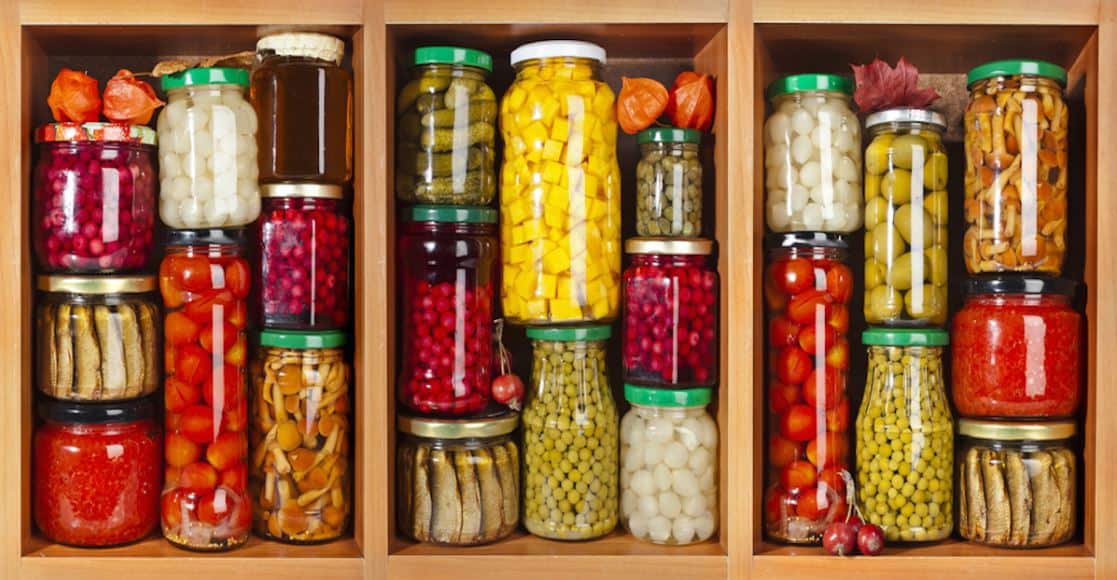
Storing home-canned food and mason jars can be a bit daunting for many, especially for those new to canning. After all, we’re used to shopping for just a week or two at a time, and the thought of storing a year’s worth of tomatoes or peaches can seem overwhelming. However, with some creative solutions, it’s possible to store home-canned goods in even the smallest of spaces.
Properly storing your canned food ensures that your hard work doesn’t go to waste. It also helps protect your investment in reusable canning supplies for the next canning season. The goal is to keep everything well-organized, easy to access, and in the best possible condition. Here are some tips and tricks to help you store your canned goods and supplies efficiently.
How I Store Home-Canned Food
I live in a small home with less than 1400 square feet and no dedicated pantry. Instead, I have to get creative with the available space. Some of my canned goods go in the kitchen cabinets, specifically on those top shelves that are harder to reach. However, not all the jars fit there. For the excess, I store canned food in my mudroom and even under some of the beds in our house.
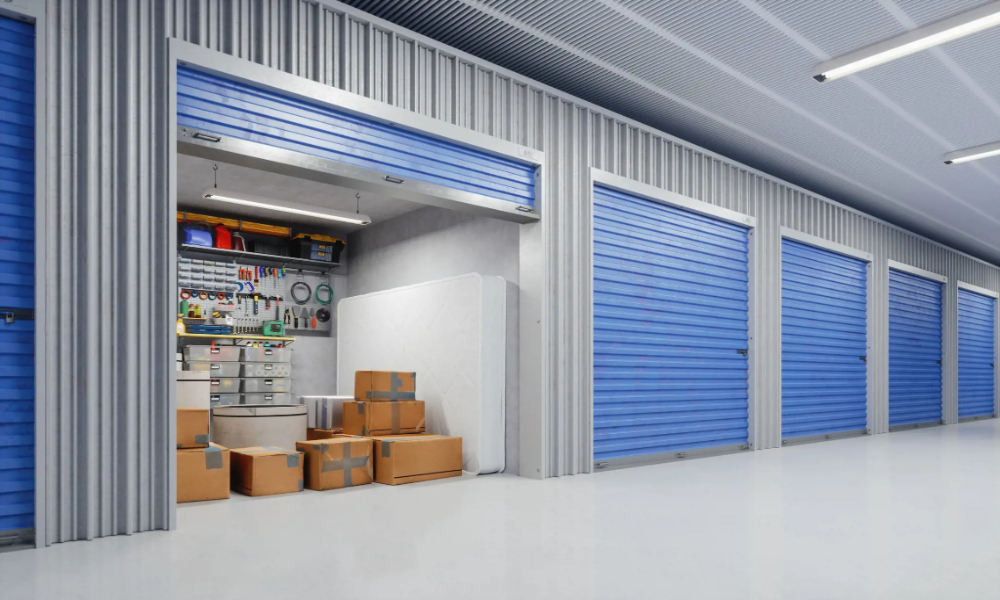
A few years ago, after our third son moved out, I was able to carve out space in the back room for a dedicated canning storage area. It’s been a luxury to have a specific place for all my finished jars and canning supplies. Prior to that, for over 20 years, I was relegated to finding space wherever I could in the house. If you cant find space in the home consider renting a storage unit like Miles of storage for extra space.
A key strategy for me is keeping track of where I store what. To help with this, I use simple worksheets to monitor my canned goods and their locations. If you’re interested, you can get access to the worksheets and a food preservation cheat sheet by signing up for our newsletter.
Tips for Storing Canned Food
Here are some practical tips for storing your home-canned goods:
- Remove Bands and Check Seals
It’s essential to store your home-canned food without the metal bands. Keeping the bands on can make it difficult to check the seal, and if the seal breaks during storage, there’s a chance that the band could cause the jar to reseal, which can be problematic. Additionally, moisture trapped under the band during the canning process can corrode it over time. Be sure to remove the bands before storage. - Wash the Jars
After canning, jars can get a bit messy from food siphoning out or from hard water deposits. Be sure to clean off any residue with a damp cloth and some white vinegar. A quick wipe-down is usually enough to restore the jars to their clean state before you store them. - Label and Date Everything
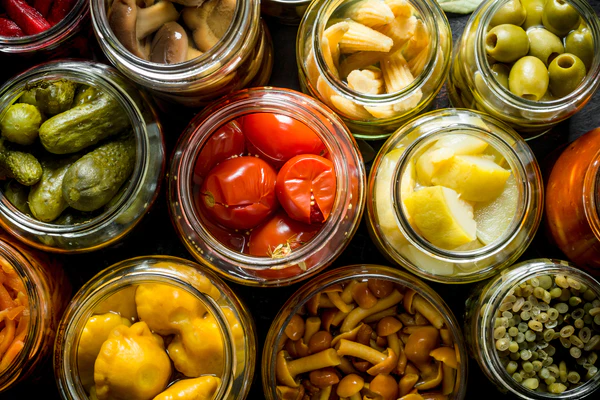
It’s crucial to label your jars, especially when they contain similar-looking foods, like blueberry and dewberry jam. You can simply write on the lid using a Sharpie if you’re using metal lids. For reusable canning lids, use masking tape, or get creative with custom labels. Don’t forget to date your jars. Even though you may think you’ll remember when you canned something, it’s much easier to keep track of when you canned it by labeling each jar. This helps with rotating the jars using the “first in, first out” method. - Store in a Cool, Dark Place
Canned goods should be stored in an area that remains under 95°F and away from direct sunlight. The ideal temperature range is 50°F-70°F, but if your home is slightly warmer, like ours at 78°F during the summer, it should still be fine. Storage options could include cabinets, closets, or even under the bed. The key is to ensure the area is cool, dry, and dark, so your food stays in good condition. - Avoid Humidity
Dampness can cause lids to corrode and compromise the seal on your jars. It’s important to store your canned food in a dry place. If you live in a humid environment, as I do, be especially cautious about where you store your jars. For example, bathrooms are not a good option for storing home-canned food due to the moisture. Some people use root cellars for storage, but it’s generally not recommended for long-term canning storage, as humidity levels can fluctuate. - Be Careful When Stacking Jars
Stacking jars can be convenient, but it’s risky because they could easily tumble and break their seals. If you need to stack jars, consider placing cardboard between them to add stability. Always ensure your shelves are sturdy enough to handle the weight of home-canned food, as jars can get heavy quickly. - Use Boxes for Storage
Don’t throw away the boxes your mason jars came in. These boxes are the perfect size for storing jars both when full and when empty. They help protect the jars from damage and are an easy way to organize them.
Storing Empty Jars
If you’re wondering where to store empty mason jars, the solution is simple: store them where they were when they were filled. I typically keep the filled jars at the front and empty ones at the back for easy access. If you’ve kept the original boxes, you can store the empty jars in them, stacking them in the pantry, attic, or wherever space is available. Just be sure to take note of where you’ve put them, especially if it’s in an unusual spot.
Before storing the jars, make sure they’re clean and dry. Check for any cracks or nicks, as these can make jars unsafe to use for canning. I prefer to store empty jars without the metal bands attached, especially since we live in a humid climate where bands could rust onto the jars.
Storing Canning Supplies
Canning supplies like bands, lids, and tools can be tricky to store. I keep my bands and lids organized in milk crates on shelves in our mudroom. One crate holds wide-mouth lids and bands, while another holds regular mouth ones. I also store new metal lids in their original boxes to avoid scratching, and I use old bands for regular canning, saving the new ones for gifts. A small drawer in the kitchen holds extra bands and lids for easy access when I need them.
How Long Does Home-Canned Food Last?
Home-canned food generally lasts 12-18 months if stored properly. However, the food’s quality may decline over time, and flavors can change, especially for items with high acidity like vinegar. To avoid this, I recommend canning only what you will use within the year. If you have leftovers, make sure to rotate your jars and use the older ones first.
In conclusion, storing home-canned food doesn’t have to be difficult, even in small spaces. With careful planning and organization, you can ensure your jars stay safe, fresh, and ready for use. So, whether you have a large pantry or limited storage, these tips will help you preserve your hard work and make your food storage more efficient.