

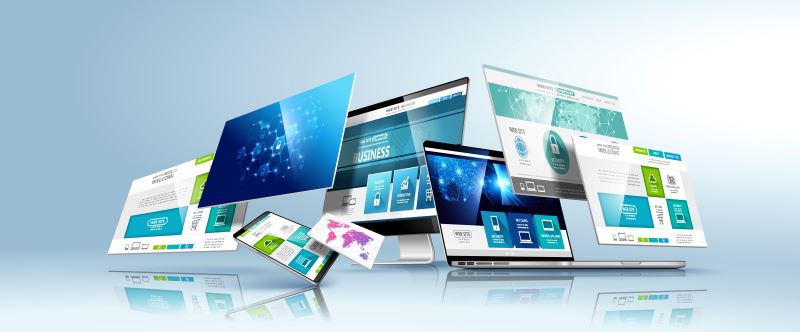
Where first impressions turn into real business growth
A website can lose a customer before a single word is read. That sounds dramatic, yet it happens every day. People scan, judge, and decide within seconds. Because of that, design is no longer a side task. It is the center of trust, credibility, and growth. As business owners and teams, we often focus on products, pricing, and promotions. However, the digital storefront speaks first. When it looks sharp, loads fast, and feels easy to use, confidence builds almost instantly. That confidence turns clicks into conversations.
Growth becomes easier when businesses are supported by a skilled web design company that understands both user behavior and clear structure. In this guide, we explore what truly makes a website perform, not just exist. We will break down how layout affects trust, why speed shapes search rankings, and what smart planning looks like before design even begins. More importantly, we will show how the right approach protects time, budget, and brand reputation.
By reading this, we gain clarity on what separates average websites from high-performing ones. We learn what to check, what questions to ask, and what standards to expect. The goal is simple. Make confident decisions. Build with purpose. Create a site that works as hard as the business behind it.
What makes a web design company worth hiring
Not all agencies are equal. Some focus on looks only. Others care about function. The best one’s balance both. When you review options, start with their past work. Do their sites load fast? Are they easy to read? Do they guide visitors to act?
Strong agencies think about user flow. They ask how people move through your pages. They plan clear buttons and clean layouts. They avoid clutter. They also test designs before launch. That saves time and stress later.
Look for these signs:
- Clear portfolio with real client results
- Mobile-friendly layouts
- Simple navigation
- Fast loading pages
- Ongoing support after launch
Communication matters too. If they explain ideas in simple terms, that is a good sign. If they confuse you with jargon, step back. A good team listens first. Then they build around your goals.
In short, value comes from strategy plus design. Not designed alone.
How smart design impacts traffic and sales
Design is not just about color. It shapes how people feel. When visitors trust your site, they stay longer. The longer they stay, the more they buy. That chain reaction matters.
For example, clear headings help readers scan fast. Short paragraphs keep attention. Strong calls to action guide clicks. As a result, bounce rates drop. Search engines notice that behavior. Therefore, rankings improve over time.
Speed plays a huge role as well. If a page takes more than three seconds to load, many users leave. That hurts sales. It also hurts SEO. Good designers optimize images and code. They reduce clutter. They test performance before launch.
Here is what good design improves:
- Conversion rates
- User trust
- Search rankings
- Brand image
- Repeat visits
Design is a one-time task. It is not. Trends change. User habits shift. Regular updates keep your brand fresh. When businesses treat design as growth fuel, they see steady results.
Why strategy must come before visual design
Many people jump straight into colors and logos. That feels exciting. However, without a plan, even beautiful sites fail.
Strategy answers key questions. Who is your target audience? What problem do you solve? What action should visitors take? Once these answers are clear, design becomes easier.
Strong planning includes:
- Clear business goals
- Defined audience profile
- Keyword research
- Content structure
- Measurable outcomes
When structure comes first, every page has purpose. Visitors understand what to do next. That reduces confusion, and consequently, engagement rises.
Think of it like building a house. You would not paint walls before laying the foundation. The same logic applies here. Strategy shapes layout, content, and navigation. Then, the visual style supports that structure.
Businesses that skip this step often redesign again within a year. That costs more money. Planning well from day one avoids that waste.
How to choose the best partner for long-term success
Choosing a partner is about trust. Price matters, yes. But value matters more.
Start by asking how they measure success. Do they track conversions? Do they review data after launch? Ongoing improvement shows commitment. A serious team does not disappear once the invoice is paid.
Ask about timelines and process. Clear steps reduce surprises. Good partners share progress updates. They welcome feedback. They adjust when needed.
Before signing, check:
- Client reviews
- Case studies
- Support terms
- Clear pricing structure
- Realistic timelines
Also, pay attention to how they treat small details. If emails are clear and prompt, that reflects their work style. Small habits show big patterns.
Long-term growth needs consistency. A strong partner evolves with your brand. They help you adapt as trends shift. That ongoing care builds real momentum.
Moving forward with confidence and clarity
We have covered what matters most when choosing the right team. Design shapes trust. Strategy shapes results. Speed shapes user behavior. When these elements align, growth follows naturally.
Now the next step is simple. Take what you learned and review your current site. Be honest. Does it guide visitors clearly? Does it load fast? Does it reflect your brand well?
If not, we are ready to help you move forward with purpose. Websites should work hard, not just look nice. When you choose wisely, your site becomes your strongest sales tool.
Let us build something that supports your goals and drives steady growth. The right choice today can shape your success for years to come.