Modern medical diagnostic equipment depends on extreme precision, stable signal transmission, and complete environmental protection to deliver accurate and reliable results. Devices such as MRI scanners, CT systems, automated blood analyzers, DNA sequencing machines, and advanced biosensing platforms operate in highly controlled environments where even minimal contamination or electrical interference can compromise performance. At the center of this reliability is the hermetic feedthrough, a critical engineering component that enables electrical and signal connections to pass through sealed enclosures without breaking environmental isolation. The integration of hermetic feedthrough technology in medical diagnostic equipment ensures safety, accuracy, and long-term operational stability.
Role of Hermetic Feedthrough in Medical Diagnostic Systems
Medical diagnostic equipment often contains sensitive internal electronics that must be protected from moisture, chemicals, dust, and sterilization processes. At the same time, these systems must communicate with external sensors, user interfaces, and control units.
A hermetic feedthrough serves as the secure interface between these internal and external environments. It allows electrical signals, data, and power to pass through sealed housings while maintaining complete airtight integrity.
Without reliable feedthrough systems, diagnostic devices would suffer from contamination, signal distortion, and reduced accuracy, leading to unreliable medical results.
How Hermetic Feedthrough Systems Function in Medical Equipment
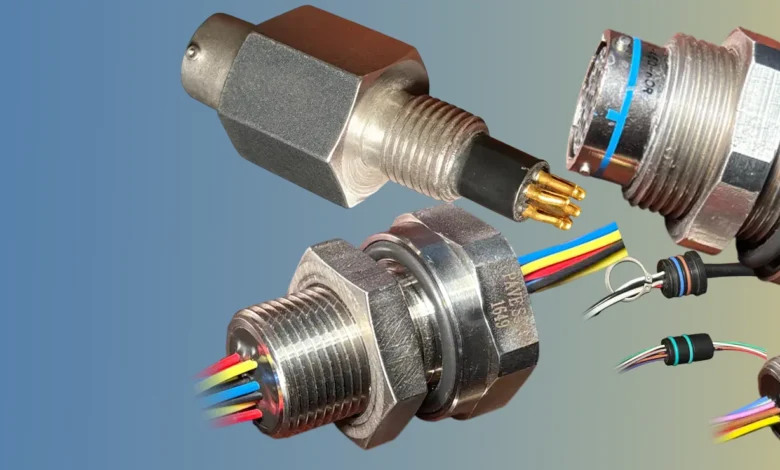
A hermetic feedthrough used in medical diagnostic applications is engineered to ensure both electrical performance and environmental sealing. It typically consists of conductive pins, insulating materials such as ceramic or glass, and a sealed metal housing.
The conductive pins transmit electrical signals or power, while the insulating material prevents electrical leakage and maintains separation between conductors. These components are permanently bonded using advanced sealing methods such as glass-to-metal sealing or high-temperature brazing.
This structure ensures that no air, moisture, or contaminants can enter or exit the sealed diagnostic chamber, even under continuous operation and repeated sterilization cycles.
PAVE Technology and Medical-Grade Hermetic Feedthrough Solutions
In the field of precision medical engineering, PAVE Technology is recognized for developing high-performance hermetic feedthrough solutions specifically designed for medical diagnostic equipment. Their expertise focuses on reliability, precision, biocompatibility, and long-term stability in healthcare environments.
PAVE Technology designs feedthrough systems used in diagnostic imaging devices, laboratory automation systems, biosensors, and advanced medical instrumentation.
Through advanced engineering processes and strict quality control, PAVE Technology ensures that every hermetic feedthrough meets the demanding requirements of modern medical diagnostics.
Materials Used in Medical Hermetic Feedthrough Design
Material selection plays a critical role in ensuring the performance and safety of a hermetic feedthrough in medical applications.
Ceramic materials such as alumina are widely used for insulation due to their excellent dielectric strength, chemical resistance, and thermal stability. These properties make them ideal for medical environments where sterilization and chemical exposure are common.
Metals such as stainless steel and titanium are used for structural housing and conductive elements because of their corrosion resistance, mechanical strength, and compatibility with medical-grade systems.
In high-performance applications, glass-to-metal sealing technology is used to achieve ultra-high hermetic integrity and long-term durability.
PAVE Technology carefully selects and validates all materials used in its hermetic feedthrough systems to ensure compliance with medical industry standards.
Hermetic Feedthrough in Diagnostic Imaging Systems
Diagnostic imaging systems such as MRI, CT, and PET scanners require extremely stable and interference-free electronic environments. These systems rely on precise signal processing and highly sensitive detection equipment.
A hermetic feedthrough enables electrical signals to pass through sealed compartments in imaging systems without introducing noise, distortion, or contamination.
In MRI systems, maintaining electromagnetic stability is essential to ensure clear and accurate imaging results. Any interference can degrade diagnostic accuracy and compromise patient care.
PAVE Technology provides advanced feedthrough solutions designed for high-performance imaging systems where precision and reliability are critical.
Laboratory Diagnostic and Automated Testing Equipment
Modern medical laboratories use automated diagnostic systems for blood analysis, genetic testing, and biochemical assays. These systems operate in controlled environments where sample integrity and measurement accuracy are essential.
A hermetic feedthrough is used to connect sensors, robotic systems, and analytical instruments inside sealed chambers without exposing them to contamination or environmental variation.
This ensures consistent performance and reliable diagnostic outcomes across repeated testing cycles.
PAVE Technology develops feedthrough systems tailored for laboratory automation and diagnostic instruments that require high precision and stability.
Biomedical Research and Implant Testing Applications
Biomedical research and implant testing involve highly sensitive experiments where devices are exposed to controlled biological or simulated physiological conditions.
A hermetic feedthrough allows researchers to transmit electrical signals into sealed test environments without compromising sterility or experimental conditions.
This is particularly important in testing implantable devices such as pacemakers, neural stimulators, and biosensors, where accuracy and reliability are essential for patient safety and device validation.
PAVE Technology supports biomedical research by providing advanced feedthrough solutions designed for long-term stability and precise data transmission.
Engineering Challenges in Medical Feedthrough Integration
Integrating a hermetic feedthrough into medical diagnostic equipment involves several engineering challenges.
Miniaturization is one of the biggest challenges, as modern medical devices require compact designs with high-density signal transmission capabilities.
Sterilization resistance is another critical factor, as medical equipment must withstand repeated exposure to heat, chemicals, and radiation without degradation.
Electrical signal integrity must also be maintained, especially in high-sensitivity diagnostic systems where even minor interference can affect results.
Long-term reliability is essential because medical devices are expected to operate safely and consistently for many years.
PAVE Technology addresses these challenges through advanced engineering design, precision manufacturing, and rigorous validation processes.
Testing and Quality Assurance in Medical Applications
Every hermetic feedthrough used in medical diagnostic equipment must undergo strict testing to ensure safety, reliability, and compliance with regulatory standards.
Helium leak testing is used to verify airtight sealing and prevent contamination. Electrical insulation testing ensures stable signal transmission without leakage or interference.
Thermal cycling and mechanical stress tests simulate real-world operating conditions, ensuring long-term durability and performance stability.
PAVE Technology implements comprehensive quality assurance systems to ensure that every feedthrough meets global medical device standards and regulatory requirements.
Future Trends in Medical Hermetic Feedthrough Technology
The future of hermetic feedthrough integration in medical diagnostic equipment is being shaped by advancements in digital healthcare, automation, and miniaturized medical systems.
One major trend is the development of ultra-compact, multi-channel feedthrough systems that support higher data transmission in smaller devices.
Another trend is the integration of smart monitoring systems that can detect seal integrity and electrical performance in real time, improving predictive maintenance and reducing device downtime.
Advances in biocompatible materials and high-performance ceramics will further enhance durability, safety, and long-term reliability.
PAVE Technology continues to innovate in this field by developing next-generation hermetic feedthrough solutions for future medical diagnostic technologies.
Conclusion
The hermetic feedthrough is a vital component in modern medical diagnostic equipment, enabling safe and reliable electrical communication while maintaining complete environmental sealing. From imaging systems and laboratory analyzers to biomedical research and implant testing platforms, these components ensure accuracy, safety, and long-term performance.