Blog

  • Managing Courses, Events, and Sessions: Tips for Building Strong Client Relationships

    Managing Courses, Events, and Sessions: Tips for Building Strong Client Relationships

    For creators and service providers, building strong relationships with clients is essential for success. Whether you are hosting courses, running events, or offering one-on-one sessions, creating a seamless experience can make a huge difference. That’s where an all-in-one platform like super profile.bio comes into play. It helps you manage everything from a single place, ensuring your clients get the best experience possible.

    Why Strong Client Relationships Matter

    Building solid client relationships is more than just good customer service. It’s about creating trust, loyalty, and long-term success. When clients feel valued, they are more likely to come back and recommend your services to others. Whether you are managing courses, events, or private sessions, focusing on client satisfaction will help you grow your business.

    1. Increased Client Retention

    Satisfied clients tend to stick around. If they enjoy your courses or sessions, they are likely to sign up for future events, boosting your revenue.

    2. Positive Word-of-Mouth

    When clients are happy, they spread the word. This kind of organic marketing can bring in new clients without any extra effort.

    3. Building Trust and Credibility

    Strong client relationships build your reputation. When people trust your services, they are more willing to engage with your products, sessions, and events.

    Discover how super profile.bio can help build better client relationships

    Tips for Managing Courses Effectively

    Running a course involves a lot of planning and coordination. To make sure your clients have a smooth experience, you need to streamline the process. Here are some tips to help:

    1. Simplify Registration and Payments

    Make it easy for clients to sign up and pay for your courses. Using an all-in-one platform like super profile.bio allows you to handle registration, payments, and course materials from a single dashboard. This simplifies the process and ensures clients don’t face any hassle.

    Benefits of Streamlined Registration:

    • Reduces the time it takes for clients to sign up
    • Ensures secure and quick payments
    • Improves overall client satisfaction

    2. Use Clear and Simple Course Outlines

    Provide a clear outline of what the course will cover. Clients appreciate knowing what to expect before they sign up. Make sure to break down the content into easy-to-follow modules.

    Example of a Simple Course Outline:

    Module Description Duration
    Introduction Overview of the course 30 mins
    Key Concepts In-depth explanation 1 hour
    Practical Application Real-world examples 1.5 hours
    Q&A Session Addressing client queries 30 mins

    3. Regularly Engage with Participants

    Check in with participants during the course. Answer their questions, provide additional resources, and ask for feedback. This shows that you care about their learning experience, which builds trust.

    Start managing your courses effortlessly with super profile.bio

    Best Practices for Hosting Events

    Events are a great way to engage with clients directly. However, managing them can be challenging. With the right approach, you can ensure that your events run smoothly and leave a lasting impression on your attendees.

    1. Promote Events Well in Advance

    Make sure to promote your events early so that clients have time to plan and register. Use social media, email campaigns, and your platform to spread the word. super profile.bio makes it easy to set up events and share them across multiple channels.

    Event Promotion Checklist:

    • Create an event page with all the details
    • Use eye-catching graphics and banners
    • Send reminder emails to registered participants
    • Share updates and teasers to build excitement

    2. Make the Registration Process Easy

    A complicated registration process can deter potential attendees. Keep it simple by using a unified platform that handles everything, from ticket sales to reminders. With super profile.bio, clients can easily register, pay, and receive updates about the event.

    3. Collect Feedback After the Event

    Understanding what went well and what could be improved is key to hosting better events in the future. Always ask for feedback and act on it to enhance the experience for your clients.

    How to Manage One-on-One Sessions Efficiently

    One-on-one sessions allow you to connect with clients on a personal level. Whether you are offering coaching, consulting, or tutoring, effective management is crucial to make sure these sessions run smoothly. Here are some tips:

    1. Set Clear Expectations Before the Session

    Clients should know exactly what to expect from a one-on-one session. Before the session, share an agenda or outline of what will be covered. This helps clients feel prepared and ensures that both of you get the most out of the time spent.

    2. Use a Reliable Scheduling System

    A good scheduling system is vital for managing one-on-one sessions. super profile.bio lets clients book time slots based on your availability, making it easier for both you and them. This avoids double bookings and ensures everything runs on time.

    3. Follow Up After the Session

    Following up after a session shows that you care about your client’s progress. Send a thank-you note, share a summary of what was discussed, or provide additional resources to help them. This small gesture can go a long way in building strong relationships.

    Learn more about managing sessions with super profile.bio

    Why Choose super profile.bio for Managing Courses, Events, and Sessions

    Choosing the right platform can simplify how you manage courses, events, and sessions. super profile.bio offers a range of features designed to streamline these processes and improve client experience. Here’s why it stands out:

    1. All-In-One Dashboard

    Manage everything—registrations, payments, scheduling, and communications—from one easy-to-use dashboard. This saves time and reduces errors, helping you focus on delivering great content.

    2. Secure Payment Integration

    With multiple payment options available, clients can pay quickly and securely. This makes transactions smoother, which boosts client satisfaction.

    3. Customization and Branding

    Create a professional, branded experience across all your offerings. From course pages to event tickets, you can customize everything to reflect your brand.

    Features Comparison:

    Feature Benefit Available on super profile.bio
    Unified Dashboard Simplifies management Yes
    Secure Payments Fast and reliable transactions Yes
    Custom Branding Professional and consistent Yes
    Scheduling Tools Easy booking for clients Yes


    Practical Tips for Using super profile.bio to Enhance Client Relationships

    1. Keep Your Communication Clear

    Good communication is essential for building strong client relationships. Use super profile.bio to send automated emails, reminders, and follow-ups. This helps keep clients informed without overwhelming them.

    2. Offer Exclusive Deals or Packages

    Reward loyal clients by offering exclusive deals or bundled packages. super profile.bio allows you to set up special discounts, which can encourage repeat business.

    3. Regularly Update Your Offerings

    Clients appreciate fresh content. Keep your courses, events, and sessions updated to reflect the latest trends and insights. This shows clients that you are dedicated to providing the best value.

    Explore the full range of features on super profile.bio

    Conclusion: Simplify Management and Strengthen Relationships with super profile.bio

    Managing courses, events, and sessions doesn’t have to be complicated. With super profile.bio, you can streamline all aspects of your business, making it easier to build strong client relationships. From scheduling and payments to communications and feedback, everything is in one place, giving you more time to focus on your clients.

    Ready to build stronger client relationships? 

    Sign up with super profile.bio today and see how a streamlined platform can make a difference.


  • Balancing Risk and Reward: Choosing Yield Strategies Wisely in DeFi

    Balancing Risk and Reward: Choosing Yield Strategies Wisely in DeFi

    As decentralized finance (DeFi) continues to evolve, it has become an attractive option for investors looking to earn passive income with complete control over their funds. On EVM-enabled blockchains, DeFi offers a range of yield options that vary in both risk and reward. Choosing the right yield strategy involves understanding your risk tolerance and knowing the protocols that best match your financial goals. This article breaks down the key considerations when navigating yield strategies, helping users find a balance between risk and reward in DeFi.

    Understanding DeFi Protocols and Their Yield Options

    Before diving into yield strategies, it’s essential to grasp what a DeFi protocol is. In simple terms, DeFi protocols are blockchain-based applications that allow users to participate in financial activities without intermediaries like banks. These protocols operate via smart contracts—automated, self-executing contracts programmed to execute transactions securely and transparently on the blockchain.

    Yield options within DeFi protocols range from stablecoin lending and staking to high-yield farming, each offering different potential returns. By leveraging the flexibility and transparency of DeFi, users can select strategies that align with their unique goals and risk profiles.

    Lending Protocols for Stability and Predictable Returns

    For users seeking low-risk income, lending protocols offer a straightforward entry point. By lending assets through DeFi protocols like Aave or Compound, users can earn interest as borrowers repay their loans. These protocols use over-collateralized lending, meaning borrowers must provide more collateral than the value of the loan, reducing risk for lenders. In turn, these platforms provide predictable, albeit relatively moderate, returns that are often more stable than other high-yield options.

    Additionally, lending protocols allow users to lend stablecoins—cryptocurrencies pegged to traditional currencies such as USD—which further minimizes risk. Stablecoin lending offers a reliable yield option, especially for risk-averse users looking to avoid exposure to market volatility while earning passive income.

    DeFi

    Yield Farming: High Potential, High Risk

    Yield farming is a popular strategy for those willing to take on higher risk in exchange for potentially higher returns. In yield farming, users provide liquidity to decentralized exchanges (DEXs) or liquidity pools and earn returns in the form of the protocol’s native token. High-yield farming protocols like Uniswap and SushiSwap often provide enticing rewards, but with these come increased risks, such as impermanent loss—a phenomenon that can erode profits when the prices of the assets in the pool diverge.

    Yield farming can be an attractive option when aiming to maximize returns, but it requires careful monitoring of market conditions and reward structures. Investors with a greater risk tolerance may benefit from this strategy but should ensure they understand how changes in asset prices could affect their earnings.

    Staking for a Simpler, Low-Maintenance Yield

    Staking is one of the most accessible and low-maintenance ways to earn yields in DeFi. By staking tokens in a proof-of-stake (PoS) network, users help validate transactions on the blockchain and, in return, receive rewards. This approach provides a more consistent return on investment and requires minimal active management.

    Platforms that support staking, like Ethereum 2.0, Solana, and Polkadot, offer straightforward staking options for various assets. Many users favor staking due to its simplicity, as it involves locking up assets without the complex considerations of yield farming or leveraged trading. While staking yields are generally lower than high-risk options, they are a strong choice for users focused on stability and long-term growth.

    Aggregators: Diversifying for Optimal Yields

    For those seeking a diversified approach to yield generation, DeFi aggregators present a compelling option. Aggregators such as Yearn Finance and Beefy Finance combine multiple DeFi strategies to optimize returns, often by reallocating assets to high-yield pools and auto-compounding rewards. This diversified approach minimizes the risk associated with any single protocol while maximizing yield potential across various DeFi products.

    Aggregators are ideal for investors who prefer a hands-off approach, as these platforms automatically adjust strategies to capitalize on high-yield opportunities. Although they provide a balance of risk and reward, users should be mindful of the fees and potential smart contract risks associated with using aggregators.

    Leveraged Yield Strategies: Rewards with Greater Caution

    For seasoned DeFi users, leveraging assets can be a method to amplify yields—but it comes with significant risks. Leveraged yield farming involves borrowing assets to increase one’s position in a yield farm, thereby magnifying both potential gains and losses. Protocols like Alpha Homora offer leveraged options that appeal to investors with high risk tolerance, as they can generate outsized returns.

    However, leveraged strategies carry inherent risks. If the yield generated does not cover the interest on the borrowed assets, or if the assets depreciate, the user could face liquidation. Therefore, leveraged farming is best suited for experienced DeFi users who are comfortable with market volatility and understand the potential downsides of leveraging.

    Prioritizing Security and Self-Custody in DeFi

    Security is a crucial consideration when selecting DeFi yield options. Top DeFi platforms employ stringent security protocols, including smart contract audits and insurance mechanisms, to safeguard users’ funds. Self-custody, or maintaining personal control over assets, is a key advantage in DeFi, allowing users to retain ownership and make strategic decisions regarding their investments.

    When evaluating DeFi protocols, users should examine the platform’s security measures and governance structure to ensure their assets are protected. Security-focused platforms reduce the likelihood of hacks and other vulnerabilities, empowering users to pursue yield opportunities with greater confidence.

    Navigating yield options in DeFi involves understanding the unique balance of risk and reward each protocol offers. Whether through stable lending, high-yield farming, staking, or diversified aggregators, today’s DeFi landscape provides a wide range of choices for generating passive income. By aligning strategies with personal risk tolerance and prioritizing platforms with robust security measures, users can optimize their yield generation and make the most of the dynamic DeFi ecosystem.

  • The Importance Of Safe Fuel Storage On Site

    The Importance Of Safe Fuel Storage On Site

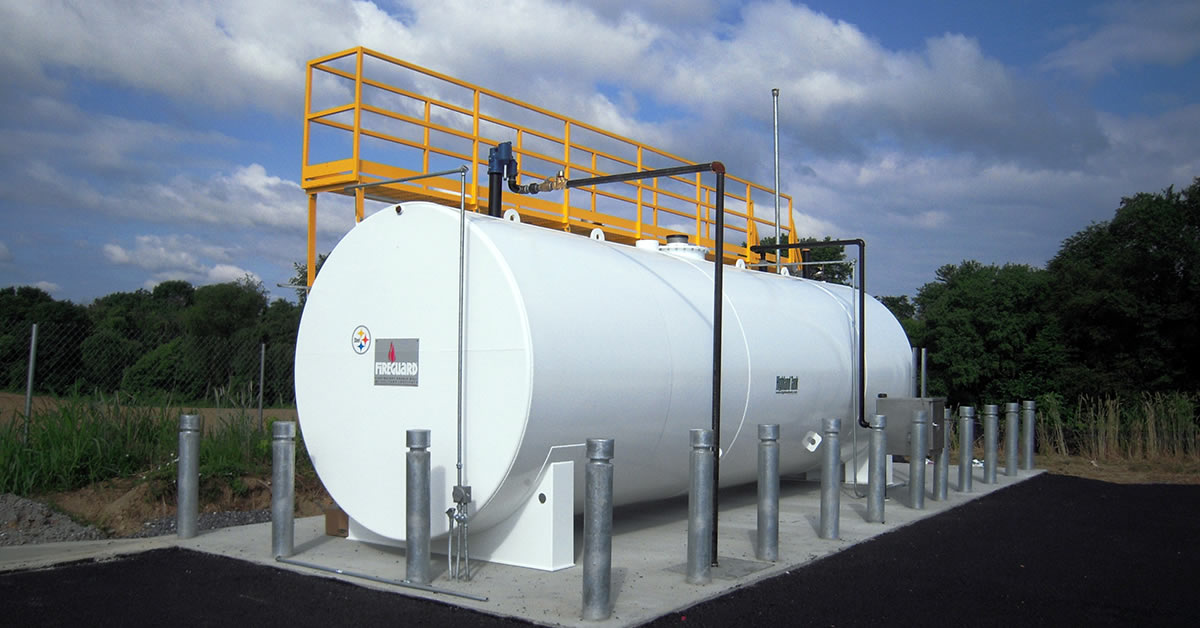
    There are a lot of factors to consider when discussing the management of fuel for any company, project or site. Safety of fuel storage should always be a priority for site managers, ensuring that there is enough fuel available for operational circumstances that can change at any moment, whilst also providing better scope for analysis of fuel use data and information to tweak processes. That way, there can be greater efficiency of task completion, product application, control over costs, and a tightening of sustainability processes and reducing the carbon footprint of the company and the project at hand.

    Why is fuel storage important?

    An on-site fuel management system that is smart and allows for greater flexibility of operations and control over dispersal and costs is important for the future of any business. There are a few benefits to implementing such a system, including:

    Keep contractors safe – any people that are on site and around fuel must be kept safe from harm at all times. Liquid fuels such as petrol and diesel are toxic to humans, and you must adhere to strict guidelines to ensure that every person is safe on site when around fuel. This is even more the case during refuelling operations and instances where there are deliveries by suppliers on site.

    Meet regulatory compliance – as fuel is a dangerous substance to have on site and around humans, the better your on-site fuel storage and fuel management solutions, the safer your site will be, meeting industry regulations. As it is a highly flammable liquid, there is potential for fire to break out as well as dangerous vapours to be released, potentially causing serious harm. There needs to be a storage solution that is away from electrical sparks, naked flames and any other type of ignition point.

    Prevent theft – smart fuel management provides real-time data of fuel and how it is being used, as well as the location of the unit at any given time. This helps to provide a better understanding of how to secure fuel and ensure it is as safe as possible from potential theft, which can be incorporated into wider security solutions for a site.

    Cost-effectiveness – smart fuel management systems ensure that all data is accurate, and management can understand the peaks in supply and demand, learning how to best maximise performance with specific levels of available fuel. With better data analysis comes greater cost efficiencies across the board.

    Smart fuel management

    As we move deeper into the 21st century and the perils the world faces over climate change come clearer into focus, industries such as construction that have been responsible for huge percentages of global emissions, must find new ways to be smarter with how they use fuel and how they power projects and sites. Implementing a smart fuel management system is a priority for every construction company, and luckily there have been great strides made in recent years with the technology that allows for smarter tracking of fuel consumption and safer use and storage of fuel on site.

    The benefits of smart, accurate tracking of fuel consumption and utilising this alongside your plant hire machinery and equipment, will help to ensure that a site is managed as efficiently as possible. As well as creating an efficient and productive process of work, smart fuel management and analysis will naturally reduce the carbon footprint of a company, as it provides accountability and transparency of all fuel dispersals, which can lead to greater management and efficiency as time moves on and tweaks are made to processes and storage solutions for fuel on site. For greater all-round efficiency and control over fuel costs and usage, smart fuel management is the future that needs to be implemented now at your company. 


  • 4 Reasons Why You Should Hire Residential Moving Services

    4 Reasons Why You Should Hire Residential Moving Services

    Whether you are moving to a new city or a different home, the process can be quite overwhelming even though the idea of a new home might be exciting. That’s because you are packing up your whole life while managing timelines and making sure everything goes through smoothly.

    So, how can you make the experience better? Consider hiring  the movers. To give you an idea, here are some reasons why hiring professionals can make a huge difference.

    1. Professional Packing and Organization – Why Residential Moving Services Save Time

    Packing up an entire home is a time-consuming task that requires careful planning. If you’ve ever moved, you probably know that without a solid plan, things can get messy fast. You might end up tossing items randomly into boxes just to get the job done, which leads to stress and confusion when you try to unpack.

    With residential moving services, you can leave the packing to the experts. They know how to pack everything securely, from your fragile glassware to your bulky furniture. Professionals use specialized techniques to pack your belongings quickly and efficiently. They also label each box, making it easy to know where everything goes when it’s time to unpack. This organization can be a huge time-saver, allowing you to focus on other important aspects of your move.

    2. Access to Moving Supplies and Equipment

    If you decide to move on your own, gathering the right supplies can be a hassle. You’ll need boxes of all sizes, packing tape, padding materials, and possibly dollies or furniture sliders. These items add up quickly, both in cost and time spent searching for them.

    Professional moving companies bring all the supplies needed to safely pack and transport your belongings. They have heavy-duty boxes, packing paper, and protective padding to secure your items. Additionally, they come equipped with tools for disassembling furniture and equipment like dollies and lifting straps, which make handling heavy items safer and easier.

    3. Reduced Risk of Injury and Damage

    Moving heavy furniture and large appliances is physically demanding and can be risky if not done correctly. If you’re not used to lifting heavy objects, you risk injuring yourself or damaging your furniture, walls, or floors. It’s easy to scratch a wall or drop a box filled with fragile items.

    Professional movers have the training and experience to move heavy and delicate items safely. They use proper lifting techniques and equipment to avoid injuries. With residential moving services, you also get added protection for your belongings, as many companies offer insurance options to cover any potential damage during the move. Knowing that you won’t be injured or left with broken items adds peace of mind to the moving process.

    4. Stress Relief and Peace of Mind

    Moving is commonly listed as one of the most stressful life events, right up there with major personal changes. Trying to juggle packing, transporting, and setting up in a new home can be exhausting and overwhelming, especially if you have other responsibilities like work or family commitments.

    When you hire residential moving services, you have a team dedicated to making the move as smooth as possible. They handle the heavy lifting, packing, and logistics so you can focus on other aspects of your life. Having professionals take over the details of the move reduces your stress and gives you peace of mind, allowing you to look forward to your new home without being weighed down by the demands of moving day.

  • Understanding Zoning Laws and How They Affect Building Design

    Understanding Zoning Laws and How They Affect Building Design

    Zoning laws are an essential element in the planning and development process of any building project. These laws, established by local governments, determine how land can be used in specific areas, affecting aspects such as the height, size, and purpose of structures. Understanding zoning laws is crucial for architects, developers, and property owners, as these regulations directly influence design possibilities and the feasibility of a project. Ignoring or misunderstanding zoning laws can lead to costly delays, fines, or even the need to redesign a project entirely. Here’s a deeper look at what zoning laws entail and how they affect building design.

    What Are Zoning Laws?

    Zoning laws are regulations set by municipalities or local governments to control land use within their jurisdictions. These laws divide land into different zones or districts, each with specific permitted uses, density limits, height restrictions, and building guidelines. The primary purpose of zoning laws is to organize urban development, protect public health and safety, and create a harmonious environment by preventing incompatible land uses in close proximity. For example, zoning laws keep industrial factories away from residential areas to reduce noise, pollution, and safety risks for residents.

    Each zoning district has distinct regulations. Residential, commercial, industrial, and mixed-use are common zoning categories, each with further subcategories. For instance, a residential zone may allow single-family homes but restrict multi-family buildings or high-rise apartments. These zoning distinctions are vital for planning the type and scope of a project on a specific piece of land.

    How Zoning Laws Impact Building Design

    Zoning laws significantly affect the design and development of buildings by setting limits on factors like building height, setbacks, lot coverage, and usage. Here are several ways in which zoning regulations shape building design:

    1. Building Height Restrictions

    Many zoning districts impose height restrictions to control the vertical expansion of buildings. These restrictions are often in place to maintain the character of a neighborhood, preserve scenic views, or prevent overcrowding. In cities where these regulations are strict, architects may need to create designs that spread horizontally instead of vertically, which can impact the efficiency of land use, especially in commercial and residential areas with limited space.

    For example, if a zoning district caps building heights at 40 feet, architects working on a multi-story project must adapt the design to fit within that limit. This adjustment may result in a broader structure or limit the number of floors, impacting the building’s functionality and appeal.

    2. Setback Requirements

    Setbacks refer to the minimum distance a building must be from property lines, roads, and neighboring structures. Zoning laws specify setbacks to ensure adequate space between buildings, facilitate access to sunlight, and create pedestrian-friendly streets. In urban areas, setbacks are critical for maintaining sidewalks and reducing congestion.

    Setback requirements affect both the design and orientation of a building on a lot. For architects, these regulations may influence the placement of entrances, landscaping, and even window layouts. If a zoning ordinance mandates a 10-foot setback from the street, architects must account for that space in the design, potentially reducing the usable area within the building.

    3. Lot Coverage Limits

    Lot coverage restrictions limit the percentage of a lot that can be occupied by a building, which ensures open space for landscaping, parking, and stormwater management. High-density zones may allow greater lot coverage, while low-density areas often require more open space.

    Lot coverage limits affect the overall footprint of a building. If a site has a 60% lot coverage limit, architects must design a building that occupies no more than 60% of the land, which can be challenging on small lots or in high-demand urban areas. To work within these limits, architects may need to get creative with multi-level or compact designs.

    4. Permitted Uses and Building Functionality

    Zoning laws dictate the type of activities that can occur within each district. These “permitted uses” restrict certain land areas to specific functions, such as residential, commercial, or industrial activities. If a zone is designated for residential use, developers cannot construct industrial facilities there without a variance.

    Usine architects Stendel + Reich understand the importance of aligning building functionality with zoning requirements, as even minor changes in a building’s intended use may necessitate revisions in its design. For example, a building designed for commercial use will have different ventilation, accessibility, and structural requirements than one used for residential purposes. Understanding permitted uses ensures that architects plan and design buildings that comply with local codes.

    5. Parking and Accessibility Requirements

    Many zoning laws specify parking requirements based on the type of building and expected occupancy. Commercial zones often require more parking spaces per square footage than residential buildings to accommodate visitors and employees. Parking standards influence design aspects, such as the inclusion of underground parking, lot size, and even building entrances.

    Accessibility standards also play a role in zoning and design. Buildings must comply with the Americans with Disabilities Act (ADA) and other accessibility regulations, which may require specific design elements like ramps, accessible bathrooms, and elevators. Architects must integrate these features without compromising aesthetic and functional aspects of the building.

    Navigating Zoning Law Challenges

    Navigating zoning laws is one of the most complex parts of building design and development. Architects and developers often need to work closely with local planning authorities to understand zoning restrictions fully. For projects that don’t align perfectly with zoning requirements, it’s sometimes possible to seek variances or zoning amendments, but these processes can be time-consuming and challenging.

    Working with experienced professionals, like usine architects Stendel + Reich, helps ensure that zoning requirements are met efficiently, avoiding costly redesigns or legal issues. Experienced architects are familiar with local zoning regulations and understand how to design within these constraints to create innovative and compliant spaces.

    Conclusion

    Zoning laws are a fundamental aspect of building design that shapes the possibilities and limitations of every project. From height restrictions and setbacks to lot coverage and permitted uses, these regulations impact the form, function, and feasibility of buildings. Architects must navigate these rules carefully, balancing regulatory compliance with creative design solutions. An in-depth understanding of zoning laws enables architects and developers to create spaces that are functional, safe, and harmonious with their surroundings.


  • Poultry Productivity: Useful Strategies for Effective Agricultural Development

    Poultry Productivity: Useful Strategies for Effective Agricultural Development

    Attracting interest for its major contribution to food production and economic development, poultry (สัตว์ปีก) farming is a promising and profitable sector inside agriculture. The rising demand for meat and eggs makes sustainable chicken farming methods essential. In poultry farming, creative ideas and efficient techniques can improve output, lower environmental effects, and help long-term industry expansion. To help farmers maximize their operations while simultaneously caring for the environment, this guide investigates several approaches to make poultry farming more efficient and sustainable.

    Guaranturing Ideal Living Conditions

    Giving the birds a suitable habitat forms the basis of successful poultry farming. For their health and productivity, proper housing shields poultry from predators and extremes of the weather. Maintaining poultry welfare and stopping the spread of disease depends on a well-ventilated, hygienic, large space. Maintaining a clean living space reduces health hazards and guarantees that poultry flourish and produce as best they can.

    Since it affects feeding and laying patterns, enough lighting is also absolutely important. Combining controlled artificial lighting with natural light helps the birds’ natural cycles to be stimulated. Farmers can avoid heat stress and other environmental stresses by keeping ideal temperature and humidity levels, so preserving the health and productivity of their birds.

    Food for Maximum Performance

    Production and the general state of poultry depend much on nutrition. While lowering disease sensitivity, a balanced diet including vital proteins, vitamins, and minerals increases egg production and rates of growth. High-quality feed catered to the age and production goal of the bird should be the main emphasis of farmers since it guarantees meeting the dietary needs.

    Waste Management for a Farm in a Greener Future

    Reducing the environmental effect of chicken production depends on efficient waste management. Managers of waste, including manure, can turn it into valuable commodities like organic fertilizers Not only does composting chicken waste enhance soil quality, but it also reduces waste output on the farm. By using waste in this way, pollution is lessened and possible environmental hazards become profitable products.

    Sustainable poultry (สัตว์ปีก) farming calls for a well-rounded strategy that gives bird health, and environmental responsibility top priority along with effective manufacturing techniques. Farmers can produce amazing results by concentrating on appropriate housing, balanced nutrition, disease prevention, and waste management, so satisfying industry needs and safeguarding resources for the next generations. Adopting these techniques provides a road towards a profitable chicken company using a consistent supply of premium goods and encourages a more environmentally friendly agricultural future.

  • Exploring Trends in Sustainable Manufacturing and Its Impact on Quality Control

    Exploring Trends in Sustainable Manufacturing and Its Impact on Quality Control

    In recent years, sustainability has become a core focus for industries worldwide, and manufacturing is no exception. As consumers demand more environmentally responsible practices, businesses are increasingly adopting sustainable manufacturing processes to meet regulatory requirements and market expectations. However, these changes are also reshaping how companies approach quality control.

    Let’s explore the key trends in sustainable manufacturing and how they impact quality control strategies.

    1. Use of Eco-Friendly Materials

    One of the most significant trends in sustainable manufacturing is the shift towards eco-friendly materials. Many manufacturers are reducing their reliance on non-renewable resources and opting for recyclable or biodegradable materials in their production processes. This move is not only beneficial for the environment but also appeals to eco-conscious consumers.

    However, integrating new materials into production lines requires careful attention to quality control. Manufacturers must ensure that these materials meet the same durability, performance, and safety standards as traditional ones. Quality control teams are tasked with developing new testing protocols to evaluate the performance of sustainable materials and ensure they deliver consistent product quality.

    1. Energy-Efficient Production Processes

    Energy efficiency is another critical focus in sustainable manufacturing. By implementing energy-saving technologies like renewable energy sources, smart manufacturing systems, and energy-efficient equipment, companies can lower their carbon footprint while reducing operational costs.

    For quality control, this shift requires enhanced monitoring of production processes. Energy-efficient manufacturing may involve changes to equipment or the introduction of automation, both of which can affect product consistency and quality. Quality control teams need to ensure that these energy-saving measures do not compromise the integrity or performance of the final product.

    1. Waste Reduction and Circular Economy Models

    Many manufacturers are adopting circular economy models, which prioritize waste reduction, product reuse, and recycling. This sustainable approach to production minimizes the environmental impact by extending the life cycle of materials and products.

    The shift towards waste reduction has a direct impact on quality control. Inspectors must closely monitor production processes to ensure that recycled materials meet high-quality standards and are not introducing defects. Additionally, businesses are developing quality control systems to assess the effectiveness of product reusability and recyclability, ensuring compliance with sustainability goals without compromising product quality.

    1. Ethical Labor Practices and Supply Chain Audits

    Sustainable manufacturing is not only about reducing environmental impact but also about ensuring ethical labor practices. More consumers and regulatory bodies are demanding transparency in supply chains, including the working conditions of laborers involved in production.

    Quality control now extends beyond the physical product to include audits of suppliers’ practices, ensuring they comply with labor standards and ethical business practices. This emphasis on ethical audits is reshaping how companies vet and engage with their suppliers, adding a new layer of responsibility to quality control operations.

    1. Integration of Smart Manufacturing and Data Analytics

    Sustainable manufacturing often relies on the integration of smart manufacturing technologies, such as the Internet of Things (IoT) and data analytics. These tools can monitor and optimize production processes in real time, minimizing resource consumption and reducing waste.

    For quality control teams, this means greater access to real-time data that can be used to identify defects and inefficiencies at any stage of the production cycle. Predictive analytics can also help manufacturers anticipate potential quality issues before they arise, allowing for more proactive quality control measures.

    1. Compliance with Sustainability Standards and Certifications

    As sustainability becomes a central concern, more companies are seeking certifications and adhering to sustainability standards such as ISO 14001, which focuses on environmental management systems. These certifications not only demonstrate a company’s commitment to sustainability but also help them meet international regulations.

    Quality control teams play a crucial role in ensuring compliance with these standards. They must implement and maintain processes that align with the environmental criteria set by these certifications, all while maintaining high product quality. This can involve more rigorous testing, additional documentation, and regular audits to ensure compliance.


  • What Is OPP Film, And How Does It Enhance Packaging Durability And Appeal? 

    What Is OPP Film, And How Does It Enhance Packaging Durability And Appeal? 

    OPP is a plastic film that is derived from polypropylene material, which has been biaxially oriented in both the machine direction and the transverse direction to realize an improved mechanical characteristic. The manufacturing process of this film produces a high tensile strength, stiffness, and clarity that makes it suitable for different packaging uses in the foods, cosmetics, and textiles industries. In this article, we shall explain what OPP films are and how they can be used to improve the packaging’s durability and appeal. 

    Key Features Of OPP Film

    Strength and Durability: The mechanical values of OPP film are significantly high, as are its tensile strength and rigidity. These characteristics provide packaging that is not easily affected by the handling and transportation processes and will not tear easily.

    Clarity and Aesthetic Appeal: The OPP film is translucent, which enables the packaged product to be easily seen by the consumer, enhancing its visual appeal on retail shelves. This makes the product package appealing when placed on the shelves. This clarity is especially useful in the food processing sector since people like to see what they are buying.

    Printability: OPP film has a smooth surface, which gives a very good feel for printing. This also enables brands to add bright images and clear textual content fathomlessly onto the outer layer, enhancing the appeal of the brands and customer interactions.

    Barrier Properties: Although OPP film can be laminated or otherwise treated to increase its barrier properties to moisture, gases, and light, the material is already fairly resistant to these conditions and offers sufficient protection for many products. This feature is very important for increasing the shelf life of the perishable products.

    Eco-Friendliness: OPP films are usually biodegradable, and the manufacturing process of OPP films can be done through sustainability. This is in line with the current global consumer awareness as to the need to go green when it comes to packaging material.

    Applications Of OPP Film

    OPP film is versatile and finds applications in various sectors:

    Food Packaging: Popular with snack foods, baked goods, and confectionery items. It retains the product’s freshness while providing an attractive presentation.

    Cosmetics and Personal Care: The film’s clarity and printability make it suitable for packaging beauty products where the outlook is key to influencing decision-making.

    Textiles: OPP film is also used in packing clothes to protect them and to give them some eye-catching and quality prints.

    Role In Enhancing Packaging Durability And Appeal

    The use of OPP film significantly enhances packaging durability and appeal through several mechanisms:

    Structural Integrity: The high tensile strength enables packages to be strong and have no cracks throughout the transit, reducing product damage and waste. This durability is especially desirable for fragile items or those requiring robust protection.

    Visual Attraction: The transparent finish not only presents the product well but also helps in creating an attractive presentation that can draw consumers’ attention in a crowded marketplace.

    Branding Opportunities: With its excellent printability, brands can leverage OPP film to convey their identity using bright accents and informative legends. This capability is important in areas where a first impression can help the business secure more customers.

    Long Shelf Life: Due to its ability to shield products from factors such as moisture and light, OPP film assists in retaining product quality so that consumers get an intact product even after it has spent an extended period on store shelves.

    Conclusion

    In sum, OPP film is one of the most functional and aesthetic packaging materials available. Due to its special characteristics, it can be used in a variety of industries and satisfy the needs of manufacturers and users in terms of high-quality packaging materials.


  • A Guide to How IPO Allotment Works for Investors

    A Guide to How IPO Allotment Works for Investors

    Understanding how IPO allotment works is essential for anyone looking to invest in the stock market. An Initial Public Offering (IPO) is when a private company offers its shares to the public for the first time. This process can be exciting but also a bit complex, especially when it comes to how shares are allocated to investors. This guide will break down the key aspects of IPO allotment, making it easier for beginners to grasp. We will cover opening Demat account, what an IPO allotment is, and the steps you need to take to participate effectively.

    What is IPO Allotment?

    IPO allotment refers to the process of distributing shares to investors who have applied for them during an IPO. When a company goes public, it sets a specific number of shares available for sale. Investors can bid for these shares during a designated period, usually lasting a few days. After this bidding period closes, the registrar of the IPO calculates how many shares each investor will receive based on demand.

    Key Factors Influencing Allotment

    Understanding the factors that influence allotment can help you strategise your investments. Many investors also rely on Demat app to keep track of their applications and investments effectively.

    • Oversubscription: This occurs when more investors apply for shares than are available. In such cases, not everyone will receive shares.
    • Lot Size: Shares are typically allocated in lots. For example, one lot might consist of 250 shares. The minimum investment amount is often set based on this lot size.
    • Investor Categories: There are different categories of investors, including Retail Individual Investors (RIIs), Non-Institutional Investors (NIIs), and Qualified Institutional Buyers (QIBs). Each category has different allotment rules.

    The Allotment Process

    The below steps explain the allotment process of an IPO.

    Step 1: Bidding Period

    Investors must apply for shares during the bidding period. This is when they indicate how many shares they want and at what price within the price band set by the company.

    Step 2: Allotment Announcement

    After the bidding period ends, the registrar announces the allotment results within a few days. Investors can check their allotment status online using their PAN number or application number.

    Step 3: Allocation Methods

    The method of allocation depends on whether the IPO was oversubscribed:

    • Under-subscribed IPO: If fewer applications are received than shares available, all applicants receive full allotments.
    • Oversubscribed IPO: In this case, a lottery system may be used to allocate shares randomly among applicants. This means that even if you apply, there is no guarantee you will receive any shares.

    Example 

    Imagine a company offers 500,000 shares with a lot size of 250 shares. If 2,000 investors apply for these shares:

    • If only 400,000 shares are applied for, all investors get full allotments.
    • If 600,000 shares are applied for, a lottery decides who gets shares.
    • If 500,000 shares are applied for but only 450,000 are available after initial allocations, remaining shares are distributed proportionately.

    Preparing for an IPO

    To participate in an IPO and understand how IPO allotment works effectively, you need to follow these steps:

    1. Open a Demat Account

    Before you can apply for an IPO, you must open a Demat account. This account holds your shares in electronic form and is essential for trading on stock exchanges.

    2. Use a Demat App

    Many online platforms offer Demat apps that make managing your investments easier. These apps allow you to apply for IPOs directly from your mobile device and keep track of your investments seamlessly.

    3. Download an Online Trading App

    You should also consider downloading an online trading app that enables you to trade stocks easily once your IPO shares are listed. These apps provide real-time updates on stock prices and allow you to buy or sell your holdings quickly.

    Conclusion

    Understanding how IPO allotment works is crucial for any investor looking to enter the stock market through Initial Public Offerings. The process involves applying during a bidding period and awaiting an announcement regarding share allocation based on demand and investor categories. By opening a Demat account and using convenient Demat apps and online trading apps to download, you can streamline your investment journey and increase your chances of participating successfully in future IPOs. With this knowledge, you’re better equipped to navigate the exciting world of stock market investments.


  • How mobile apps are revolutionizing patient medication adherence

    How mobile apps are revolutionizing patient medication adherence

    Introduction 

    A central problem in care is poor medication adherence. On average, one in 10 people with chronic conditions is wholly or partially non-adherent with their medications. Failure to take drugs as prescribed – either entirely or in terms of proper dosing or timing – is associated with poor health outcomes, including hospitalization and subsequent medical care, and significant increases in the cost of health care. Forgetfulness, complex regimens, and a lack of knowledge about one’s medications are some of the reasons why it is difficult to ‘take one’s pills’ as prescribed. Improving medication adherence has, therefore, become a major priority for healthcare providers and policymakers.

    Mobile apps might bring real solutions to this problem. Some mobile apps are designed to help patients remember to take their medications, track which ones they’ve missed, or offer detailed information about drug interactions. Others even let users contact healthcare providers via text, phone, or video for real-time medication advice. Some apps pair well with wearable devices, allowing such devices to monitor a patient’s adherence over time – even integrating medication data into electronic health records (EHR). By making adherence easier and more accessible, mobile apps can improve patient outcomes and reduce the burden on the healthcare system.

    What is medication adherence?

    Adherence to medications is defined by the extent to which a patient follows a healthcare provider’s prescription advice for their medication dosage, frequency, or timing. This is a key aspect in ensuring the best possible treatment outcomes, especially for those who are on medications to manage chronic health conditions like diabetes, hypertension, or heart disease. Appropriate adherence to medication helps to keep chronic health conditions under proper control to maximize treatment effects and minimize complications that may result from missed doses or incorrect drug intake.

    However, researchers have estimated that around half of patients with chronic diseases in developed countries don’t adhere to their drug regimens. According to some data, that translates into more hospitalizations, poorer management of chronic conditions, and soaring healthcare costs totaling hundreds of billions a year. The reasons for the lack of adherence run the gamut from forgetfulness and side effects to demanding dosing schedules and a lack of understanding of why taking medicine is necessary.

    As these problems become more pronounced, mobile apps serve as a solution that puts the power to adhere to medication regimens at patients’ fingertips through an easy-to-use, accessible solution. Apps can send reminders to take medication, track the dosing history, and provide educational content about medications. For many apps, patients can set up pill alerts for prescription refills, look up medicines, or communicate with a healthcare professional for support. Overall, mobile apps reduce barriers to complex medication management and decrease the odds of missing doses, leading to improved patient education.

    How mobile apps improve medication adherence

    The most common features of mobile apps that improve adherence are push notifications and reminders that help patients take their medications at the right time or date. This feature cuts down on the number of missed doses, which unfortunately happens very commonly, especially in people taking several prescriptions. Notifications can run once daily, per week, or even per hour – whenever a missed dose might be most important, depending on the patient’s schedule. The timely reminders allow patients to adjust the alerts to accommodate their specific timetable. This can be especially useful for medications that must be taken at a particular time of day or with separate meals or beverages.

    Another capability is medication tracking and scheduling. Mobile apps can allow a patient to log her entire dosage history. She would list all her primary medications, perhaps offering information about their dosage amounts and frequencies. The main app would utilize this information to help the patient set up an individual schedule for each and keep track of them over time. Some apps even allow a patient to log her side effects or instances where she missed a dose, affording users the kind of detailed insight and accuracy that was only possible with the help of a nurse or another health personnel before the advent of mobile phones. This kind of functionality can be empowering for patients.

    Perhaps the biggest game-changing advance, however, is real-time data sharing between patient and provider. Numerous mobile apps can link with electronic health records (EHRs) or wearable devices to allow a doctor to see remotely how his or her patient is doing with adherence. This way, interventions can be made early on if a problem is developing – whether a trend of missing doses or some other issue that a patient is having difficulty telling his or her doctor about. With accurate data on adherence available to the physician, it is possible to make timely course corrections regarding the treatment plan.

    Furthermore, personalization options such as customizable features, multi-language support, simplified interfaces for elderly patients, or adding family members or carers to the app to receive notifications upon missing doses facilitate adherence and, by extension, enhance the adherence experience. This individualized approach to medication management by mobile apps is critical for meeting the needs of diverse patient populations. It is an important step in ensuring that a one-size-fits-all approach to the perspective of patient experience does not emerge.

    Key features of medication adherence apps

    Automated reminders and notifications

    The most crucial feature of the medication adherence apps is the automated notifications and reminders intended to help patients remember to take their medications as prescribed. These alerts range from simple daily reminders to multi-dose automated notifications programmed to fit a patient’s schedule. By reminding patients about medications when they are relevant to the patient’s daily routine, notifications can help patients – especially those with busier lives or complex treatment schedules – avoid missing doses.

    Medication history tracking

    These apps also include a medication history-tracking feature enabling patients to track what they take, when, and how consistently (or inconsistently) they stay on it. Users can log each dose consumed, creating a record of their adherence that can be monitored by the patient – and anyone else they choose to share it with – over time. Some apps even capture missed doses and side effects, building a complete record for patients to take to their appointments to discuss with their doctors. Armed with this level of data, it becomes easier for patients and providers to make informed decisions about treatment and whether adjustments need to be made.

    Dose management and refill reminders

    Dose management and refill reminders refer to the app’s medication management capabilities. Once prescribed, the app can track when a patient should take their medication and send refill reminders when it’s time to renew a prescription. Treatment delays, such as patients running out of medication, are critical barriers to medication adherence, and apps help reduce these by providing reminders to renew a prescription ahead of time. Some advanced apps can connect directly with a pharmacy, making the renewal process easier and faster.

    Integration with electronic health records (EHRs)

    Data integration with electronic health records (EHRs) distinguishes medication adherence apps from self-care apps – by integrating patients’ medication information directly with their healthcare providers’ EHRs, these apps enable real-time sharing of adherence information, providing the opportunity for real-time tracking of patient status and the involvement of custom software development for healthcare team members to intervene patient by patient, when, why and how needed. Aside from optimizing medication-therapy management, this data integration simplifies the coordination of patient care, as it enables the patients’ doctors to review the medication data in real-time and to monitor and modify treatment plans based on continuous updates about the patient’s medication adherence. Data integration with EHRs strengthens the efficacy of medication adherence apps – by facilitating a seamless connection between patients and their physicians or healthcare teams.

    The role of AI and machine learning in medication adherence apps

    The impact of these medication adherence apps will be further amplified if they incorporate AI and machine learning to create personalized experiences and smarter features for patients. AI-powered apps can harness individualized patient behaviors, prior treatment history, and observed adherence patterns to generate more relevant patient-centric pharmacovigilance strategies and medication adherence solutions. These smart features include recognizing a patient’s recurrent dose misses and providing reminders that are contextualized to their individual needs, including alternate times for receiving alerts, educational resources related to the medication and why it is required consistently, and other pharma and patient engagement tactics to support medication adherence and overall patient wellness.

    Furthermore, with AI and machine learning, it’s possible to ditch the inflexible weekly pillbox and design a more bespoke medication schedule or make real-time refinements to dosage and timing to account for a person’s lifestyle, overall health, and the changing nature of their disease. For example, if a patient’s condition or care plan changes, an AI app could update your dose on your behalf or alter the timing of your medication, depending on the parameters specified by a physician. And, by detecting nonadherence patterns in the aggregate data, the app can proactively predict in real-time when you’re most likely to miss a dose – say, after your return from vacation or before you start a new end-of-the-year craziness. The continuous dynamic analysis of targeted data could intervene proactively to prevent nonadherence and provide more intelligent decision support based on an individual’s needs. This machine-learning feedback loop could constantly work to improve the adherence rate and the chances of maintaining control of chronic disease variables. It could avert adverse complications down the road.

    Benefits of mobile apps for patients and healthcare providers

    Increased adherence rates

    Medication adherence mobile apps have many substantial benefits for clinicians and patients alike, beginning with better adherence. For example, adherence technology tends to track when people took their medication; it offers patients reminders and support for complex regimens. Reminders and affirmation of medication management tasks make adherence more likely and deliver a simplified strategy to a complex issue. Help is best realized in the form of simple and effective technology to manage pill-taking. Adherence technology can be particularly advantageous for people with chronic conditions, a significant population needing better adherence skills.

    Improved health outcomes

    High adherence to a mobile app implies better health outcomes. When patients consume their medications correctly, they are more likely to achieve their clinical goals, such as disease control or reduction in treatment complications. Improved adherence is especially important for patients with chronic diseases, such as diabetes or hypertension, where it can reduce the risk of hospitalizations or significant long-term health consequences. Some research has even shown that treatment-related complications affect a large majority (upwards of 50 percent) of patients with chronic diseases. Education can inform and help patients interpret alerts from their apps, while monitoring can help them avoid dangerous side effects and drug interactions.

    Reduced healthcare costs

    Medication adherence apps offer a significant advantage in reducing healthcare costs. Non-adherence is one of the top reasons for preventable hospital visits and emergency room admissions and is one of the major causes of disease progression. In turn, both result in increased healthcare costs. Reducing healthcare costs is an important outcome of these medication adherence apps, as patients get to maintain a healthy lifestyle, are less likely to require costly medical intervention, and are not expected to burden the healthcare system.

    Better communication between patients and providers

    Mobile apps increase communication between patients and providers. Many adherence apps link to electronic health records (EHRs) or share real-time data so that doctors and care teams can see whether or not patients are using their medications. When providers can monitor adherence, they can identify concerns earlier, reassess treatment plans, and provide patients with advice in a more timely fashion. Apps that increase patient-provider communication improve the patient-provider relationship and can lead to better patient health outcomes by making treatment more responsive to their needs.

    Future trends in medication adherence technology

    A crucial future trend with medication adherence apps is leveraging their data/software sync with wearable devices. Wearable fitness trackers and smartwatches linked with a medication adherence app can now monitor vital signs, physical activity, and sleep patterns. Coupling a tracker with an adherence app can provide simple and real-time data – such as heart rate or blood pressure – that is needed to send an alert when medication should have been taken or not. Overall, the user’s data can aid the patient in better regulating their adherence.

    Telemedicine and virtual videoconferencing consultations are also changing how patients adhere to their medication. As telehealth expands, adherence apps are increasingly likely to integrate with telemedicine platforms to support the remote monitoring of patients by their healthcare provider and facilitate the remote adjustments of treatment as needed. For patients, this means they can discuss any issues they are having with adherence in real time, receive personalized advice, and be encouraged to follow up with a calendar reminder sent through the app. The potential for continuity of care is enhanced through telemedicine, enabling the option of having any adherence-related problems addressed or prevented by healthcare professionals before they affect physical health.

    Predictive analytics is another promising area in medication adherence technology. AI and machine learning are applied to understand a patient’s adherence history and health data, and learning algorithms sift through various communications about patient behavior to predict when the patient will be at risk of non-adherence. Based on this, an adherence app might pre-emptively take action: it might send more reminders or base the timing of reminders on the patient’s behavior, such as sending a reminder at the same time the patient typically takes or doesn’t take a dose. Someday, predictive models could alert the treating physician about a patient at risk of non-adherence before the patient becomes non-adherent. The custom healthcare software solutions provider could intervene before a problem is likely to arise. So, adherence technology is becoming more preventive than reactive.

    Conclusion

    To sum up, mobile apps are bringing a revolution in the long-prevailing issue of medication adherence by offering automated medication reminders, medication tracking, real-time data sharing, and customized schedules to the patients as an effort to assist them in the treatment regimen and helping healthcare professionals to optimize and understand the effectiveness of treatments, by providing them with new opportunities to gather more data about the patients and then proactively plan for lowered health risks, by addressing and preventing the complications before they materialize. Overall, it is quite clearly evident that in the future, the incorporation of AI, telemedicine, and wearable devices will mask medication adherence as an issue utilizing digital health. For patients, taking medications will become easy.

    People Also Ask (PAA) questions 

    • What are medication adherence apps?

    Medication adherence apps are mobile apps that can help patients take medication as prescribed. The app includes various features, such as a reminder, dosage, and warning messages, to help patients adhere to the drug’s schedule.

    • How do mobile apps help patients manage medications?

    With electronic reminders at their fingertips to take prescribed doses, track medication history, receive refill alerts, and receive educational information on their prescriptions, patients are less likely to forget or fail to refill it, thus increasing treatment adherence.

    • Why is medication adherence important in healthcare?

    Adherence to medications is an indispensable part of effective treatment for chronic conditions. It helps to avoid complications, reduce hospitalisations, and improve patients’ health while also benefiting the healthcare system from a cost perspective.

    • What features should a medication tracking app have?

    A pill-tracking app should provide automated reminders, dose management, refill alerts, medication history tracking, and linkage to electronic health records (EHRs). Personalized medication schedule tracking and health data sharing are also desirable features.

    • How do mobile health apps benefit healthcare providers?

    Mobile health apps can monitor patients’ adherence to care in real-time and provide actionable insights to healthcare providers. This helps them better track the effectiveness of treatment, adjust care plans, and intervene before crises occur, leading to improved outcomes and care coordination. 

    • Can AI improve medication adherence?

    Indeed, rising AI use in patient adherence can help personalize reminders, detect potential patterns of non-adherence in patients’ behavior, predict when they might drift off meds, or offer tailored solutions. In the not-too-distant future, AI-driver apps may dynamically adapt their patients’ adherence schedules in real time to prompt patients and craft proactive interventions, thereby keeping them on the right path. 

    • What are the challenges in developing medication adherence apps?

    Obstacles to developing a medication adherence app include designing an engaging and easy-to-use interface, securing data and storing it, integrating with an EHR, addressing the various needs of different patient populations, and conforming to regulatory requirements such as HIPAA.

    • What are the most popular medication reminder apps?

    The best-known apps include Medisafe, MyTherapy, CareZone, and Round Health. They can be basic reminders or highly elaborate, incorporating tracking and integration with wearables.