Blog

  • Why you need IT security services 

    Why you need IT security services 

    IT security services are essential for safeguarding your organization’s digital assets, data, and infrastructure from cyber threats. These services provide a comprehensive range of solutions that are designed to prevent, detect, and respond to potential security breaches. By leveraging IT security services, businesses can create a secure environment that protects the integrity and confidentiality of their information. Understanding and implementing IT security services is critical for defending against the constantly evolving landscape of cyber threats, ensuring your operations remain secure, resilient, and uninterrupted in today’s digital world. 

    Find below some vital aspects to safeguarding your business with comprehensive IT security services. 

    Protects sensitive data 

    IT security services are essential for safeguarding sensitive data, including customer information and proprietary business data. These services implement robust security measures to prevent unauthorized access, ensuring that your data remains confidential and secure.

    Prevents cyberattacks 

    By continuously monitoring your systems for vulnerabilities, IT security services help prevent cyberattacks. They identify and address potential threats before they can be exploited, reducing the risk of data breaches and financial losses.

    Ensures regulatory compliance 

    Many industries require compliance with specific security standards and regulations. IT security services help your organization meet these requirements, ensuring that you avoid fines and legal complications while maintaining customer trust.

    Enhances business continuity 

    IT security services play a critical role in maintaining business continuity. By preventing and responding to security incidents, these services minimize downtime and keep your operations running smoothly, even in the face of potential threats.

    Builds customer trust 

    Customers are more likely to trust businesses that prioritize security. IT security services help build and maintain this trust by demonstrating your commitment to protecting their data and ensuring a secure experience. 

    The conclusion 

    Investing in IT security services is vital for safeguarding your business, ensuring compliance, and maintaining the trust of your customers in today’s digital world. 

     

  • What is thought leadership marketing? 

    What is thought leadership marketing? 

    In thought leadership marketing, credibility is essential. When your brand is credible, your audience is more likely to trust you and consider your products or services. Establishing credibility means consistently delivering valuable insights and reliable information. This trust encourages your audience to engage with your brand, making them more likely to choose your offerings over competitors. Credibility is the foundation of a strong relationship between your brand and your audience. 

    Let us delve into some vital aspects determining the importance of credibility in thought leadership marketing

    Credibility demonstrates expertise 

    When you consistently share accurate and insightful content, your audience sees you as an expert in your field. This perception makes them more likely to trust your recommendations and view your brand as a reliable source.

    It builds trust over time 

    Trust is earned through consistent and honest communication. By providing valuable information that helps your audience solve problems, you reinforce their belief in your brand’s integrity and reliability.

    Credibility fosters loyalty 

    When your audience trusts your brand, they are more likely to remain loyal customers. This loyalty translates into repeat business and positive word-of-mouth, which further strengthens your brand’s reputation.

    It differentiates your brand 

    In a crowded market, credibility helps your brand stand out. When your audience believes in your expertise, they are more likely to choose your products or services over those of less credible competitors.

    Credibility leads to long-term success 

    A credible brand attracts more opportunities, such as partnerships, media coverage, and speaking engagements. These opportunities expand your reach and solidify your position as a leader in your industry. 

    Final words 

    Credibility in thought leadership marketing is crucial for demonstrating expertise, building trust, fostering loyalty, differentiating your brand, and achieving long-term success. By focusing on credibility, your brand can build strong, lasting relationships with your audience, leading to increased trust and consideration of your products or services. 


  • Understanding Demat Accounts and its derivatives

    Understanding Demat Accounts and its derivatives

    A Demat account is the most crucial component in the financial world of share and stock market. A Demat account stands for dematerialized account whose function is to simplify the process of holding and trading securities and convert the physical form of share certificates into electronic form. This transition from physical to electronic format has the whole trading industry and made trading more flexible, efficient, and accessible. Apart from holding securities a Demat account is also linked to its various derivatives with the help of which the trading strategies and risk management can be enhanced.

    Key Features of a Demat Account 

    Some essential features of a Demat Account are:

    • Electronic Storage: In the Demat account all securities of the investors are held electronically which simplifies management and trading.
    • Efficient Transfer: All securities are transferred electronically which not only can save time of the investor but also require less effort as compared to the physical ones.
    • Reduced Risks: With the advent of a Demat account the risk for theft, loss and damage associated with physical certificates are also eliminated.
    • Ease of Access: A demat account facilitates the investors to monitor their holdings and transactions through online platform and the whole process become simple and easy.

    Derivatives associated with a Demat Account 

    Derivatives of a Demat account are nothing but financial instruments. The value of the derivatives is mainly derived from various underlying assets and that may be the stocks, bonds or market indices. Though there are many derivatives linked with a Demat Account but some of the common ones are:

    • Future Contracts: This is a type of agreement which is made for buying or selling an asset at a predetermined price on a particular date. Futures are also used for hedging against price fluctuation or any kind of speculative purposes.
    • Options Contracts: With the help of the contracts the holder get the right to buy or sell an asset at a particular price that is set before a specific date. This type of option is mainly used for hedging against any type of potential losses or for speculating on price movements.
    • Swaps: This is a type of agreement done between two parties for exchanging any type of financial instruments or cash flows. It can also be used to manage interest rate or currency risks.
    • Exchange-Traded Funds (ETFs): This is a type of investment funds that is traded on stock exchanges. It can also include a range of securities that includes stocks and bonds. Apart from that, it can also be used for diversifying portfolios.

    Thus, when a Demat account is combined with its derivatives it provides the investors with some tools that help in enhancing their trading strategies and managing financial risks.   


  • How to Optimize Your Supply Chain with the Right Warehouse Rental

    How to Optimize Your Supply Chain with the Right Warehouse Rental

    In today’s fast-paced business environment, optimizing your supply chain is critical to maintaining a competitive edge. A well-organized and efficient supply chain ensures that your products move seamlessly from production to the end consumer. One of the key components of an optimized supply chain is choosing the right warehouse for rent. The right warehouse not only supports your logistics but also enhances your overall business operations, leading to increased productivity and customer satisfaction.

    Understanding the Importance of the Right Warehouse

    When it comes to supply chain management, the location and functionality of your warehouse play a significant role. A strategically located warehouse for rent can reduce transportation costs, minimize delivery times, and ensure that your products are always available when and where they are needed. This is particularly important in the UAE, where the business landscape is highly competitive, and customer expectations are constantly evolving.

    Renting the right warehouse allows businesses to scale operations according to demand. For instance, during peak seasons, a larger space may be required to accommodate increased inventory. Conversely, during off-peak periods, a smaller warehouse can help reduce costs. By choosing a flexible warehouse for rent, you can adjust your storage capacity to match your business needs, thereby optimizing your supply chain.

    Factors to Consider When Renting a Warehouse

    1. Location: The warehouse’s proximity to major transportation hubs, such as highways, ports, and airports, is crucial. A warehouse that is centrally located can significantly reduce transit times and fuel costs, making your supply chain more efficient.
    2. Size and Layout: The size of the warehouse should align with your inventory requirements. Additionally, the layout should facilitate easy movement of goods, with enough space for forklifts and other equipment. A well-organized warehouse layout can streamline operations, reduce handling times, and minimize errors.
    3. Storage Conditions: Depending on the nature of your products, you may require specific storage conditions, such as temperature control or humidity regulation. Ensure that the warehouse for rent offers the necessary facilities to maintain the quality and integrity of your products.
    4. Security: Protecting your inventory is paramount. A warehouse equipped with robust security measures, such as surveillance cameras, security personnel, and access control systems, will help safeguard your goods against theft and damage.
    5. Accessibility: The ease of access to your warehouse can impact your supply chain efficiency. Consider factors such as loading docks, drive-in capabilities, and proximity to suppliers and customers when selecting a warehouse.

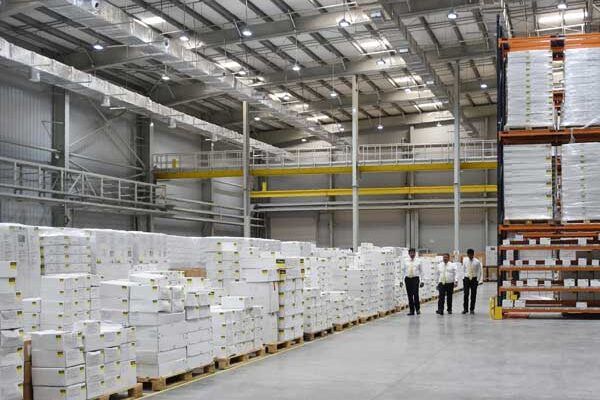
    Warehouse Rental

    The Benefits of Renting the Right Warehouse

    Renting the right warehouse offers several advantages that contribute to optimizing your supply chain. Firstly, it provides cost savings by reducing transportation expenses and minimizing the need for multiple storage locations. Secondly, it enhances operational efficiency by allowing for better inventory management and quicker order fulfillment. Finally, a well-located warehouse for rent can improve customer satisfaction by ensuring timely delivery of products.

    In addition to these benefits, renting a warehouse also offers flexibility. As your business grows, your storage needs may change. Renting allows you to easily upgrade to a larger space or move to a different location without the long-term commitment of owning a warehouse. This flexibility is especially valuable in a dynamic market like the UAE, where business conditions can change rapidly.

    Conclusion

    Optimizing your supply chain starts with choosing the right warehouse for rent. By carefully considering factors such as location, size, storage conditions, security, and accessibility, you can select a warehouse that meets your business needs and enhances your supply chain efficiency. In the competitive UAE market, a well-chosen warehouse for rent can be the key to staying ahead of the competition, reducing costs, and improving customer satisfaction. Whether you’re a small business or a large corporation, investing time in finding the perfect warehouse rental can have a significant impact on your overall business success.

  • Understanding ERP Evaluation – Key Considerations for Businesses

    Understanding ERP Evaluation – Key Considerations for Businesses

    Enterprise Resource Planning (ERP) structures have become basic to modern businesses, allowing them to organize operations, enhance effectiveness, and ensure data integration across all departments.

    However, before executing an ERP system, businesses need to conduct an all-encompassing evaluation to ensure the preferred solution joins with their unique necessities and goals.

    Why ERP Evaluation is Important

    · Assessing Business Needs

    The beginning of ERP evaluation involves resolving the specific needs, aims, and processes of the business. This contains identifying pain points, process inefficiencies, and regions that require bettering. Understanding these key aspects enables trades to select an ERP system that addresses their current challenges and supports future development.

    · Identifying Key Features

    Different ERP systems offer a wide range of looks and functionalities. During the evaluation process, trades must prioritize and label the key features that are essential for their operations. This may include modules for economic management, inventory control, supply chain administration, human resources, and consumer relationship management.

    · Scalability and Flexibility

    Businesses need to analyze the scalability and flexibility of the ERP arrangement. A scalable solution can evolve with misrepresentation and adapt to changeful needs over time.

    Additionally, flexibility in customization and unification capabilities is critical to ensure the ERP system may be tailored to meet distinguishing requirements without important disruptions to existing processes.

    · Vendor Selection

    Choosing the right ERP merchant is a critical conclusion that can greatly impact the success of the exercise. Businesses should judge vendors based on determinants such as opinion, industry experience, client support, scalability of the solution, and adjustment with trade goals. Requesting demos and remarks can provide valuable acumens into the vendor’s capabilities and track record.

    · Total Cost of Ownership (TCO)

    The total cost of ownership contains not only the upfront costs of purchasing and executing the ERP system but more ongoing expenses such as maintenance, upgrades, preparation, and support. Businesses should cautiously evaluate the TCO of each ERP solution to guarantee it aligns accompanying their budget and provides long-term worth.

    · Data Security and Compliance

    Data security is a detracting consideration when judging ERP systems, especially for trades handling delicate information. It is important to determine the security measures achieved by the ERP vendor, in addition to ensuring agreement with manufacturing regulations such as GDPR, HIPAA, or SOX.

    Best Practices for ERP Evaluation

    · Cross-Functional Team

    Form a cross-working team forming members from different areas to ensure an inclusive evaluation of the ERP structure’s suitability for all areas of deceiving someone.

    · Detailed Requirements Documentation

    Documenting detailed trade requirements and objectives will help evaluators join these with the countenance and functionalities offered for one ERP system under consideration.

    · Demos and Prototyping

    Request recording of music or speech and prototypes from ERP peddlers to understand in what way or manner the system works and by what it will meet the organization’s distinguishing needs. Hands-on experience can provide valuable judgments.

    Conclusion

    ERP judgment is a crucial step that trades must undertake to identify the right answer that meets their unique needs and aims. By carefully assessing trade requirements, labeling key features, evaluating merchants, considering scalability and adaptability, and analyzing the total cost of takeover.

    Ensuring data safety and compliance, trades can make informed resolutions that lead to favorable ERP implementations and maximize the benefits of these powerful arrangements.


  • Efficiency in Motion: How Air Cargo Trailer Rollerbed Systems Improve Logistics

    Efficiency in Motion: How Air Cargo Trailer Rollerbed Systems Improve Logistics

    In the fast-paced world of logistics, efficiency and speed are crucial. Air cargo plays a significant role in ensuring that goods are transported quickly across long distances, and within this sector, the innovation of air cargo trailer rollerbed systems has made a remarkable impact. These systems enhance the efficiency of cargo handling and transportation, streamlining operations and reducing costs. This article explores how air cargo trailer rollerbed systems contribute to improved logistics and their benefits for the industry.

    What Are Air Cargo Trailer Rollerbed Systems?

    Air cargo trailer rollerbed systems are specialized mechanisms designed to facilitate the smooth movement of cargo within air cargo trailers. These systems consist of a series of rollers or conveyor belts installed along the trailer’s floor, allowing for easy loading and unloading of goods. The primary function of these systems is to minimize manual handling, thereby reducing the time and labor required for cargo operations.

    Enhancing Loading and Unloading Efficiency

    One of the most significant advantages of air cargo trailer rollerbed systems is their ability to enhance loading and unloading efficiency. Traditional methods of cargo handling often involve manual labor, which can be time-consuming and prone to errors. Rollerbed systems, however, automate this process by using rollers to transport cargo from the trailer’s entrance to the desired location. This automation not only speeds up the process but also reduces the physical strain on workers, leading to increased operational productivity.

    Reducing Damage and Loss

    In addition to improving efficiency, rollerbed systems also play a crucial role in reducing cargo damage and loss. Manual handling of goods, particularly heavy or delicate items, carries a risk of accidental drops or mishandling. Rollerbed systems provide a controlled and smooth surface for cargo movement, minimizing the chances of damage during transit. The consistent and gentle transport offered by these systems helps ensure that goods arrive at their destination in optimal condition, thereby reducing the likelihood of financial loss due to damaged or lost cargo.

    Streamlining Operations and Reducing Costs

    The implementation of air cargo trailer rollerbed systems can significantly streamline operations within air cargo facilities. By automating cargo movement, these systems reduce the need for manual intervention, which can lead to a more organized and efficient workflow. This streamlined operation not only accelerates the handling process but also allows for better utilization of trailer space. The reduction in manual labor and the faster turnover of trailers contribute to cost savings for logistics companies, making rollerbed systems a valuable investment for the industry.

    Improving Safety and Compliance

    Safety is a top priority in logistics, and air cargo trailer rollerbed systems contribute to a safer working environment. The automation of cargo movement reduces the risk of workplace injuries associated with manual handling, such as strains and sprains. Additionally, these systems help ensure compliance with safety regulations by providing a standardized method for cargo handling. The consistent operation of rollerbed systems helps maintain a high level of safety, which is essential for meeting industry standards and regulatory requirements.

    Supporting Adaptability and Flexibility

    The logistics industry is continually evolving, and the ability to adapt to changing demands is crucial for success. Air cargo trailer rollerbed systems offer a high degree of adaptability and flexibility, making them suitable for a wide range of cargo types and sizes. The modular design of these systems allows for easy adjustments and configurations to accommodate different cargo requirements. This versatility ensures that air cargo operations can quickly adapt to new challenges and opportunities, supporting overall business growth and resilience.

    Future Trends and Innovations

    As technology continues to advance, air cargo trailer rollerbed systems are likely to see further innovations. Future developments may include enhanced automation features, such as integration with smart logistics platforms and real-time tracking systems. These advancements could further optimize cargo handling processes, providing even greater efficiency and accuracy. The ongoing evolution of rollerbed systems reflects the broader trends in the logistics industry, where technology plays a key role in driving operational improvements.

    Conclusion

    Air cargo trailer rollerbed systems represent a significant advancement in the logistics industry, offering numerous benefits that enhance efficiency, safety, and cost-effectiveness. By automating cargo movement and reducing manual handling, these systems streamline operations and improve the overall quality of service. As the logistics industry continues to evolve, air cargo trailer rollerbed systems will play an essential role in meeting the growing demands of global transportation, supporting the continued success and growth of the sector.


  • Payroll audits: preparing your business for a smooth process

    Payroll audits: preparing your business for a smooth process

    Payroll audits are a critical component of business operations, ensuring compliance with tax laws and regulations while safeguarding against potential financial discrepancies and fraud. Despite their importance, the prospect of a payroll audit can often invoke stress and uncertainty among businesses. However, with proper preparation and understanding, businesses can navigate the audit process smoothly and efficiently. This blog post explores key strategies for preparing your business for a payroll audit, focusing on steps that are frequently overlooked.

    Understanding the scope of payroll audits

    A payroll audit examines a business’s payroll processes to verify the accuracy of payroll disbursements, including wages, taxes, and other deductions. While the thought of an audit may be daunting, its purpose is not only to ensure compliance but also to identify areas for improvement in payroll processes. An audit can be initiated for various reasons, such as random selection by a regulatory body, discrepancies noted during routine filings, or as part of a company’s internal controls.

    Steps for smooth audit preparation

    Maintain comprehensive payroll records: the foundation of a smooth audit process is the maintenance of detailed and organized payroll records. This includes not just pay stubs and tax filings but also time sheets, wage calculations, and records of benefits and deductions. Businesses should ensure these records are easily accessible and stored for the required retention period, which varies by jurisdiction.

    Understand payroll compliance requirements: staying informed about the constantly evolving payroll regulations is crucial. This involves not just federal and state tax laws but also local ordinances related to minimum wage, overtime, and sick leave. Businesses can consider subscribing to regulatory updates or working with a payroll service provider that offers compliance support.

    Regularly review payroll practices: conducting internal payroll audits regularly can help identify and rectify issues before they become significant problems. These internal reviews should examine the accuracy of payroll calculations, adherence to tax withholding requirements, and the proper classification of employees and contractors.

    Implement segregation of duties: a critical but often overlooked aspect of preparing for a payroll audit is the implementation of internal controls, such as the segregation of duties within the payroll process. This practice reduces the risk of errors and fraud by ensuring that no single individual has control over all aspects of the payroll process.

    Prepare for common audit focus areas: while each payroll audit can vary, certain areas are commonly scrutinized. These include the verification of employee classifications (to distinguish between employees and independent contractors), examination of overtime payments and compliance with wage and hour laws, and validation of tax withholdings and filings. Preparing detailed documentation and rationales for these areas can expedite the audit process.

    Educate your team: ensure that your payroll and hr teams are aware of the audit process and understand their roles in maintaining compliance and recordkeeping. Consider holding training sessions or workshops to review audit procedures and best practices.

    Conclusion

    While the prospect of a payroll audit may seem daunting, thorough preparation and a proactive approach to compliance can significantly ease the process. By maintaining comprehensive records, staying informed about regulatory requirements, regularly reviewing payroll practices, implementing robust internal controls, and preparing for common audit focus areas, businesses can navigate payroll audits confidently. Ultimately, these audits serve not just as a compliance check but as an opportunity to refine and improve payroll processes, contributing to the overall health and efficiency of the business.


  • Scott Tominaga On DIY Vs Professional Financial Plans for Business 

    Scott Tominaga On DIY Vs Professional Financial Plans for Business 

    Whether to hire an expert when you are developing a financial plan for your business is a common question. Everyone knows that financial experts can develop detailed plans that match the exact business requirements. However, due to high charges often people back away from hiring anyone. Under the encouragement of someone like Scott Tominaga, people opt for professional guidance in making financial plans due to some unavoidable reasons.  

    Scott Tominaga On Benefits of Professional Financial Plans

    Financial professionals have experience and expertise in developing financial plans. They understand the difficulties of financial forecasting, budgeting, and risk management. Professionals have industry-specific knowledge that can help develop your financial plan to address your specific needs. Professionals use advanced tools and techniques to ensure your financial plan is accurate. They can perform in-depth financial analyses and provide precise projections. Professionals are less likely to make mistakes or overlook important details. This can be crucial for your business’s financial health.

    Developing a financial plan can be time-consuming. You can save time if you work with experts. Financial experts can help identify potential risks and develop strategies to reduce them. Their insights can protect your business from financial challenges and ensure long-term stability.

    Benefits of DIY Financial Plans for Business

    You can save a lot of money if you go for DIY plans. This can be particularly beneficial for startups and small businesses with tight budgets. DIY financial planning allows you to customize your plan to match to your business’s unique needs and goals. You can adjust the plan as needed without having to consult with a professional. It makes it easier to respond to changing business conditions.

    Challenges of DIY Financial Plans for Business

    Without professional training, you may lack the necessary expertise to create an accurate financial plan. This can lead to errors that could impact your business’s financial health. Financial planning involves complex calculations and analysis. Without experience, you may find it challenging to handle these difficulties effectively.

    How to Find the Right Professional for Developing Financial Plans for Business

    Finding the right professional is essential in this matter. Begin by determining your needs. Think about budgeting, forecasting, tax planning, and risk management. This will help you find a professional with the right expertise. Hire professionals with experience in your industry. They will be familiar with industry-specific financial challenges and opportunities. You should always check references and read reviews from other clients to gauge the professional’s reputation and track record. A wrong hire can ruin your entire plan and also your business objectives. This is why, invest time in hiring the right professional. 

    Both DIY and professional financial plans have their advantages and challenges as per Scott Tominaga. A DIY approach can offer cost savings and greater control but it may come with the risk of inaccuracy and a wide array of errors. On the other hand, hiring a professional can provide expertise, precision, and time savings but involves additional costs. Consider your business’s specific needs, resources, and long-term goals before hiring anyone. Remember a financial expert is an associate who is going to help you grow your business. Therefore, make decisions after careful consideration. 

  • Charles Spinelli Highlights Some of the Most Common Types of Business Insurance 

    Charles Spinelli Highlights Some of the Most Common Types of Business Insurance 

    Business insurance can be vital to the risk management strategy of any company. It can effectively protect a business from distinctive types of risks, including liability, employee injury and property damage. As per Charles Spinelli,  business insurance can also help an enterprise to recover from losses due to business interruption. There are many different types of business insurance available today. The coverage chosen by an entrepreneur would depend on the specific needs of their business.  

    Charles Spinelli lists a few of the common types of business insurance

    Business insurance provides companies with much needed financial protection from unfortunate scenarios that could have otherwise cost them several thousands of dollars in income. As a company carves out its path to success, they may have to face a number of situations that have an adverse impact on their profitability. While natural calamities and accidents may take a huge chunk out of their revenue, mistakes and negligence can lead to costly lawsuits. Having the appropriate business insurance coverage in place has a major role to play in helping their business recover faster.

    As every company faces their own share of unique risks and challenges, there is no such one-size-fits-all policy that covers every need. The type of insurance that companies shall need will rely on several factors, including their size, business activities and location.  Here are some of the most common types of business insurance:

    • General liability insurance: Also known as business liability or public liability coverage, general liability insurance protects companies against claims of property damage or bodily injury which results from distinctive business activities. Such a type of policy can also provide coverage for reputational harm and copyright infringement.
    • Professional liability insurance: Commonly referred to as errors and omissions (E&O) or malpractice insurance, this type of business insurance coverage protects a company from work-related claims. These claims can be related to mismanagement and discrimination. Professional liability insurance also covers legal and settlement costs arising from service-related mistakes and oversights, budget overruns, unfinished work, breach of contract, among others. In addition to covering the directors and executive management, professional liability insurance also provides coverage for the staff and the business itself.
    • Product liability insurance: For any company that sells products, having a product liability insurance can be a good idea. Such a policy is meant to protect a business from lawsuits from customers claiming losses or injury because of their product. Product liability insurance may even cover legal defence expenses and compensation in case the business is found to be at fault.
    • Commercial property insurance: This type of business insurance is meant to minimize disruption to the daily operations of a company by providing compensation for damages or losses related to the property or building the business operates in, or the equipment and technology the company uses.

    As per Charles Spinelli, taking out business insurance coverage is just a single facet of how business organizations of today can minimize their losses. Effectively paring this coverage with a robust risk management practice would be a more effective way for businesses to protect their assets and finances.

  • What is B2B Ecommerce? 

    What is B2B Ecommerce? 

    Successful B2B ecommerce platforms are designed to integrate seamlessly with existing business systems, enhancing efficiency and streamlining operations. This integration ensures that various processes, such as inventory management, customer relationship management, and accounting, work together without disruption. By effectively connecting b2b ecommerce with existing systems, businesses can optimize their operations, reduce errors, and improve customer experiences. 

    Let us delve into five ways successful B2B ecommerce platforms achieve seamless integration.

    Real-time data synchronization 

    Seamless integration allows for real-time data synchronization between the ecommerce platform and existing business systems. This means that inventory levels, customer information, and order statuses are always up-to-date across all systems. Real-time updates prevent discrepancies and ensure smooth operations.

    Automated order processing

    Successful B2B ecommerce platforms automate order processing by connecting with ERP and CRM systems. This automation reduces manual input, speeds up order fulfillment, and minimizes the risk of errors. It also ensures that customer orders are processed quickly and accurately.

    Unified customer profiles

    Integration with CRM systems allows B2B ecommerce platforms to create unified customer profiles. These profiles contain detailed information about each customer’s preferences, order history, and interactions. Unified profiles enable personalized experiences and better customer service.

    Streamlined accounting and billing

    Integrating B2B ecommerce platforms with accounting software simplifies billing and financial management. Transactions are automatically recorded, invoices are generated, and payments are tracked without manual intervention. This streamlining reduces the workload for finance teams and improves accuracy.

    Enhanced supply chain management

    Successful integration with supply chain management systems allows B2B ecommerce platforms to optimize procurement and inventory management. This ensures that stock levels are maintained, and supply chain disruptions are minimized. Enhanced management leads to more efficient operations and better customer satisfaction. 

    Final words 

    Seamless integration between B2B ecommerce platforms and existing business systems is crucial for optimizing operations, reducing errors, and providing excellent customer service.