Blog

  • Why Choose Waverley Forklifts for Your Next Forklift Rental in Australia

    Why Choose Waverley Forklifts for Your Next Forklift Rental in Australia

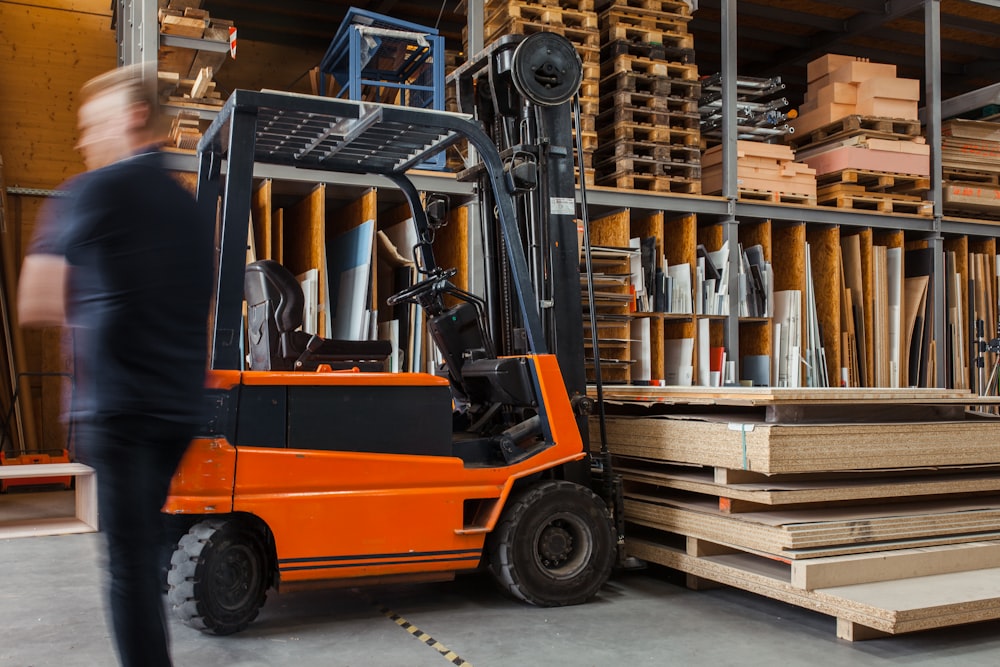
    When looking for a forklift rental service, it is critical that you select the correct one for your organization. There are several options available in Australia, each with its own set of services and benefits. I’d like to give you a brief, straightforward explanation of how to find the best forklift rental company and why Waverley Forklifts is the best.

    Figuring out what you need

    To begin, think about your specific demands. Determine what kind of truck you’ll need. Forklifts of various types, such as standard counterbalance forklifts, forklift reach truck, and telehandlers, can accomplish this task effectively. Each type serves a specific purpose and can endure a range of terrain and loads. Knowing what you need for your business will help you select the appropriate equipment.

    Looking at the service options

    Next, consider the various services that rental companies provide. Look for organizations that provide a wide range of services, including short- and long-term employment, telehandler hire, repairs, maintenance, and operator training. By providing a diverse range of services, you can fulfill all your forklift requirements in one location, thereby saving time and money.

    Coverage and availability

    Think about the location and frequency of the rental service. Check to see if the company operates in your area and can respond promptly to repairs and service requests. For example, Waverley Forklifts has locations in major cities, including Melbourne, Sydney, Brisbane, Perth, and Adelaide, allowing them to reach a large number of individuals.

    Quality and maintenance

    The rental fleet’s quality and upkeep are extremely crucial. A well-maintained fleet minimizes downtime and ensures that operations function smoothly. Check to verify if the company has a fresh fleet of vehicles with a strict maintenance schedule. Waverley Forklifts has a fleet of over 3,000 units, including all-terrain forklifts, LPG and diesel forklifts, and battery-electric forklifts. Their commitment to regular maintenance keeps their tools in excellent condition and ready for use.

    Safety

    Safety should always come first. Check to see if the rental provider follows strict safety guidelines and offers worker training. Proper training reduces the likelihood of accidents and increases the productivity of workers. Waverley Forklifts can develop training programs to ensure that your employees understand how to operate the equipment safely and successfully.

    Customer service and help

    Support and customer service are really crucial. A swift and helpful rental service can have a significant impact on the way your organization operates. Look for companies that provide support 24 hours a day, seven days a week, and have a good reputation for customer service. Waverley Forklifts places a high priority on client satisfaction, ensuring prompt and correct resolution of any issues.

    Reputation and work history

    The rental company’s reputation and experience play a significant role. Companies that have been around for a long time and have a wealth of experience are more likely to provide dependable and high-quality service. Waverley Forklifts is a family-owned company with over 50 years of experience in the shipping and forklift industries. Their consistent development and influence over time demonstrate how dependable and effective their service is.

    Flexibility

    A hiring service must be versatile and customizable. Because your business’s needs can change, the leasing service should be adaptable. Waverley Forklifts allows you to customize your rental terms, so they can fulfill your needs for both short and extended periods of time. Customizing them to meet your requirements makes them a flexible and simple option.

    Affordability

    When making a decision, cost is always a concern. It is critical to select a low-cost solution while maintaining quality and service. Compare the pricing and services provided by various businesses to get the most value for your money. Waverley Forklifts offers inexpensive prices without sacrificing the quality of their services and equipment.

    Meeting Demands

    Businesses must be able to rely on a forklift rental provider in Melbourne, Sydney, Brisbane, Perth, and Adelaide. Every location has unique requirements, and Waverley Forklifts provides solutions designed to meet those demands. Because they are in multiple locations, they can readily address the demands of the people in those areas.

    Conclusion

    When searching for the finest forklift hire Brisbane or elsewhere in Australia, consider your specific requirements, service alternatives, fleet quality, safety standards, customer service, reputation, flexibility, and pricing. Waverley Forklifts is an excellent pick because they have extensive knowledge, provide a wide range of services, and care about their clients’ satisfaction. They cover a lot of land and keep their fleet in top condition, so you can trust them to help you rent a forklift in Australia.


  • The benefits of integrating bookkeeping with business intelligence tools

    The benefits of integrating bookkeeping with business intelligence tools

    In today’s data-driven business landscape, the integration of bookkeeping with business intelligence (bi) tools represents a significant advancement for companies aiming to leverage their financial data for strategic decision-making. While the core function of bookkeeping is to record financial transactions, business intelligence tools analyze this data to uncover insights, predict trends, and inform business strategies. This synergy between bookkeeping and bi can transform raw data into a powerful asset for business growth. This blog post explores the benefits of integrating bookkeeping with bi tools, highlighting advantages that go beyond the conventional understanding.

    Enhanced financial visibility and insight

    Traditional bookkeeping provides a historical view of financial transactions, but integrating these records with bi tools offers a dynamic and comprehensive analysis of a company’s financial health. Bi tools can aggregate data from various sources, presenting it in intuitive dashboards and reports. For instance, a study by aberdeen group found that companies using bi tools experienced a 6% improvement in profitability over a two-year period, underscoring the direct impact of enhanced financial visibility on the bottom line.

    Data-driven decision making

    The integration of bookkeeping with bi tools empowers businesses to make informed decisions based on real-time data and analytics. This approach shifts decision-making from a reactive to a proactive stance, allowing businesses to anticipate market changes, identify opportunities for cost savings, and optimize revenue streams. According to gartner, through 2022, 85% of business strategies will be based on data-driven decisions, highlighting the growing reliance on analytics for strategic planning.

    Improved operational efficiency

    Bi tools can identify inefficiencies and bottlenecks in business operations by analyzing financial and operational data together. This insight allows businesses to streamline processes, reduce waste, and improve overall efficiency. For example, bi analysis can reveal patterns in payment delays, inventory turnover rates, or operational costs, providing actionable insights to enhance operational workflows and financial management.

    Customized reporting and forecasting

    One of the key benefits of integrating bookkeeping with bi tools is the ability to create customized reports and forecasts tailored to specific business needs. Bi tools can process vast amounts of data to generate predictive models and what-if scenarios, helping businesses plan for future growth, manage cash flow, and anticipate financial challenges. Customized reporting also enables businesses to track performance against kpis and adjust strategies in real time.

    Competitive advantage

    In a competitive business environment, the ability to quickly adapt and respond to market trends can be a significant advantage. By leveraging the insights generated from the integration of bookkeeping and bi tools, businesses can identify emerging trends, assess competitive landscapes, and adjust strategies to maintain or gain market share. This agility, informed by data-driven insights, can differentiate a business in its market.

    Enhanced collaboration across departments

    Integrating bookkeeping with bi tools breaks down silos between finance and other departments, fostering a culture of collaboration and shared insights. Financial data becomes accessible and relevant to various teams, supporting cross-departmental initiatives and aligning efforts towards common business goals. This collaborative approach ensures that strategic decisions are informed by a holistic view of the company’s operations and financial health.

    Conclusion

    The integration of bookkeeping with business intelligence tools represents a forward-thinking approach to financial management, offering benefits that extend far beyond traditional record-keeping. By transforming financial data into actionable insights, businesses can enhance decision-making, improve operational efficiency, and secure a competitive edge in the marketplace. As the business world becomes increasingly data-centric, the synergy between bookkeeping and bi tools will continue to be a critical factor in driving business success and innovation.

  • The Intersection of Facilities Management and Corporate Social Responsibility

    The Intersection of Facilities Management and Corporate Social Responsibility

    In the contemporary business landscape, corporate social responsibility (CSR) has become a cornerstone of corporate strategy, influencing not just brand reputation but also operational practices across departments. Facilities management services play a critical role at this intersection, especially in enhancing a company’s CSR initiatives concerning environmental sustainability and social responsibility. This article examines how effective facilities management can significantly contribute to these areas, reinforcing a company’s commitment to CSR.

    Defining the Role of Facilities Management in CSR

    Strategic CSR Integration

    Facilities management involves overseeing the physical aspects and operations of business locations, which includes ensuring that buildings and services align with broader corporate goals of sustainability and social responsibility. Effective integration of CSR principles into facilities management can lead to substantial improvements in resource efficiency, waste reduction, and the wellbeing of employees and communities.

    Environmental Stewardship

    A key component of CSR in facilities management is environmental stewardship, which encompasses initiatives like energy efficiency, sustainable resource usage, and minimizing the ecological footprint of business operations. These practices not only contribute to the environmental goals of CSR but also often result in significant cost savings.

    Enhancing Environmental Sustainability

    Energy Management

    One of the primary ways facilities management contributes to CSR is through energy management. Implementing energy-efficient technologies, optimizing HVAC systems, and transitioning to renewable energy sources are actions that facilities managers can take to reduce energy consumption and greenhouse gas emissions. This not only supports environmental objectives but also aligns with global standards and regulations aimed at combating climate change.

    Sustainable Building Practices

    The adoption of green building standards, such as LEED (Leadership in Energy and Environmental Design) or BREEAM (Building Research Establishment Environmental Assessment Method), is another area where facilities management intersects with CSR. Facilities managers play a crucial role in ensuring that new builds and renovations meet these standards, incorporating sustainable materials and practices that reduce environmental impact.

    Social Responsibility Through Facilities Management

    Enhancing Employee Wellbeing

    Facilities management impacts social aspects of CSR by creating healthier and more productive workplace environments. This includes ensuring good indoor air quality, adequate natural lighting, and ergonomic workspaces that contribute to the physical and mental health of employees. Additionally, facilities managers can implement designs that facilitate better accessibility for all employees, including those with disabilities, promoting inclusivity and fairness in the workplace.

    Community Engagement

    Facilities management can also extend its influence to the wider community by engaging in initiatives that support local development. This could include sourcing materials and labor locally where possible, engaging with community projects, or opening up facilities for local events. Such activities not only enhance the company’s community relations but also build its reputation as a socially responsible business.

    Sustainable Procurement Practices

    Ethical Sourcing

    Facilities management can drive CSR initiatives through sustainable procurement practices. This involves selecting suppliers and contractors who also adhere to environmental and social governance standards. By prioritizing partnerships with other socially responsible companies, facilities managers can extend the CSR impact of their procurement decisions.

    Lifecycle Considerations

    Incorporating lifecycle considerations into the procurement process is another effective strategy. Facilities managers need to consider not just the initial cost and functionality of materials and equipment but also their durability, maintainability, and disposability. Choosing products that are more durable and easier to maintain can reduce long-term waste and costs, contributing to environmental sustainability goals.

    Reporting and Compliance

    Transparency and Accountability

    Facilities management contributes to CSR by ensuring transparency and accountability in reporting the environmental and social impacts of operational practices. This involves not just internal reporting to inform corporate decision-making but also external reporting to stakeholders, regulatory bodies, and the public.

    Compliance with Regulations

    Staying compliant with environmental and social regulations is a fundamental aspect of CSR. Facilities managers must ensure that all operations are compliant with local, national, and international regulations, thereby safeguarding the organization against legal and reputational risks.

    Conclusion

    The intersection of facilities management and corporate social responsibility is both dynamic and influential, offering substantial opportunities to enhance a company’s commitment to ethical, sustainable practices. Through strategic energy management, sustainable building practices, ethical sourcing, and proactive community engagement, facilities management can significantly advance a company’s CSR objectives. As businesses increasingly recognize the importance of CSR in their corporate strategy, the role of facilities management will continue to evolve, playing a crucial part in aligning operational practices with the ethical standards that today’s stakeholders demand.

  • Where Do Leading Businesses Find Premium Office Space in Billings, Montana?

    Where Do Leading Businesses Find Premium Office Space in Billings, Montana?

    Selecting the right office space is a decision that affects your business’s productivity, client perceptions, and employee satisfaction. If your business is considering relocating or establishing new headquarters in Billings, Montana, you should prioritize finding a location that not only reflects your company’s prestige but also offers the best in modern amenities and services. United Properties, Inc. emerges as a top contender in this area. Here’s why they stand out and why you might consider them for your next office space.

    Reputation and History of Excellence

    United Properties, Inc. is not just another commercial real estate developer. With a history stretching back to the 1930s, they have evolved through decades, demonstrating a deep commitment to the development of Billings. This family-owned enterprise has grown from its foundational engineering and entrepreneurial roots under Malcolm G. Long to a significant force in commercial real estate under the guidance of his descendants.

    Their connection to Billings is not just about business; it’s about a legacy of community investment. This legacy is visible in their contributions to education, culture, and the arts in the region, underscoring their role as more than just a business entity but a vital part of the community fabric.

    Strategic Location and High-Quality Facilities

    Located in the vibrant heart of downtown Billings, United Properties offers premier Class A office spaces. The First Interstate Center, being the tallest building in Montana, provides not only stunning views of the Beartooth Mountain Range and Yellowstone River but also a symbol of business prominence and success. Additionally, their management of the Transwestern Plaza adds versatile options for businesses looking for modern and technologically equipped spaces.

    Their strategic locations are close to essential amenities and transport links, including Billings Logan International Airport and the Medical Corridor. This makes United Properties an ideal choice for businesses looking to leverage convenience for both clients and employees.

    Flexible and Diverse Office Solutions

    One of United Properties’ strengths lies in their adaptability to meet diverse business needs. Whether your business requires a fully furnished office ready for immediate move-in or a bespoke space that reflects your unique brand, they offer both. This flexibility is crucial for businesses in dynamic fields such as legal, technology, consulting, and healthcare, which may have specific requirements for their office environments.

    Their offerings cater to a broad spectrum of professional services, from corporate headquarters and legal firms to co-working spaces and healthcare providers. This versatility ensures that whether a business is a startup or a well-established enterprise, there are suitable options available.

    Why Choose United Properties Over Others?

    Choosing United Properties over other real estate providers in Billings boils down to their unmatched combination of heritage, location, flexibility, and commitment to community. Their deep-rooted history in Billings provides them with unique insights into the local market, which translates into better real estate solutions for their clients.

    Moreover, their leadership team, including Vincent Mistretta and Danna Newell, brings a blend of local dedication and broad corporate experience, ensuring that their clients receive professional and insightful service.

    When selecting a luxury office building in Billings, it is essential to consider not just the physical aspects of the property but also the reliability and ethos of the managing company. United Properties, Inc. offers a compelling package of benefits that can enhance your business’s operation and image. Their commitment to quality and community makes them a noteworthy option for any business aiming to establish itself in Billings.

  • What Makes Sign Products Inc. the Preferred Signage Partner in Montana and Wyoming?

    What Makes Sign Products Inc. the Preferred Signage Partner in Montana and Wyoming?

    When selecting a sign service provider, several factors should guide your decision: experience, range of services, local knowledge, and financial flexibility. In Montana and Wyoming, one company that meets these criteria with a strong reputation is Sign Products Inc.

    Experience and Expertise

    Since 1937, Sign Products Inc. has served as a cornerstone in the sign industry in Montana and Wyoming. With over eighty years of experience, this company offers a wealth of knowledge and a proven track record in the design, manufacturing, and installation of signs. Such longevity in business is indicative of their ability to adapt and continuously provide quality services.

    Comprehensive Services

    Sign Products Inc. stands out because of its extensive range of services that accommodate virtually any signage need. Whether you require traditional signage such as neon displays and fabric awnings or more modern solutions like full-color LED message centers, they have the capability to deliver. Additionally, their services are not just limited to creating new signs. They offer maintenance and repair for signs, even those not originally produced by them, which is a significant advantage for maintaining the longevity of your investments.

    Local Knowledge

    Operating locally gives Sign Products Inc. a distinct advantage. They understand the specific marketing challenges that Montana and Wyoming business owners face. This local perspective is crucial when designing signs that need to appeal to a regional audience and adhere to local regulations. Their signs are not only installations but also strategic marketing tools designed to enhance local engagement.

    Financial Flexibility

    Recognizing that financial considerations play a crucial role in decision-making for businesses, Sign Products Inc. offers flexible payment options. This includes their own Operating Lease, which not only fits different budgets but also covers maintenance, property taxes, and insurance, making it a financially attractive option for many businesses. The ability to accept most major credit cards further removes barriers to accessing their services.

    Quality and Reliability

    The quality of work at Sign Products Inc. is supported by their state-of-the-art 20,000-square-foot manufacturing facility. With advanced technology and a team of skilled professionals, they ensure that each sign is crafted with precision and designed to last. Their commitment to using local resources also means that every dollar spent with them feeds back into the local economy, supporting community growth and prosperity.

    Client-Centered Approach

    Perhaps one of the most critical factors in their service is the client-centered approach. Sign Products Inc. does not merely sell signs; they collaborate with clients to transform visions into tangible assets that reflect the business’s identity and message. Their award-winning design team works closely with clients to ensure that every sign is not only visually appealing but also effective in communicating the brand’s message.

    Conclusion

    Choosing the right sign service provider is crucial for your business’s visibility and brand communication. In Montana and Wyoming, Sign Products Inc. offers a blend of experience, comprehensive service range, local expertise, financial flexibility, and a commitment to quality and community support. They stand as a reliable choice for any business looking to make a significant impact through quality signage. For those in search of a service provider that values quality, client satisfaction, and community involvement, Sign Products Inc. is a recommended choice.

  • The Future of Paper in a Digital World: Is Paper Becoming Obsolete?

    The Future of Paper in a Digital World: Is Paper Becoming Obsolete?

    In the age of digital transformation, the question of whether paper is becoming obsolete is increasingly relevant. As technology continues to evolve and digital solutions proliferate, the role of paper is under intense scrutiny. From e-books and digital notepads to cloud storage and online banking, the convenience and efficiency of digital alternatives appear to overshadow traditional paper like printerpapir tilbud. However, the reality is more nuanced. This article explores the future of paper in our digital world, examining the trends, challenges, and enduring relevance of paper.

    The Digital Transformation

    The digital revolution has brought about significant changes across various sectors. Businesses, educational institutions, and even governments are adopting digital solutions to streamline operations and enhance productivity. Here are some of the key areas where digital transformation is impacting the use of paper:

    1. Communication: Email, instant messaging, and video conferencing have largely replaced traditional mail and face-to-face meetings. The speed and convenience of digital communication are undeniable.
    2. Documentation and Storage: Cloud storage solutions like Google Drive, Dropbox, and OneDrive allow for easy access and sharing of documents, reducing the need for physical storage.
    3. Education: E-books, online courses, and digital libraries provide students and educators with vast resources at their fingertips, diminishing the reliance on physical textbooks and paper-based learning materials.
    4. Finance: Online banking, electronic statements, and digital payment systems have significantly reduced the use of paper in financial transactions.
    5. Healthcare: Electronic health records (EHRs) and telemedicine are transforming patient care, reducing the need for paper records and physical consultations.

    The Environmental Impact

    One of the strongest arguments for reducing paper usage is its environmental impact with the help of Cares. Paper production contributes to deforestation, water consumption, and energy use. The carbon footprint of producing and transporting paper is significant, and paper waste remains a major issue despite recycling efforts.

    Digital solutions, on the other hand, promise a greener alternative. However, they are not without their environmental costs. Data centers, which power our digital world, consume vast amounts of energy and water. The production and disposal of electronic devices also pose significant environmental challenges. Therefore, while reducing paper usage is beneficial, it is crucial to consider the full environmental impact of digital alternatives.

    The Enduring Relevance of Paper

    Despite the rise of digital solutions, paper continues to hold significant value in various contexts. Here are some reasons why paper is not likely to become entirely obsolete:

    1. Tactile Experience: The physical feel of paper can enhance the reading and writing experience. Many people find reading on paper more enjoyable and less straining on the eyes compared to screens.
    2. Reliability: Paper does not require electricity or internet access, making it a reliable medium in situations where digital devices may fail or be impractical.
    3. Legal and Formal Documents: In many jurisdictions, paper documents are still required for legal purposes. Contracts, wills, and certificates often need to be in physical form to be legally binding.
    4. Archival Stability: Paper can last for centuries if stored properly, whereas digital formats may become obsolete or corrupted over time. Important historical documents and archives often rely on paper for long-term preservation.
    5. Personal Preference: Despite the convenience of digital tools, some people prefer paper for note-taking, journaling, and personal correspondence.

    The Hybrid Approach

    As we navigate the digital era, a hybrid approach that combines both digital and paper solutions may be the most practical path forward. This approach leverages the strengths of both mediums to meet different needs effectively.

    1. Digital for Efficiency: Use digital tools for tasks that benefit from speed, accessibility, and easy collaboration. Examples include emails, digital documents, and online research.
    2. Paper for Specific Needs: Maintain paper for tasks that benefit from its tactile nature, reliability, and long-term stability. Examples include important legal documents, personal journals, and printed books.

    Innovations in Paper and Digital Integration

    Innovations are emerging that bridge the gap between paper and digital. These technologies aim to combine the advantages of both mediums, providing seamless integration and enhancing user experience.

    1. Digital Notepads and Smart Pens: Devices like the Rocketbook and Livescribe smartpen allow users to write on paper while simultaneously digitizing their notes. This hybrid approach provides the tactile experience of writing on paper with the convenience of digital storage and sharing.
    2. Augmented Reality (AR): AR can bring static paper documents to life. For example, scanning a printed page with an AR-enabled device can reveal additional digital content, such as videos or interactive graphics.
    3. Paper with Embedded Technology: Innovations like NFC (Near Field Communication) chips embedded in paper can link physical documents to digital content, providing a bridge between the two worlds.
    4. Eco-Friendly Paper Alternatives: Sustainable alternatives to traditional paper, such as recycled paper and paper made from non-wood sources like hemp and bamboo, reduce environmental impact while maintaining the benefits of paper.

    The Role of Paper in a Post-Pandemic World

    The COVID-19 pandemic has accelerated digital transformation across many sectors. Remote work, online education, and telehealth have become more prevalent, further reducing the reliance on paper. However, this shift also highlighted the importance of paper in certain situations.

    For example, during the pandemic, the demand for paper products such as packaging materials and hygiene products (e.g., paper towels and tissues) surged. Additionally, the need for printed educational materials remained crucial for students without reliable internet access.

    The Future Outlook

    The future of paper in a digital world will likely be characterized by coexistence rather than complete replacement. While digital solutions will continue to dominate in areas where they offer clear advantages, paper will remain relevant in contexts where its unique properties are valued.

    1. Sector-Specific Trends:
      • Education: Blended learning models that combine digital resources with printed materials are likely to continue, catering to diverse learning preferences and needs.
      • Healthcare: While electronic health records are becoming standard, paper may still be used for certain patient communications and documentation, especially in regions with limited digital infrastructure.
      • Business: Digital transformation will drive efficiency, but paper will remain important for official records, legal documents, and situations where a physical presence is required.
    2. Cultural and Psychological Factors: The cultural significance and psychological comfort associated with paper should not be underestimated. For many, paper represents a tangible connection to information and history.
    3. Environmental Considerations: Efforts to reduce paper waste and promote sustainable practices will continue. The paper industry is likely to innovate towards more environmentally friendly production methods and materials.

    Conclusion

    In conclusion, while the digital revolution is transforming many aspects of our lives, the notion that paper is becoming obsolete is an oversimplification. Paper continues to hold value for its tactile experience, reliability, and archival stability. A hybrid approach that leverages the strengths of both paper and digital mediums is emerging as the most practical way forward. Innovations that integrate paper and digital technologies further highlight the potential for coexistence and complementarity. As we move into the future, both paper and digital solutions will play crucial roles in meeting the diverse needs of individuals and organizations.

  • The Ultimate Guide to Moving: Tips and Strategies for a Smooth Transition

    The Ultimate Guide to Moving: Tips and Strategies for a Smooth Transition

    Moving to a new home can be both an exciting and daunting experience. Whether you’re relocating across town or to a new country, the process involves careful planning, organization, and execution but it can be done easily with the help of good professionals like Kontorflytting oslo. This comprehensive guide provides you with valuable tips and strategies to ensure a smooth and stress-free move.

    1. Planning Your Move

    Start Early

    The key to a successful move is to start planning as early as possible. Give yourself at least 8-12 weeks to prepare. This timeline allows you to handle each step methodically, reducing last-minute stress.

    Create a Moving Checklist

    A moving checklist is essential for keeping track of tasks and ensuring nothing is overlooked. Break down the checklist by weeks, and include tasks such as:

    • Decluttering your home
    • Gathering packing supplies
    • Scheduling movers
    • Updating your address
    • Transferring utilities

    Budget for Your Move

    Moving can be expensive, so it’s crucial to set a budget. Consider costs such as hiring movers, purchasing packing supplies, travel expenses, and potential storage fees. Having a clear budget helps you avoid unexpected expenses and manage your finances effectively.

    2. Decluttering and Organizing

    Sort and Declutter

    Before you start packing, take the time to declutter your home. Sort through your belongings and decide what to keep, donate, sell, or discard. This process reduces the volume of items to pack and helps you start fresh in your new home.

    Organize by Category

    Organize your items by category rather than by room. This method, inspired by the KonMari method, allows you to see how much you have of each item and make more informed decisions about what to keep.

    3. Packing Efficiently

    Gather Packing Supplies

    Ensure you have all necessary packing supplies, including:

    • Sturdy boxes in various sizes
    • Packing tape
    • Bubble wrap
    • Packing paper
    • Labels and markers

    Pack Room by Room

    Pack one room at a time to stay organized. Label each box with its contents and the room it belongs to in your new home. This practice simplifies the unpacking process and helps movers place boxes in the correct rooms.

    Protect Fragile Items

    Use bubble wrap, packing paper, and blankets to protect fragile items. Clearly mark boxes containing breakables with “Fragile” and ensure they are loaded securely in the moving truck.

    4. Hiring Professional Movers

    Research and Compare Movers

    Do thorough research to find reputable moving companies like Flyttebyrå. Read reviews, get recommendations, and compare quotes from multiple movers. Ensure the company is licensed and insured for your peace of mind.

    Schedule Early

    Book your moving company well in advance, especially if you’re moving during peak season (spring and summer). Early booking ensures you get the desired moving date and time.

    Communicate Clearly

    Provide your movers with detailed information about your move, including special instructions for handling fragile or valuable items. Clear communication helps prevent misunderstandings and ensures a smoother move.

    5. Moving Day Tips

    Prepare an Essentials Box

    Pack an essentials box with items you’ll need immediately upon arrival at your new home. Include toiletries, a change of clothes, important documents, medications, snacks, and basic kitchen supplies.

    Supervise the Move

    Be present on moving day to supervise the process. Direct the movers as needed and ensure all your belongings are handled with care.

    Check Inventory

    Before the movers leave, check the inventory to ensure all your items have been delivered. Report any missing or damaged items to the moving company promptly.

    6. Settling into Your New Home

    Unpack Strategically

    Unpack the essentials first, such as kitchen items, bathroom supplies, and bedding. Gradually work through the remaining boxes, focusing on one room at a time.

    Update Your Address

    Notify important parties of your new address, including the post office, banks, insurance companies, and subscription services. Update your address on your driver’s license and vehicle registration as well.

    Explore Your New Neighborhood

    Take the time to explore your new neighborhood. Locate nearby amenities such as grocery stores, pharmacies, schools, and parks. Getting acquainted with your surroundings helps you feel more at home.

    7. Tips for Moving with Children and Pets

    Prepare Children for the Move

    Moving can be challenging for children. Involve them in the process by explaining what to expect and letting them help pack their belongings. Maintain a positive attitude to help ease their anxiety.

    Maintain Routines

    Try to maintain your children’s routines as much as possible during the move. Familiar routines provide stability and comfort during the transition.

    Plan for Pets

    Moving can be stressful for pets too. Keep them in a quiet and secure area during the move, and transport them in a comfortable carrier. Once in your new home, gradually introduce them to their new environment.

    8. Long-Distance and International Moves

    Extra Planning for Long-Distance Moves

    Long-distance moves require additional planning. Ensure you have all necessary documents, and plan for travel and accommodations along the way. Consider shipping your vehicle if driving isn’t feasible.

    International Moving Tips

    International moves involve complex logistics. Work with a moving company experienced in international relocations. Understand customs regulations and import restrictions for your destination country. Make copies of important documents and keep them accessible during travel.

    9. Eco-Friendly Moving Tips

    Use Recycled Packing Materials

    Opt for recycled or eco-friendly packing materials. Use biodegradable packing peanuts, recycled boxes, and reusable containers.

    Donate or Recycle Unwanted Items

    Donate gently used items to charities or recycle them instead of sending them to the landfill. Many organizations accept furniture, clothing, and household goods.

    Reduce Moving Waste

    Minimize waste by using towels, blankets, and clothing to wrap fragile items. Avoid single-use plastics and opt for reusable alternatives whenever possible.

    10. Moving on a Budget

    DIY Move

    Consider a do-it-yourself (DIY) move if you’re on a tight budget. Rent a moving truck, enlist the help of friends and family, and handle the packing and loading yourself. This option can save you a significant amount of money.

    Find Free Packing Supplies

    Look for free packing supplies from local businesses, friends, or online marketplaces. Many people give away boxes and packing materials after their move.

    Negotiate with Movers

    If you decide to hire professional movers, don’t be afraid to negotiate the price. Some companies may offer discounts or match competitors’ rates.

    Conclusion

    Moving doesn’t have to be a stressful experience. With careful planning, organization, and the right strategies, you can make your move as smooth and efficient as possible. Whether you’re moving locally, long-distance, or internationally, these tips will help you navigate the process with confidence and ease. Remember to start early, stay organized, and maintain a positive attitude throughout the transition. Happy moving!


  • What Is the Best Brand Agency in Dublin?

    What Is the Best Brand Agency in Dublin?

    Choosing a brand agency can significantly impact your business’s success. The decision requires careful consideration of various factors, such as the agency’s experience, reputation, and range of services. If you are looking for a reliable option in Dublin, Bammedia stands out for several reasons. They have over 20 years of experience, and their comprehensive service offerings make them a strong candidate.

    Extensive Experience and Reputation

    Bammedia has built a solid reputation over two decades. Their long-standing presence in the industry is a testament to their reliability and effectiveness. They have supported numerous businesses across Ireland, helping them establish strong and impactful online presences. Their experience ensures they understand the complexities and nuances of different markets, allowing them to provide tailored solutions.

    Comprehensive Web Design Services

    Web design is crucial for business engagement, sales, and productivity. Bammedia offers a range of web design services that cater to these needs. Their websites are brand-focused, design-led, functional, and robust. They specialize in Webflow and Shopify e-commerce platforms but also support other web platforms. This flexibility ensures that businesses can find a solution that fits their specific requirements.

    Their web design services include custom website development, e-commerce solutions, WordPress maintenance packages, SEO, UI/UX frontend development, app development, digital marketing, email newsletters, and website hosting. This extensive range ensures that all aspects of a business’s online presence are covered, providing a seamless and integrated approach.

    Strong Brand Identity Services

    A cohesive and compelling brand image is essential for any business. Bammedia excels in creating brand identities that resonate with target audiences. They offer expertise in logo design, brand messaging, and strategy, ensuring every element aligns perfectly with the client’s vision. Their approach helps businesses establish a strong brand presence that stands out in competitive markets.

    Effective Packaging Design

    Packaging design is a critical aspect of product marketing. Bammedia’s packaging designs effectively communicate product value and enhance brand visibility. Their designs are not only visually appealing but also strategically crafted to attract and retain customer interest. This service is particularly beneficial for businesses looking to make a strong impression on the shelves.

    Versatile Graphic Design Services

    Graphic design is another area where Bammedia excels. They offer a wide range of services, including promotional materials and business stationery. These designs are created to enhance brand visibility and appeal, making it easier for businesses to connect with their audience. Their creative approach ensures that all materials are visually cohesive and aligned with the brand’s identity.

    Awards and Recognition

    Bammedia’s dedication to quality and innovation has earned them numerous awards. These accolades include recognition for sustainable packaging design and innovation in entrepreneurship. Such awards highlight their commitment to excellence and their ability to deliver high-quality solutions. This recognition also reassures potential clients of their credibility and expertise.

    Why Choose Bammedia?

    When considering a brand agency, it’s essential to evaluate their ability to meet your specific needs. Bammedia offers a comprehensive range of services that cover all aspects of branding, from web design to graphic design. Their extensive experience and strong reputation make them a reliable choice. Additionally, their dedication to quality and creative approach ensure that businesses receive tailored solutions that effectively enhance their brand presence.

    Bammedia’s extensive service offerings and proven track record make them a standout option for businesses looking to establish or improve their brand identity. Their ability to deliver cohesive and compelling solutions across various mediums ensures that businesses can achieve a strong and lasting impression. Choosing Bammedia means partnering with a reputable agency that understands the intricacies of branding and is committed to delivering results.

  • Who Benefits from Payroll Software and Why It’s Essential for Businesses

    Who Benefits from Payroll Software and Why It’s Essential for Businesses

    In business, efficiency and accuracy in operations can significantly impact the bottom line. This is particularly true when it comes to payroll management—a critical yet often cumbersome task that, if mishandled, can lead to significant consequences.

    Enter payroll software, is a game-changer for many businesses, especially for small business owners and HR managers.

    Introduction to Payroll Software

    Payroll software is designed to automate and manage businesses’ payroll processes. This includes calculating employee salaries, deductions, and tax withholdings and ensuring the timely deposit of net pay. But it’s not just a simple calculator; advanced systems offer integrations like time tracking, benefits management, and tax filing to streamline operations further.

    Benefits for Small Business Owners

    For small business owners, payroll tasks can be especially daunting given the limited resources and personnel. Here’s how payroll software stands to benefit them:

    • Time-saving: Automation of calculations and processes reduces the manual effort required, freeing up time for strategic activities.
    • Cost-effective: Over time, the investment in payroll software can be more cost-effective than in-house processes or outsourcing, reducing the likelihood of costly errors.
    • Compliance: Keeping up with constantly changing tax laws and regulations can be challenging. Payroll software typically updates these changes in real-time, helping businesses stay compliant.

    Advantages for HR Managers

    HR managers in organisations of all sizes find payroll software invaluable for multiple reasons:

    • Data centralisation: Having all payroll-related information in one place eases reporting and analysis, allowing for better decision-making.
    • Employee self-service: Many systems allow employees to access their pay stubs, tax documents, and even request time off, reducing the administrative load on HR.
    • Accuracy: Human error in payroll can lead to disputes, low morale, and legal issues. Automation significantly reduces these errors, ensuring accurate calculations every time.

    Why Payroll Software is Essential

    It’s clear that payroll software offers distinct benefits, but why is it deemed essential?

    • Regulatory Compliance: Ensuring payments are compliant with legal requirements is non-negotiable. Payroll software helps businesses adhere to these laws, avoiding penalties.
    • Employee Satisfaction: Timely and accurate pay is crucial to employee satisfaction and trust in the company. Any discrepancies can lead to dissatisfaction and high turnover.
    • Strategic Resource Allocation: Businesses can redirect their resources towards areas that drive growth and innovation by automating payroll.

    Features to Look for in Payroll Software

    When selecting payroll software, keep an eye out for the following features:

    • Tax Filing and Compliance Management: The ability to manage tax filings, remittances, and compliance updates is critical in avoiding costly penalties.
    • Integration Capabilities: Look for software that can integrate with existing systems like accounting or time tracking to streamline processes further.
    • User-Friendly Interface: A complicated system can be counterproductive. Choose a user-friendly system that minimises the learning curve for your team.

    Impact on Financial Management

    Incorporating payroll software into a company’s financial management strategy can lead to more accurate financial reporting and budgeting. With real-time access to payroll expenses, financial managers can:

    • Forecast Accurately: Predict future payroll costs with more precision, aiding in more effective budget planning.
    • Identify Trends: Analyse payroll data over time to identify trends in labour costs, overtime, and benefits utilization, supporting more strategic financial decisions.

    Enhancing Security

    Security is a paramount concern for businesses, especially in relation to sensitive employee data. Payroll software enhances security through the following:

    • Data Encryption: Ensuring all payroll data is encrypted and securely stored to protect against unauthorized access.
    • Access Controls: Providing role-based access to ensure that only authorized personnel can view or modify sensitive payroll information.
    • Regular Updates: Keeping the software updated with the latest security measures to guard against cyber threats and vulnerabilities.

    Conclusion

    The transition to payroll software is not just a trend but a strategic move for businesses aiming to optimise their operations, improve compliance, and enhance employee satisfaction. With the right solution, companies can transform their payroll processes, resulting in more efficient and secure operations. When selecting payroll software, consider not only the features and benefits but also the provider’s reputation, customer support, and the software’s scalability to grow with your business.

  • Understanding NDIS Support and Services: A Complete Guide for an NDIS Service Provider

    Understanding NDIS Support and Services: A Complete Guide for an NDIS Service Provider

    The NDIS is a transformative initiative in Australia, providing support and services to individuals with disabilities to enhance their quality of life and foster their independence. As an NDIS service provider, it’s crucial to comprehend the intricacies of NDIS support and services to deliver optimal care and assistance to participants. Here, we’ll delve into the fundamentals of NDIS support, the array of services offered, and how it works.

    NDIS Support: An Overview

    NDIS support encompasses a wide range of assistance designed to meet the unique needs and goals of individuals living with disabilities. From personal care to community participation and skill development, NDIS support aims to empower participants and enable them to lead fulfilling lives. As an NDIS service provider, our role is to collaborate closely with participants, their families, and support networks to deliver person-centred support that aligns with their aspirations and requirements.

    NDIS Services: Catering to Diverse Needs

    The NDIS offers an extensive array of services designed to address the multifaceted needs of participants across various domains of life. These services encompass:

    Personal Care and Daily Living Support: Assisting participants with activities of daily living, such as bathing, grooming, meal preparation, and household chores, to promote independence and enhance their quality of life.

    Community Access and Social Inclusion: Facilitating opportunities for participants to engage in community-based activities, social outings, and recreational pursuits, fostering social connections and a sense of belonging.

    Allied Health and Therapeutic Supports: Providing access to allied health professionals such as physiotherapists, occupational therapists, speech therapists, and psychologists to address specific therapeutic needs and promote overall well-being.

    Assistive Technology and Home Modifications: Offering aids, equipment, and home modifications tailored to participants’ requirements, enabling them to navigate their environments more safely and independently.

    Employment and Skill Development: Supporting participants in acquiring vocational skills, accessing employment opportunities, and participating meaningfully in the workforce, promoting economic independence and self-sufficiency.

    The Role of Support Coordinators

    Support coordinators play a pivotal role in the NDIS ecosystem, serving as advocates and facilitators to ensure participants receive the support and services they require to achieve their goals. As an NDIS support coordinator, our responsibilities encompass:

    • Collaborating with participants to develop and implement individualised support plans that reflect their preferences, strengths, and aspirations.
    • Liaising with service providers, allied health professionals, and community organisations to coordinate the delivery of support services in line with participants’ needs and NDIS funding allocations.
    • Advocating for participants’ rights and entitlements within the NDIS framework, ensuring they receive equitable access to support and services.
    • Monitoring participants’ progress towards their goals, reassessing their needs as required, and adjusting their NDIS support plans to facilitate ongoing growth and development.

    How NDIS Support Works: From Assessment to Implementation

    The journey of accessing NDIS support typically begins with an assessment of eligibility conducted by the NDIA. Once deemed eligible, participants collaborate with an NDIS planner or Local Area Coordinator to develop their individualised support plan, outlining their goals, preferences, and support needs. As an NDIS service provider, our role involves:

    • Collaborative Planning: Engaging with participants and their support networks to comprehensively understand their needs, preferences, and aspirations and formulating tailored support plans aligned with NDIS guidelines.
    • Service Provision: Delivering diverse support services following participants’ individualised support plans, ensuring adherence to quality standards and best practices in service delivery.
    • Continuous Monitoring and Review: Regularly reviewing participants’ progress towards their goals, soliciting feedback, and making adjustments to support plans as necessary to ensure they remain responsive to evolving needs and circumstances.
    • Advocacy and Empowerment: Advocating for participants’ rights and preferences, empowering them to make informed choices and exercise control over their lives, and facilitating access to resources and opportunities that enhance their well-being and independence.

    NDIS support and services play a crucial role in enabling individuals with disabilities to lead meaningful and fulfilling lives. NDIS service provider is committed to delivering high-quality, person-centred support that empowers participants to achieve their goals and aspirations. By understanding the nuances of NDIS support, embracing collaboration and innovation, and upholding principles of inclusivity and dignity, we can contribute towards building a more inclusive and equitable society for all Australians.