Blog

  • Diving into the World of Mobile Trading: Advantages and Limitations in India

    Diving into the World of Mobile Trading: Advantages and Limitations in India

    Introduction

    In today’s fast-paced world, the convenience and accessibility of technology have revolutionized the way we conduct financial transactions. Mobile trading, with the option of a free trading account, has emerged as a game-changer in the financial landscape of India. With just a few taps on a smartphone screen, investors can now buy and sell stocks, commodities, and other financial instruments at their convenience. In this blog, we will explore the growing popularity of mobile trading in India, its advantages, as well as its limitations, to help you make informed decisions in the dynamic world of finance.

    Growing Popularity of Mobile Trading in India

    Over the past few years, mobile trading has witnessed an exponential rise in popularity in India. As smartphone penetration deepens, more and more people are embracing the convenience of trading on-the-go. The availability of a free trading account option acts as a significant incentive for newcomers, allowing them to dip their toes into the world of mobile trading without any initial financial commitment.

    Advantages of Mobile Trading in India

    Real-Time Market Updates

    One of the most significant advantages of mobile trading is the ability to receive real-time market updates. Stock prices, market news, and analysis are readily available at your fingertips. This instant access empowers traders to make informed decisions promptly, helping them seize profitable opportunities.

    Cost-Effectiveness

    Mobile trading offers cost-effectiveness that traditional trading methods often lack. With lower brokerage fees and reduced transaction costs, investors can maximize their returns. Additionally, the shift towards a paperless environment eliminates the need for extensive paperwork, streamlining the trading process further.

    Portfolio Management

    Efficiently managing investments is critical for any trader. With mobile trading apps, monitoring and managing your portfolio becomes a breeze. You can track your holdings, analyze their performance, and make adjustments accordingly, all within the convenience of a single app. This level of control enables diversification and better risk management.

    Trading Flexibility

    Mobile trading platforms cater to a diverse range of asset classes, including equities, commodities, forex, and more. Moreover, traders can choose from various order types, such as limit, market, stop loss, and more, enhancing their trading strategies and flexibility.

    Limitations of Mobile Trading in India

    Security and Privacy Concerns

    While mobile trading offers unparalleled convenience, it also raises concerns about security and privacy. Traders must exercise caution and select reputable brokers and apps to safeguard their financial data and transactions. Implementing measures like two-factor authentication can add an extra layer of security to protect against unauthorized access.

    Emotional Trading

    The ease of trading through a mobile app may inadvertently lead to emotional decision-making. Impulsive actions can be detrimental to investment strategies and may result in losses. Therefore, it’s essential for traders to maintain discipline and adhere to their pre-planned strategies, even when using a dummy trading account for practice.

    Risk Management

    With the allure of instant transactions, traders might be tempted to engage in excessive trading without proper risk management. Setting clear financial goals, understanding risk tolerance, and utilizing stop loss and take profit orders are essential practices to mitigate risks and protect investments.

    Balanced Trading Approach

    Mobile trading offers immense convenience, but traders must maintain a balanced approach. Overtrading or getting carried away by market volatility can lead to unwanted outcomes. Striking a balance between trading activities and conducting thorough research is crucial for sustainable success.

    Conclusion

    The growing popularity of mobile trading in India is a testament to its convenience and user-friendly nature. Through mobile trading platforms, investors can access real-time market updates, manage their portfolios efficiently, and enjoy cost-effective trading options. However, it’s essential to remain cautious of the security and privacy concerns associated with online trading.

    To navigate the complexities of the financial markets effectively, traders should embrace a balanced trading approach and focus on risk management. Utilizing a free trading account or a dummy trading account for practice can help build confidence and hone skills before venturing into live trading.

    As you embark on your mobile trading journey, consider using a reliable and secure stock trader app that aligns with your trading goals. Always stay informed, exercise discipline, and remember that knowledge and careful planning are the keys to success in the exciting world of mobile trading in India.


  • One Business Centre: Dubai’s Epitome of Workspace Excellence

    One Business Centre: Dubai’s Epitome of Workspace Excellence

    In the heart of Dubai, a city renowned for its entrepreneurial spirit and burgeoning business landscape, lies a gem that has transformed the traditional concept of workspaces: One Business Centre (OBC). As businesses evolve and professionals seek more than just a desk to work at, OBC emerges as a beacon of innovation, offering a harmonious blend of functionality, community, and inspiration.

    First Impressions Matter

    Celine Gauthier Darnis, a co-founder who transitioned from France to Dubai, encapsulates the essence of OBC in her experience. While it was the third office she explored, OBC stood out not just for its aesthetics but for the intangible aura it exuded. It wasn’t merely about the infrastructure; it was the immediate sense of belonging and the palpable energy that set OBC apart.

    A Home Away from Home

    The OBC experience commences with the simple yet impactful gesture of a heartfelt greeting from the staff. This warmth permeates the entire workspace, with offices designed to maximize comfort, functionality, and often, panoramic views of the iconic Dubai skyline. The environment is meticulously crafted to ensure that professionals don’t just work at OBC; they thrive there.

    Spaces that Adapt to You

    In the ever-evolving world of business, adaptability is key. Recognizing this, OBC offers a plethora of workspace options. Whether it’s the expansive open areas that foster team synergy, the quiet nooks for those moments of deep focus, or the state-of-the-art boardrooms for pivotal meetings, OBC ensures that the space molds to the task, not the other way around.

    Excellence at the Right Price

    While OBC is uncompromising in its commitment to quality, it also understands the importance of value. In a competitive market, especially for startups and emerging businesses, cost-effectiveness is paramount. OBC masterfully balances premium amenities with affordability, making it a go-to choice for businesses across the spectrum.

    More than a Workspace: A Community

    But what truly elevates OBC from a workspace to a movement is its vibrant community. The staff, with their unwavering dedication and approachability, are just the tip of the iceberg. Dive deeper, and you’ll find a melting pot of professionals, each bringing unique perspectives and expertise to the table. This ecosystem not only encourages networking but also catalyzes collaboration and innovation.

    In Conclusion

    Dubai, with its pulsating business heartbeat, demands workspaces that can keep pace. One Business Centre rises to this challenge, redefining what a workspace can be. It’s not just about infrastructure; it’s about creating an environment where ideas flourish, collaborations are born, and businesses soar. Whether you’re a fledgling startup or an established enterprise, OBC offers a sanctuary where aspirations transform into achievements, one workday at a time.

  • Adopting a Designer Dog Breed: Pros and Cons

    Adopting a Designer Dog Breed: Pros and Cons

    People might have come across numerous posts showcasing the most adorable new dog breeds in town. However, the truth is that there are only a handful of genuinely new breeds. In most instances, these dogs are a combination of two or more purebred parents, collectively known as designer breeds.

    While often healthy, mixed-breed dogs may face specific health risks due to their diverse genetic backgrounds. The absence of breed-specific health tests can lead to uncertainties about potential inherited conditions. Vigilant monitoring and regular veterinary check-ups are essential to detect and address any health issues promptly.

    Prior to getting the best pet insurance for their new dog, potential owners should be aware of the challenges involved in adopting designer dogs. Owners of designer dogs should consider buying puppy insurance so they can get basic health services at an affordable cost during sickness and medical emergencies.

    In the meantime, this article sheds light on the pros and cons of adopting a designer dog.

    Pros

    These dogs often exhibit unique traits, making them charming and distinctive companions. Their mixed genetic constitution can potentially reduce the risk of inheriting particular breed-associated health problems seen in their purebred dog parents.

    Such dogs are known for their creativity, and breeders often aim to produce dogs with specific characteristics suiting various lifestyles and owner preferences. This can lead to dogs that are hypoallergenic, low-shedding, or suited for particular activities like therapy or agility.

    Adopting a designer dog from a credible shelter or animal rescue can provide a loving home for a dog in desperate need. Many dogs in shelters are abandoned due to misconceptions or owners’ changing life circumstances. Giving them a forever home can be immensely rewarding.

    It allows you to get yourself a lovable, furry companion with potentially fewer health concerns while also positively impacting an animal’s life by providing a caring and permanent home.

    Cons

    While adopting a designer dog can be appealing, one major concern is the unpredictability of characteristics and traits. Due to its mixed heritage, it can be challenging to determine the exact temperament, size, or grooming needs.

    Having a designer dog is often considered fashionable. Many designer dog breeds have become trendy in urban environments, leading to unethical breeding practices and puppy mills prioritizing profit over the dogs’ well-being.

    Another drawback is the potential for health issues. Without proper health testing on both parent breeds, designer dogs may still inherit genetic conditions from their purebred ancestors. These health risks can be difficult to anticipate, leaving owners with emotional challenges and unexpected medical expenses.

    The demand for designer dogs has led to an increase in irresponsible breeding and a rise in abandoned or surrendered dogs when owners realize they cannot meet their specific needs.

    Researching the breed thoroughly and reflecting on your own financial and life situation before bringing home a designer dog is crucial. Assess how prepared you are for the uncertainties that come with these unique mixed-breed dog companions.

    Can you afford basic puppy insurance, if not the best pet insurance? Otherwise, what alternative arrangements can you make so Fido gets the medical care it deserves during challenging health situations? Think about it before bringing the canine home.

  • 4 Types of Cat Beds You Should Consider Buying for Your Pet

    4 Types of Cat Beds You Should Consider Buying for Your Pet

    When your feline decides to rest, it would want to enjoy delightful dreams while cozily curling up in different cat beds, depending on its mood.

    Recognizing your kitty’s love for snoozing, why not consider upgrading its current bed? Opt for a newer, superior option that your furry baby will relish napping in for hours. A bed that offers comfort and complements your decor seamlessly might be all that both of you need when it comes to choosing the right cat bed.

    Provide your furry royalty with napping comfort; however, consider being equipped with cat insurance to be more prepared to handle unexpected physical health issues and medical emergencies.

    Contemplate purchasing pet insurance for cats so your munchkin is covered for basic health benefits with minor financial implications during challenging times of health. In the meantime, read this article to learn the different types of cat beds to explore in pet stores.

    Cat bed types

    #1 Hammocks

    They are cozy, suspended beds designed for feline comfort and relaxation. Often made from soft materials and supported by sturdy frames, hammocks offer a unique lounging experience for kitties.

    Whether napping or observing their surroundings, fur babies can enjoy the hammock’s gentle swaying motion while feeling secure. These compact and space-saving beds are an excellent addition to any cat-friendly home, providing a delightful and stylish resting place for our furry friends.

    #2 Heated beds

    They are specially designed to provide warmth and comfort for our feline companions. Such beds are equipped with built-in heating elements or self-warming materials that generate moderate heat and help satisfy a cat’s natural desire for cozy spots.

    The gentle heat soothes muscles, relieves joint stiffness, and promotes better sleep for kitties, particularly during colder seasons. With their soft and inviting surfaces, heated cat beds become a sanctuary where young kittens and fully grown cats can indulge in a luxurious and comforting nap.

    #3 Cat dens

    They are secure and enclosed spaces designed to cater to a kitty cat’s instinctive need for privacy and safety. It is common for dens to have small entrances and soft, cushioned interiors to provide a feeling of security and warmth.

    A tranquil sanctuary to relax, nap, or monitor surroundings from a concealed vantage point is precisely what every cat may need. With their comforting design, cat dens have become a favored hideaway, allowing our feline friends to retreat and unwind in their peaceful haven.

    #4 Claw sharpening beds

    A claw-sharpening cat bed is a cleverly designed feline accessory that serves multiple purposes. It features a textured surface, often made of sisal or similar materials, that entices kitty cats to scratch and sharpen their claws naturally.

    Simultaneously, the bed provides an inviting space for them to rest and relax. This dual-functionality promotes healthy claw maintenance and offers a cozy spot for cats to indulge in their scratching instincts while keeping furniture and carpets safe from their claws.

    Besides the above options, you can explore a wide range of cat caves, cat ball beds, and much more. Provide your fluffy friend with a dream bed to slumber in private, yet you should still consider being equipped with pet insurance for cats. Contemplate purchasing cat insurance to provide quality health care and handle unanticipated vet costs more effectively.

  • Mastering the Elevator Pitch: Crafting a Compelling Introduction for Effective Networking

    Mastering the Elevator Pitch: Crafting a Compelling Introduction for Effective Networking

    In the realm of professional networking, the elevator pitch stands as a powerful tool, capable of opening doors, sparking conversations, and leaving a lasting impression in a mere matter of seconds. Often referred to as a “mini-presentation,” the elevator pitch is a concise and impactful introduction that encapsulates who you are, what you do, and the value you bring. In a world where attention spans are fleeting, mastering the art of the elevator pitch is essential for making the most of networking opportunities.

    Crafting an effective elevator pitch requires a delicate balance of brevity and substance. In just a few sentences, you need to communicate your unique identity, showcase your expertise, and engage your listener’s curiosity. Begin by clearly stating your name and your professional role. This establishes a foundation for the conversation and helps your listener contextualize the rest of the pitch.

    The next crucial element is capturing your listener’s interest. Highlight what makes you stand out – whether it’s a distinctive skill, a notable achievement, or a unique perspective on your industry. Avoid generic buzzwords and instead focus on specific details that paint a vivid picture of your expertise.

    Incorporating a touch of storytelling can also enhance the impact of your elevator pitch. Share a brief anecdote or example that demonstrates how you’ve contributed value or solved a problem. Storytelling not only makes your pitch more memorable but also adds a human touch that fosters a deeper connection.

    Furthermore, tailoring your elevator pitch to your audience is key. While you may have a core pitch, being adaptable allows you to align your introduction with the interests and needs of the person you’re speaking to. Researching your audience beforehand can provide insights that enable you to customize your pitch and establish a stronger rapport.

    Practicing your elevator pitch is as important as crafting it. Rehearse in front of a mirror, record yourself, or seek feedback from trusted peers. The goal is to deliver your pitch smoothly and confidently, without sounding rehearsed. A natural delivery reinforces authenticity and helps you connect with your listener.

    In the digital age, the elevator pitch isn’t confined to in-person interactions; it extends to online platforms and virtual events. Social media profiles, LinkedIn summaries, and introductory emails all serve as opportunities to convey your elevator pitch. Tailor your pitch for these digital spaces, ensuring that your online presence aligns with your professional identity.

    In conclusion, the elevator pitch is a succinct yet potent tool for effective networking. It’s a snapshot of who you are, designed to intrigue, inform, and engage. By mastering the art of crafting and delivering a compelling elevator pitch, you can seize networking opportunities with confidence and create a strong foundation for meaningful connections. Just as a well-crafted elevator pitch sets the stage for impactful interactions, platforms like SuperConnects provide the ideal arena to put your pitch into action.

    SuperConnects embraces the essence of authentic networking, offering a digital space where professionals converge to share insights, exchange ideas, and forge connections that transcend geographical boundaries. Your elevator pitch becomes a gateway to a vibrant community of like-minded individuals who value the power of meaningful engagement.

    Whether you’re connecting face-to-face or navigating the virtual realm, a well-crafted elevator pitch serves as your ticket to leaving a lasting impression in the fast-paced world of professional networking. Through SuperConnects, you can infuse your pitch with authenticity and purpose, creating a ripple effect that extends beyond the initial introduction.

    As you embark on your networking journey, remember that the elevator pitch is not just a speech; it’s an opportunity to showcase your expertise, express your passion, and establish a genuine connection. With SuperConnects as your partner in this endeavor, your elevator pitch becomes a beacon that guides you towards meaningful interactions and enriching relationships.

  • Do You Know How to Select the Right Bearing Type for Your Application?

    Do You Know How to Select the Right Bearing Type for Your Application?

    In the world of machinery and mechanical systems, bearings play a critical role in ensuring smooth and efficient operations. Bearings are mechanical components that enable relative motion between two parts while minimizing friction and reducing wear and tear.

    Engineers and technicians all over the world, use the bearing compare table (ตาราง เปรียบเทียบ ลูกปืน, term in Thai) while selecting bearings for their applications. Nooseng Co., Ltd. (TMS) is one of the Thailand-based companies that sell bearings from a well-known bearing manufacturing company.

    Let us discuss in this post how to select the correct bearing type for your application, by considering a few of the important factors such as:

    • Load
    • Speed
    • Environment
    • Design requirements.

    First, it is essential to get a basic understanding of the different types of bearings that are available on the market. Broadly, bearings can be classified into 2 main categories:

    1. Rolling element bearings
    2. Plain bearings.

    Rolling element bearings, which help two parts rotate smoothly, are made up of balls or rollers. Plain bearings, on the other hand, have moving surfaces that are greased to reduce friction.

    Factors to consider while selecting bearings


    1. Load and load capacity

    The 2 most essential factors to consider while you are making the selection of a proper bearing are direction and size of your load that your bearing is going to support.

    Axial loads are the load that is parallel to the axis of your shaft, while radial loads will act at 90⁰ to it. It is essential to choose a bearing with the appropriate load capacity to prevent premature failure and ensure optimal performance.

    2. Speed


    Another critical factor is the speed at which the bearing will operate. Higher speeds require bearings that can handle increased forces and reduce heat generation.

    Proper lubrication becomes very important at higher speed to avoid excessive wear.

    3. Environment and operating conditions


    The operating environment significantly influences bearing performance. Factors like temperature, moisture, and exposure to contaminants can affect the lifespan and efficiency of the bearing.

    In harsh environment, selecting bearings with corrosion-resistant materials or specialized coatings can be advantageous.

    4. Mounting and space constraints


    The available space and the method of mounting the bearing should also be considered. Some applications may require compact and lightweight bearings, while others might need larger and more robust ones.

    5. Alignment and misalignment


    Bearings should be able to accommodate slight misalignments between the shaft and housing to prevent excessive stresses and wear. Self-aligning bearings are ideal for applications where misalignments are expected.

    6. Maintenance and lubrication


    Different bearings require varying degrees of maintenance and lubrication. Sealed bearings are suitable for applications where frequent maintenance is quite impractical, while open bearings may need regular lubrication to perform optimally.


    Conclusion


    To ensure efficient and dependable mechanical operations, it is crucial to choose the appropriate bearing type for your application. Working with knowledgeable bearing vendors or experts can also help you make the best choice.

    In the long term, properly chosen and maintained bearings will decrease downtime and operating expenses while also improving the performance of your machines.

    Prioritize accuracy and expertise when choosing bearings because this is a crucial step in ensuring that your mechanical systems work at their best and are durable.


  • Making Life EZ: Discover the Benefits of EZ-Link Card

    Making Life EZ: Discover the Benefits of EZ-Link Card

    Welcome to a world of convenience and efficiency with the Budget-friendly ez link card! This little marvel has revolutionized the way we travel and make payments in urban settings. In this blog, we’ll take you on a journey through the many benefits of the EZ-Link Card, from simplifying your commute to offering seamless access to a variety of services. Get ready to discover how this card can make your life EZ and enhance your daily experiences.

    What is the EZ-Link Card?

    Begin by introducing the EZ-Link Card and its significance in modern urban living. Explain how this contactless smart card has replaced traditional fare payment methods and evolved into a versatile everyday essential.

    Seamless Commuting with EZ-Link Card: Explore how the EZ-Link Card streamlines your daily commute. From buses to trains, trams, and even certain taxis, learn how a simple tap of the card allows you to travel seamlessly within the public transport network.

    Cashless Transactions Made Easy:Discuss the convenience of cashless payments using the effective ez link card. Whether it’s at retail outlets, convenience stores, or vending machines, discover how this card eliminates the need for carrying cash.

    Multi-Modal Integration: Highlight the advantages of multi-modal integration with the EZ-Link Card. Discuss the card’s compatibility with various transport systems, offering users a seamless transfer experience between different modes of transport.

    Auto Top-Up for Hassle-Free Travel: Explain the benefits of enabling auto top-up for your EZ-Link Card. Show how this feature ensures you always have sufficient funds for your journeys without the worry of running low on balance.

    Retail and F&B Perks: Discuss the added perks of the EZ-Link Card beyond transportation. Share information about exclusive discounts and promotions at partnering retail and F&B outlets, making your card an all-in-one lifestyle companion.

    Safe and Secure Transactions: Address concerns about card security and explain the measures taken to protect users’ personal and financial information. Highlight how the EZ-Link Card employs encryption and tokenization to ensure secure transactions.

    Supporting the Environment: Delve into the environmental benefits of using the EZ-Link Card. Emphasize how embracing cashless payments reduces the consumption of paper tickets and contributes to a greener urban environment.

    Managing Expenses and Tracking Transactions:Guide users on how to manage their expenses and track transactions with the EZ-Link Card. Showcase the various online platforms and apps available to monitor card usage effectively.

    Future Innovations and Expansion:End the blog by discussing the future of the EZ-Link Card, potential enhancements, and expansions of services. Encourage readers to embrace this futuristic payment solution and make life EZ.

    Conclusion:The EZ-Link Card has become an indispensable tool for urban dwellers, simplifying their daily routines and enhancing their overall experiences. From seamless commuting to cashless payments and exciting retail perks, this card brings convenience to the forefront of modern living. So, why wait? Embrace the benefits of the EZ-Link Card and make your life EZ as you tap into the limitless possibilities it offers for your urban adventures.

  • Choosing the Right Excavator Tracks: A Comprehensive Buying Guide

    Choosing the Right Excavator Tracks: A Comprehensive Buying Guide

    When it comes to optimizing your excavator’s performance and ensuring smooth operations on various terrains, choosing the right excavator tracks is crucial. With a wide array of options available in the market, finding the perfect fit can be overwhelming. In this comprehensive buying guide, we will take you through the essential factors to consider, the different types of excavator tracks available, and how to make an informed decision that aligns with your specific needs.

    Introduction: Understanding the Importance of Excavator Tracks

    Excavator tracks are an essential component of any excavator’s undercarriage, serving as the interface between the machine and the ground. They play a critical role in supporting the excavator’s weight, providing traction, and ensuring stability during operation. Selecting the right tracks can significantly impact your project’s efficiency, reduce downtime, and minimize operating costs.

    Types of Excavator Tracks

    Rubber Tracks

    Rubber tracks are a popular choice for their versatility and adaptability to various surfaces. They offer excellent traction while minimizing damage to delicate surfaces like asphalt and concrete. Rubber tracks are also known for their reduced noise levels, providing a quieter operation on construction sites, making them suitable for urban areas and residential projects.

    Steel Tracks

    For heavy-duty projects and challenging terrains, steel tracks are the go-to option. They provide exceptional durability, making them ideal for handling abrasive and rocky surfaces. Steel tracks can handle higher weight capacities and offer enhanced stability, making them well-suited for demanding excavation tasks.

    Hybrid Tracks

    Hybrid tracks combine the benefits of both rubber and steel tracks. They are designed to provide the durability of steel tracks while offering the versatility and reduced ground pressure of rubber tracks. These tracks are suitable for projects that require a balance between robustness and surface protection.

    Analyzing Your Project Requirements

    Before diving into the specifics of excavator tracks, it’s essential to assess your project’s requirements thoroughly. Consider the type of terrain you’ll be working on, the weight of your machine, the load you’ll be carrying, and the duration of your project. Each factor will influence the type of tracks that will best suit your needs.

    Weight Capacity and Load-Bearing Capacity

    The weight capacity of excavator tracks is a crucial aspect to consider. Overloading tracks can lead to premature wear and tear, affecting your project’s efficiency. Ensure that the tracks you choose can handle the weight of your excavator along with any additional attachments or loads you’ll be carrying.

    Tread Pattern and Design

    The tread pattern of the tracks significantly impacts traction and maneuverability. Different tread designs are suitable for various terrains. For muddy surfaces, deep treads with self-cleaning capabilities are ideal. On the other hand, flat and evenly spaced treads provide better stability on hard and rocky terrains.

    Width and Size Considerations

    The width of the tracks affects the excavator’s ground pressure and stability. Wider tracks distribute the machine’s weight over a larger area, reducing the ground pressure and preventing damage to delicate surfaces. However, narrow tracks offer better maneuverability and are suitable for confined spaces.

    Undercarriage Compatibility

    When choosing excavator tracks, ensure they are compatible with your excavator’s undercarriage. Check the make and model specifications to find tracks that fit seamlessly and do not require any modifications to the undercarriage.

    Durability and Longevity

    Investing in durable tracks will save you time and money in the long run. Look for tracks made from high-quality materials that can withstand the rigors of heavy-duty projects and various environmental conditions.

    Tensioning System and Maintenance

    Proper tensioning of the tracks is essential to ensure optimal performance and longevity. Some tracks come with automatic tensioning systems, while others require manual adjustments. Consider your maintenance capabilities and choose tracks that align with your team’s expertise.

    Budget Considerations

    While it’s tempting to opt for the most affordable option, prioritize quality and performance over price. Remember that durable tracks may come with a higher upfront cost but will save you money on replacements and repairs in the future.

    Environmental Impact and Noise

    For projects in environmentally sensitive areas or urban regions, consider tracks that have minimal impact on the surrounding environment and produce lower noise levels during operation.

    Aftermarket vs. OEM Excavator Tracks

    You’ll have the option to choose between aftermarket and original equipment manufacturer (OEM) tracks. While aftermarket tracks may be more budget-friendly, OEM tracks are designed specifically for your excavator model and often come with manufacturer guarantees.

    Customer Reviews and Recommendations

    Take the time to read customer reviews and seek recommendations from industry peers. Real-world experiences can provide valuable insights into the performance and durability of specific excavator tracks.

    Warranty and Customer Support

    Check the warranty coverage offered by the track manufacturer. A comprehensive warranty indicates the manufacturer’s confidence in their product. Additionally, consider the level of customer support provided by the manufacturer or supplier.

    Making the Final Decision

    With all the necessary information at hand, weigh the pros and cons of each track type and consider how well they align with your project requirements and budget. Making an informed decision will ensure your excavator is equipped with the right tracks to perform at its best.

    Conclusion

    Choosing the right excavator tracks requires careful consideration of various factors. By understanding your project needs, analyzing track types, and assessing compatibility, you can make a well-informed decision. Prioritize quality, durability, and performance, and your excavator will operate efficiently on any terrain, maximizing productivity and minimizing downtime. Invest in the right excavator tracks, and you’ll pave the way for success in your construction and excavation endeavors.


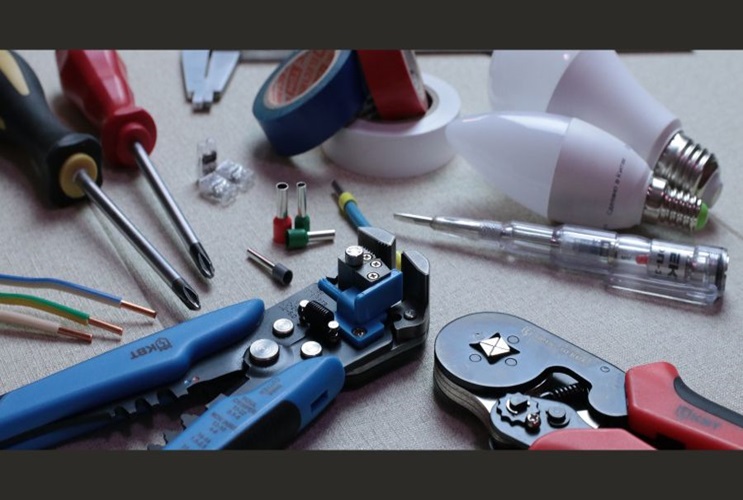
  • The Power of Using Private Label Tools for Your Business

    The Power of Using Private Label Tools for Your Business

    Are you struggling to stand out in a crowded market? Do you want to offer unique products that your customers will love? If so, private label tools may be just what your business needs.

    Table of Contents

    1. Introduction
    2. Stand Out from the Competition
    3. Increase Brand Loyalty
    4. Control Over Product Quality
    5. Increase Profit Margins
    6. Easy to Scale
    7. Conclusion

    Introduction

    Private labeling involves selling products under your own brand name that you source from a manufacturer. This allows you to offer exclusive products that aren’t available from competitors. In this article, we’ll explore the benefits of using private label tools and how they can help your business grow.

    Stand Out from the Competition

    One of the most significant benefits of using private label tools is the ability to stand out from your competition. Private labeling allows you to offer unique branded products that competitors don’t offer. This helps your business to be easily identifiable, and customers are more likely to trust your brand as they recognize it as a familiar and exclusive product.

    Increase Brand Loyalty

    Private labeling tools can also help to increase brand loyalty. Offering exclusive, high-quality products under your brand name can help to establish trust and credibility between you and your customers.

    Building Trust

    They will be more likely to return for future purchases and even recommend your brand to their friends and family.

    Control Over Product Quality

    Another advantage of using private label tools is the ability to control the quality of your products. As you work with a manufacturer to create your brand’s products, you have the ability to dictate all aspects of product quality, including ingredients, packaging, and labeling.

    Ensuring Quality

    This level of control affords you the opportunity to produce products that meet your exacting standards and satisfies your customer’s specific needs.

    Increase Profit Margins

    Private label products also allow businesses to increase their profit margins. As you work directly with the manufacturer to design a product, you can negotiate pricing and avoid the costs of developing your product from scratch.

    Reducing Costs

    By reducing overhead costs, you can save money and focus on creating and selling high-quality products that your customers genuinely love.

    Easy to Scale

    Private label tools are also easy to scale. With the right production processes and supply chain management, you can quickly and efficiently produce products in large quantities.

    Meeting Demand

    This is a boon for businesses that are looking to expand or enter new markets, as private label manufacturing allows for greater flexibility in meeting customer demand.

    Conclusion

    If you are looking to stand out from the competition, increase brand loyalty, control product quality, increase profit margins, and easily scale your business, then private labeling is the way to go. Using private label tools can help your business grow and establish itself as an independent brand.

    By creating exclusive products that reflect your brand’s values, you can increase customer engagement, improve customer retention, and ultimately increase profits. So, what are you waiting for? Start exploring how private label tools can benefit your business and move your brand forward today!

  • How to Choose the Right Optic Fiber Cable to Meet the Needs of Indoor Applications?

    How to Choose the Right Optic Fiber Cable to Meet the Needs of Indoor Applications?

    We’re living in a connected world. So, how do we ensure a strong connection? Something as small as an optic fiber cable or fiber patch cable can help. Choosing the correct one for indoor applications is essential for best performance, reliability, and safety whether installing a communication network within a building, constructing a data center, or adopting fiber to the Home (FTTH).


    Let’s look at the essential factors that can help you select a fiber optic cable for your indoor applications.

    Determine the Fiber Type

    The first step in choosing the proper fiber optic cable is finding the suitable fiber type. Think about whether your network application calls for single-mode or multi-mode fiber. Multi-mode fiber is commonly utilized for interior and short-distance applications. However, single-mode fiber is better suited for outdoor and long-distance applications. Understanding your network’s requirements can help you select the best fiber type.

    An image of an optic fiber cable

    Types of Fiber Optic Cables Based on Communication Channels

    It is essential to examine the type of communication channels while selecting the correct fiber optic cable for indoor applications. 

    Simplex Fiber Optic Cables

    Simplex fiber optic connections transmit data in only one direction. They are made up of a single strand of plastic fiber that is encased in an outer jacket. These cables are frequently used in automated speed and boundary sensors, digital data readouts, and interstate highway sensor relays. The core diameter of simplex cables is either 8 or 10 microns. They are useful for building up networks that need data transmission in a single direction across great distances because of their one-way data transfer capacity.

    Duplex Fiber Optic Cables

    Two fibers are arranged in a zip-cord pattern in duplex fiber optic cables. One fiber is in charge of transferring data in one direction, while the second fiber transmits data in the other way. Duplex cables are further classified into two kinds. 

    Half-Duplex Fiber Optic Cables

    Signals are transmitted in both directions using half-duplex fiber optic connections. Data, on the other hand, can only flow in one direction at a time. In video conferencing systems, for example, data is broadcast back and forth.

    Full-Duplex Fiber Optic Cables

    Full-duplex fiber optic connections allow data to be sent in both directions at the same time. It implies that data may be delivered and received simultaneously, enabling efficient and real-time communication. Full-duplex cables are commonly employed in high-speed networking applications, such as data centers and business networks. 

    Determine Fiber Counts

    After identifying the fiber type, the following step is to determine the needed fiber counts for your network architecture. Backbone fiber optic cables may need more fibers, ranging from 24 to 288 cores, whereas distribution cables have fewer fibers. Typically, 1 or 2 cores are adequate for last-mile FTTH drop cables. Assess your network’s requirements to identify the best fiber counts.

    An image of an optic fiber cable

    Consider the Application Environment

    Look for cable qualities such as flame retardancy, low smoke, and halogen-free (LSZH) for interior applications. To verify compliance, look for the cable’s flame retardant class and LSZH sheath material. Consider flame-retardant cables that are smoke-free or non-toxic combustible (LSZH) in pipelines or forced ventilation zones. 

    Use flame-retardant, non-toxic, and smokeless cables, often known as riser cables, in exposed interior situations. Tight-buffered fibers are also preferred for interior applications because of their superior mechanical performance, which includes a small bend diameter, ease of stripping, and flexibility.

    Indoor Applications that Require Optic Fiber Cable

    Optic fiber cables are used in various interior locations where stable and fast communication is required. 

    1. These cables link servers, switches, and storage devices in data centers, guaranteeing efficient data transfer and supporting the overall functioning of the infrastructure.
    2. Optic fiber cables are also used in office buildings to provide seamless communication between departments and workstations, facilitating operations such as file sharing, video conferencing, and cloud-based applications.
    3. Educational institutions also use optic fiber cables to provide high-speed internet connection and to allow e-learning platforms. These connections enhance the educational experience by facilitating communication between classrooms, administrative offices, and campus infrastructure. 
    4. Healthcare institutions use them to transfer patient records and medical imaging data to enable real-time communication between healthcare experts, resulting in more efficient diagnoses and patient care.

    Connectivity and Future Expansion

    Consider additional variables, like connectivity choices and potential future growth, in addition to the criteria outlined above. Check that the fiber optic cable you choose is compatible with the connections, fiber adapter, and equipment you want to utilize. 

    It will allow for more smooth integration and reduce compatibility difficulties. Furthermore, consider the possible requirement for future network growth and scalability. Choose cables that allow for simple updates and extensions without interfering with the current infrastructure.

    Consulting with professionals and reliable vendors can also be beneficial in determining the best fiber optic cable for your unique requirements.

    An image of an optic fiber cable

    When it comes to interior applications, the correct fiber optic cable can make or break your communication network’s efficiency and efficacy. So, put in the time and effort to make informed decisions and consult with experts.

    Looking for high-quality fiber optic products and solutions for indoor applications? Browse the products and services at Fibermart! Their experts understand the importance of reliable cables and proper installation for safe and high-speed data transmission. They have products for all budgets and needs. No matter your industry, their team can help you pick the best fiber optic products. 

    At Fibermart, you can find a wide range of products, including a fiber patch cable, optical amplifier, MTP trunk cable, fiber splitter, and much more, all at affordable rates. If you have any questions, their experienced experts are ready to assist you with their extensive knowledge and expertise.

    Contact them now or shop online