

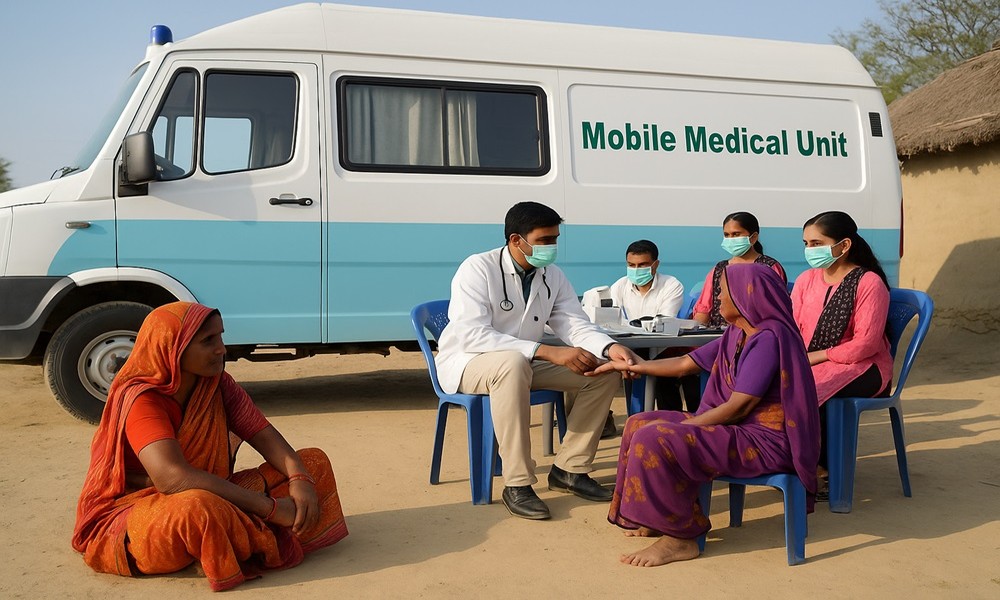
Healthcare delivery is undergoing a significant transformation as mobile medical services continue to expand across the globe. With increasing demand for accessible and convenient care, traditional healthcare systems are being complemented by mobile solutions. These services are helping bridge gaps in accessibility while adapting to the changing needs of modern populations.
What Are Mobile Medical Services?
Mobile medical services refer to healthcare solutions that operate outside traditional hospital settings. These include mobile clinics, telemedicine units, and portable diagnostic services that can reach patients in various locations. The rise of mobile medical services reflects a shift toward more flexible, accessible, and patient-centered care, enabling healthcare providers to extend their reach, reduce barriers to treatment, and deliver timely services to underserved and remote populations.
They are designed to provide flexibility and convenience, allowing healthcare providers to deliver services directly to communities, workplaces, and even homes. This approach ensures that more people can receive timely care without facing major barriers.
Factors Driving Global Growth
Several factors are contributing to the growth of mobile medical services worldwide. One of the main drivers is the increasing demand for accessible healthcare, especially in remote and underserved areas.
Urbanisation and busy lifestyles are also encouraging the use of mobile healthcare options. People are seeking quicker and more convenient ways to access medical services without long waiting times. Additionally, advancements in medical technology have made it easier to deliver quality care outside traditional facilities.
Improving Accessibility and Convenience
Mobile medical services significantly improve accessibility by bringing healthcare closer to patients. This is particularly beneficial for individuals who face challenges such as long travel distances or limited transportation options.
Convenience is another major advantage. Patients can receive consultations, screenings, and basic treatments at locations that are easily accessible to them. This reduces delays in seeking care and improves overall health outcomes.
Role of Technology in Expansion
Technology plays a crucial role in the expansion of mobile medical services. Telemedicine platforms, digital health records, and portable medical devices have made it possible to deliver efficient and reliable care remotely.
These technologies enable healthcare professionals to monitor patients, provide consultations, and manage treatments without requiring physical visits to hospitals. This not only saves time but also enhances the reach of healthcare services.
Addressing Healthcare Inequalities
Mobile medical services are helping reduce healthcare inequalities by reaching populations that are often left out of traditional systems. Rural communities, low-income groups, and disaster-affected areas benefit greatly from these services.
By providing consistent and reliable care, mobile solutions contribute to improving public health and ensuring that more people receive the attention they need.
Future Outlook
The future of mobile medical services looks promising as more organisations invest in innovative healthcare delivery models. Continued advancements in technology and infrastructure are expected to further enhance their effectiveness.
As awareness increases, these services are likely to become a regular part of healthcare systems worldwide, complementing traditional facilities and improving overall efficiency.
Conclusion
The growth of mobile medical services reflects the evolving nature of healthcare delivery. By improving accessibility, leveraging technology, and addressing inequalities, these services are playing a vital role in modern healthcare systems. Their continued expansion will be key to meeting the growing demand for efficient and inclusive healthcare worldwide.