

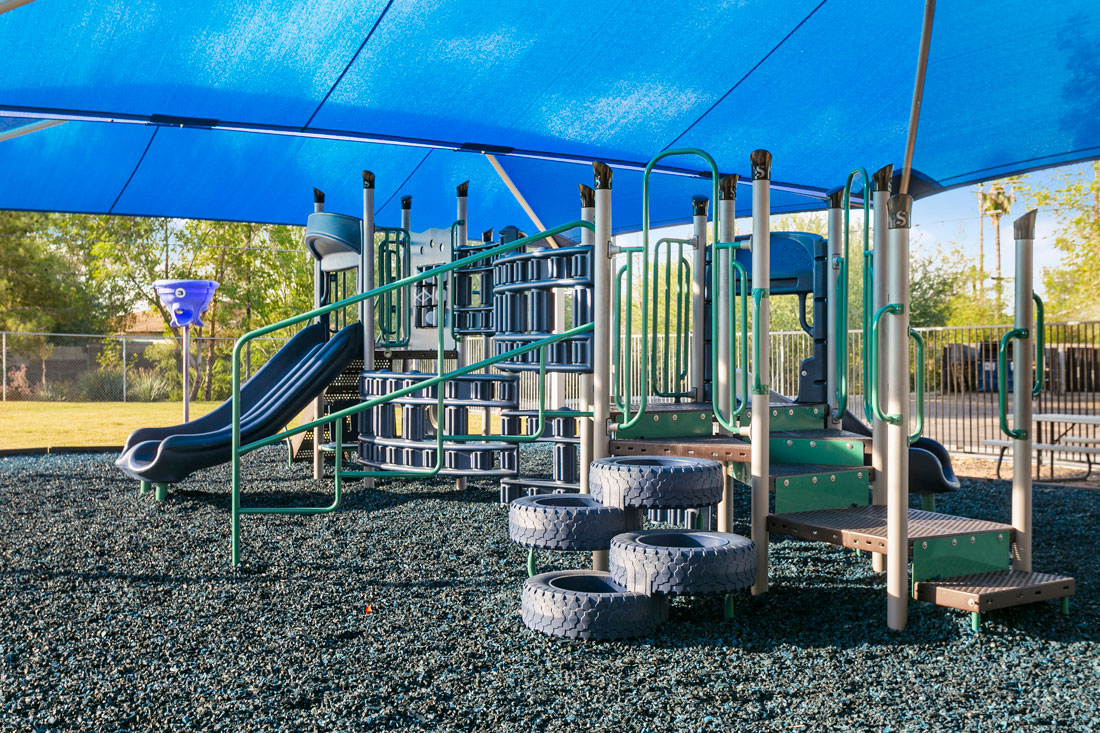
Creating a new playground is an exciting community project, whether for a school, park, or residential neighborhood. However, before the mulch is laid and the equipment goes up, there’s a critical step that can’t be overlooked—permits. Building outdoor playgrounds requires navigating local codes, safety regulations, and zoning rules to ensure the space is legally compliant and safe for children.
Playground designers like Inspire Play outdoor playgrounds work closely with clients and municipal authorities to simplify this process. Understanding what permits are needed ahead of time can save weeks—if not months—of delays and ensure your project stays on track.
1. Zoning and Land Use Permits
Before any construction begins, it’s essential to verify that the land is zoned appropriately for recreational use. This step involves:
- Checking local zoning bylaws or land-use designations
- Applying for a zoning variance if your project doesn’t conform
- Ensuring setback requirements and property lines are respected
- Confirming that noise, lighting, and traffic from the playground won’t violate local ordinances
Failure to address zoning early can result in expensive redesigns or even forced relocation of the project.
2. Building Permits
Most outdoor playgrounds require a building permit, especially if the project involves:
- Permanent structures (shade canopies, fences, restrooms)
- Utility connections (electricity or water features)
- Grading or excavation work
- Foundations for large play towers or climbing walls
The permit application will typically include engineered site plans, soil studies (if applicable), and load-bearing specs for the equipment.
3. Safety and Accessibility Compliance
To meet safety standards, your playground design must align with regulations set by:
- ASTM International (formerly the American Society for Testing and Materials)
- CPSC (Consumer Product Safety Commission)
- ADA (Americans with Disabilities Act) for accessibility
Although these aren’t “permits” in the traditional sense, demonstrating compliance with these guidelines is often required by your local building department before permit approval is granted.
4. Environmental or Stormwater Permits
If your playground is located near wetlands, creeks, or storm drains, you may need additional approvals related to:
- Soil erosion control
- Water runoff mitigation
- Tree removal or replanting
- Floodplain development reviews
Some regions require environmental assessments for public lands or school grounds, especially if land grading or landscaping will significantly alter the site.
5. Special Use or Conditional Use Permits
In some cases, especially in residential areas or historic districts, playgrounds may require a “special use permit” or “conditional use permit.” These permits typically involve:
- Community hearings or stakeholder feedback
- Specific design limitations (e.g., height restrictions or color schemes)
- Long-term maintenance plans submitted in advance
They ensure the playground integrates well with the surrounding community and doesn’t disrupt nearby properties.
6. Inspections and Final Approvals
Once construction is complete, your local municipality may require final inspections before the playground opens. These checks ensure:
- All structures were built to code
- Safety surfacing (e.g., mulch, rubber tiles) meets fall-height standards
- Fencing and access control are properly installed
- Accessibility pathways meet ADA slope and width requirements
Only after passing inspections will the playground receive a Certificate of Occupancy or final clearance.
Conclusion
Building a playground involves much more than choosing fun equipment—it’s a regulated construction project that must adhere to multiple legal, safety, and environmental standards. While the permitting process may seem overwhelming, it’s crucial for ensuring your playground is both compliant and safe for long-term use.