
Valves play a critical role in controlling the flow of liquids and gases in industrial piping systems across the UK. Selecting the right valve for high pressure applications is essential to ensure safety, efficiency, and long term reliability. With the wide variety of valve types, materials, and operating conditions, choosing the appropriate solution requires a clear understanding of system requirements and performance characteristics.
Understanding High Pressure Valves
High pressure valves are designed to withstand significant internal pressure while controlling flow or isolating sections of a system. Common types include:
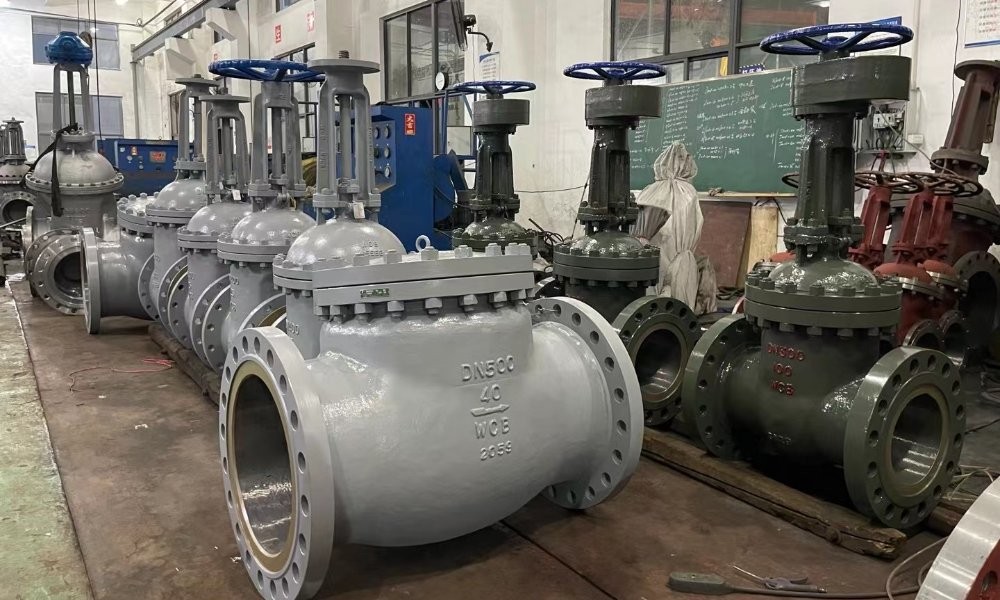
- Gate Valves: Ideal for full open or shut-off applications, offering minimal flow resistance.
- Globe Valves: Suitable for throttling and flow regulation in high pressure systems.
- Ball Valves: Provide tight shut off and quick operation, even under high pressure.
- Check Valves: Prevent backflow, protecting pumps and other equipment.
- Butterfly Valves: Compact option for larger diameters, offering moderate throttling capabilities.
Each type serves different purposes, and selecting the right one depends on system design, flow requirements, and operating conditions.
Key Factors to Consider
1. Pressure Rating
Check the valve’s maximum pressure rating, usually expressed in bar or PSI. Ensure it exceeds the system’s operating pressure to maintain safety margins.
2. Material Compatibility
Valve materials must be compatible with the fluid and environmental conditions. Common materials include stainless steel, brass, and high-performance alloys, chosen based on corrosion resistance and temperature tolerance.
3. Flow Requirements
Consider the required flow rate and whether the valve needs to allow throttling or full flow operation. Flow coefficients (Cv) provide guidance on sizing valves for efficient operation.
4. Operation Method
Valves can be manual, electric, or pneumatic. The choice depends on accessibility, automation requirements, and operational efficiency.
5. Maintenance and Reliability
High pressure valves may require periodic inspection, lubrication, or part replacement. Selecting valves with accessible designs and reliable seals reduces downtime and maintenance costs.
Applications in UK Industry
High pressure valves are used in a wide range of sectors:
- Oil and Gas: Controlling pipelines and managing high pressure processing systems.
- Chemical Manufacturing: Handling aggressive fluids at elevated pressures.
- Power Generation: Steam and water flow management in boilers and turbines.
- Water Treatment: High pressure pumping and distribution systems.
- Industrial Processing: Food, pharmaceutical, and material handling requiring precise flow control.
Proper valve selection ensures safe, efficient and long lasting performance in these demanding environments.
Frequently Asked Questions
Can a valve rated for a lower pressure be used safely in a high pressure system?
No. Using a valve below the system’s operating pressure can cause failure, leaks, or catastrophic damage. Always check the pressure rating.
How do I know which valve type to choose for flow regulation?
Globe and butterfly valves are typically used for throttling applications, while gate or ball valves are better for on/off control.
Do high pressure valves require special installation techniques?
Yes. Correct alignment, torque, and sealing are critical for maintaining performance and preventing leaks.
How often should high pressure valves be inspected?
Inspection frequency depends on usage and fluid type, but routine checks are recommended to ensure long-term reliability.
Final Thoughts
Selecting the right valve for high pressure industrial applications is a crucial step in maintaining system efficiency, safety, and longevity. By considering pressure rating, material compatibility, flow requirements, and maintenance needs, engineers and facility managers can ensure that valves perform reliably under demanding conditions.
Proper specification, installation, and inspection of high-pressure valves safeguard both equipment and personnel.