Have you ever stared at your pond one morning and found it looks a bit swampy? One week, everything is peaceful; the next week, your water looks cloudy, fish seem grumpy, and something smells a little suspicious. That is exactly when the importance of a good filter system hits home.
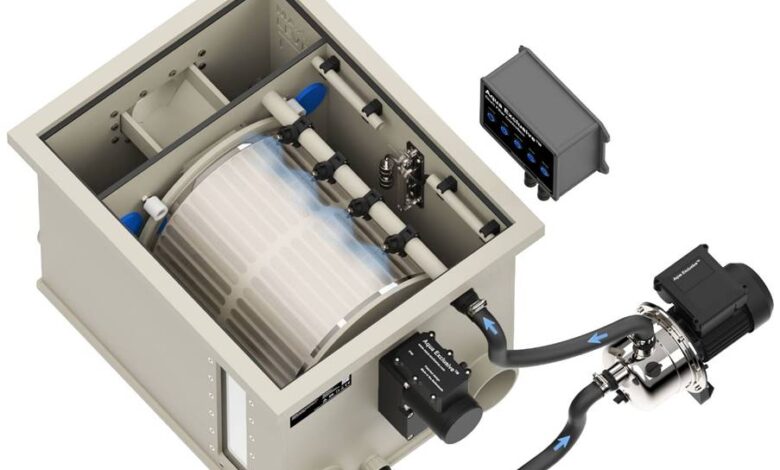
A pond drum filter often comes up as the hero for busy or big ponds. It uses a rotating fine mesh screen to catch debris so tiny you would never see it until it turns the water dull. And since many models clean automatically, you are not stuck rinsing out sludge every other day. That Pond Guy offers several of these, small ones, big ones, all the sizes in between, so pond owners don’t need to guess blindly.
Understanding Your Pond Before Picking a Filter
Not all ponds behave the same, and that is where people sometimes trip.
Before settling on a filter system, ask yourself a few things:
- How large is the pond?
- Lightly stocked or fish-packed like a festival crowd?
- Koi pond? Wildlife pond? Something in between?
- Do you want low maintenance, or don’t mind getting your hands wet often?
These little details shape the decision more than the filter’s price tag.
Common Types of Pond Filters
1. In-Pond Filters
Great for small ponds and casual setups. They sit inside the water and don’t need fancy plumbing.
Pros:
- Compact and fairly affordable
- Easy setup
- Perfect for low waste loads.
Cons:
- Not the strongest option
- Can clog faster
2. External Flow-Through or Pressurised Filters
These live outside the pond, which makes maintenance less awkward. They handle small to medium ponds quite well.
Good For:
- Pond owners who want easier access
- Ponds with moderate fish activity.
Things to Note:
- Installation might need a bit of pipework
- You will need a pump with the right flow rate.
3. Drum Filters
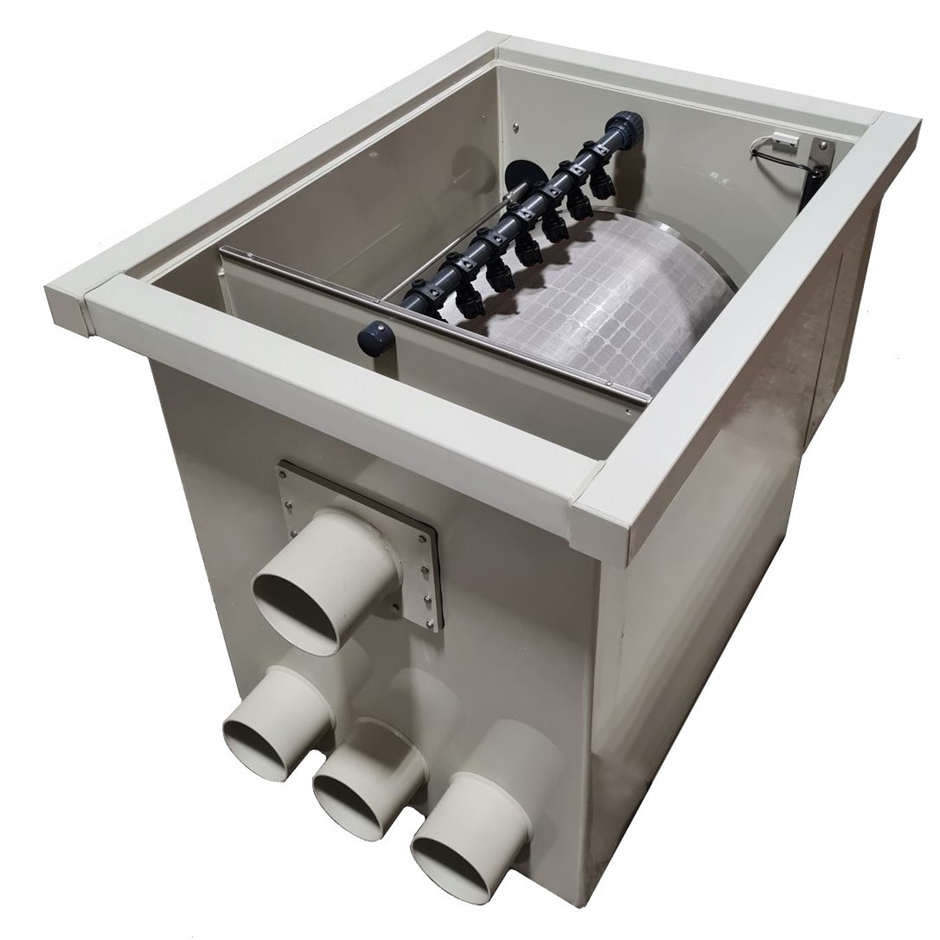
Drum filters, especially the ones you will find on That Pond Guy’s product pages, are a different breed.
They are ideal for:
- Large ponds
- Heavily stocked koi ponds
- Anyone who hates cleaning filters.
They are successful because they:
- Capture ultra-fine particles
- Often self-cleaning
- Keep water clearer for longer
- Reduce strain on biological filters.
4. Combo Systems
This is the “best of all worlds” approach. Lots of pond owners mix and match:
- Drum filter for mechanical waste
- Biofilter for ammonia & nitrite conversions
- UV clarifier to handle algae
- Pumps to keep water moving.
Which One Should You Choose?
Let us simplify things a bit. Choose a smaller filter if:
- Your pond is small
- Fish load is light
- Budget and simplicity come first.
Choose a drum filter if:
- Your pond is large
- You keep many koi
- You don’t want to scrub filter pads constantly
- You like the sound of “self-cleaning.”
Final Thought
If I were building a pond today, I would personally lean toward a drum-based setup simply because I value low maintenance and clean water. But there truly is not a universal “best filter.” The right one depends on your pond’s personality, size, fish, layout, and how much time you want to invest.