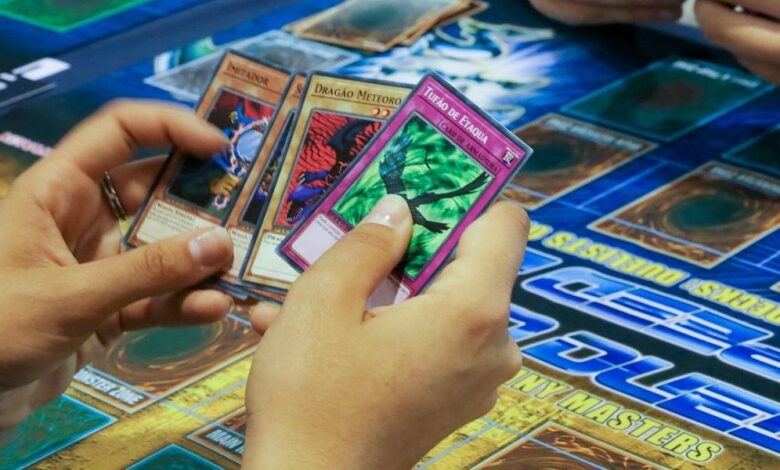
The tabletop gaming industry has experienced remarkable transformation in the past decade, with collectible card games, trading card games (TCGs), and hobbyist card games increasing in both popularity and variety.
One of the most impactful shifts enabling this explosion of creativity and accessibility is print‑on‑demand (POD) technology. Traditionally, card game printing involved large minimum orders, long lead times, and significant upfront costs – barriers that kept many independent designers and smaller publishers from entering the market.
Today, POD is reshaping these dynamics, empowering creators, delighting consumers, and unlocking new economic models in the card game ecosystem.
Lower Barriers to Entry for Designers
In the past, bringing a custom card game to market meant securing a substantial manufacturing order to achieve economies of scale – sometimes several thousand units. For independent designers or small publishers, this translated to financial risk: unsold inventory, storage costs, and uncertain demand. Frequently, only well‑funded companies could afford to play.
POD eliminates these barriers. Designers can upload their card designs to online POD platforms and print single copies or small batches as needed. This means creators can experiment with themes, mechanics, and artwork without committing to a large print run. For emerging designers, POD transforms “idea” into “product” with unprecedented ease, dramatically democratizing participation in the card game market.
Customization at Scale
Beyond simply lowering entry costs, POD enables levels of customization that were previously impossible. Players can now commission bespoke decks tailored to personal preferences – whether that’s thematic elements, player names, or unique mechanics. For example, drinking card games can be customized for family nights or special events. Fans of niche genres can have decks created featuring their favorite characters, stories, or artistic styles.
This trend toward personalization doesn’t just benefit individual players. Some creators build entire games around customizable components, allowing players to tweak or replace cards over time as part of the game’s progression. The result is a more intimate, engaging experience that deepens player investment and satisfaction.
On‑Demand Supply Reduces Waste
The environmental and economic inefficiencies of traditional manufacturing – overproduction, unsold stock, and storage waste – are well documented. POD addresses these issues directly by producing only what is ordered. This model minimizes waste, reduces inventory risk, and aligns production more closely with real demand.
For the card game market, where new expansions, sets, and iterations are constant, this is particularly powerful. A publisher can offer a range of side decks or limited‑edition cards without worrying about leftover stock. Retailers and distributors also benefit, as they can order just enough to satisfy demand without tying up capital in inventory.
Fast Iteration and Creative Freedom
Traditional production schedules can take months – sometimes over a year – from design finalization to finished product on store shelves. For enthusiasts and designers alike, this slow pace often hinders creative iteration. POD accelerates this process dramatically.
Designers can test concepts through small, quick print runs, gather feedback, and refine their products rapidly. This opens the door for more experimental mechanics and artistic styles that might not thrive in a conventional market constrained by economic risk. Developers can pivot faster and adapt to player feedback, leading to better‑balanced games and more innovative content.
Enabling New Business Models
Print‑on‑demand doesn’t just change how card games are made – it also transforms how they’re sold and monetized. Marketplaces that support POD often integrate digital storefronts, enabling seamless links between designers and customers. This fosters new business models such as:
- Direct‑to‑Consumer Sales: Designers sell without intermediaries, maintaining control over pricing and branding.
- Subscription Models: Players subscribe to receive new or customized decks periodically – a concept bolstered by the low‑risk nature of POD.
- Digital Integration: Some creators pair downloadable digital versions with printed cards, blending digital and physical play experiences.
These new revenue streams create richer ecosystems where creators thrive, and players enjoy more options.
Supporting Community and Inclusivity
Print‑on‑demand nurtures a community‑centric culture in the card gaming world. Designers and players interact more frequently than through traditional industry channels, sharing ideas, playtest decks, and feedback. The result is a more inclusive environment that amplifies diverse voices and perspectives. Smaller audiences that might have been ignored by major publishers now have space to grow and flourish.
Platforms hosting POD services also often include community features like review systems, forums, or social integrations. These tools help players discover new games and support creators directly, reinforcing healthy engagement.
Challenges and the Future
Despite its benefits, POD isn’t without challenges. Production quality can vary between providers, and per‑unit costs may be higher than large‑scale manufacturing. Some expansions or premium card games with complex components – like foil stamping or game box inserts – still rely on traditional printing to achieve top quality at a lower unit cost.
However, as technology advances and demand continues to grow, these limitations are gradually fading. The future of the card game market looks increasingly hybrid: large publishers leveraging POD for side products, indie designers launching vibrant niche titles, and players participating more directly in the creative process than ever before.