Blog

  • Strategies for Successful Product Launches

    Strategies for Successful Product Launches

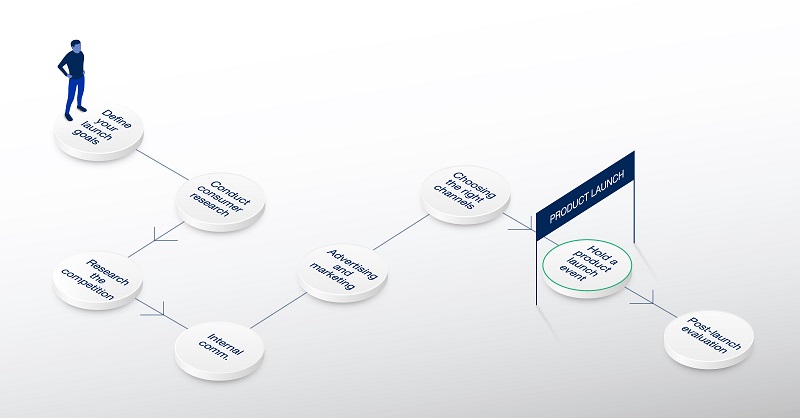
    Launching a new product into the market is an exhilarating yet challenging endeavor. Success requires a combination of meticulous planning, effective execution, and a deep understanding of your target audience. In this article, we will explore strategies for successful product launches, offering insights into key considerations, best practices, and the crucial role of a well-crafted go-to-market strategy.

    Thorough Market Research

    A successful product launch begins with a foundation of thorough market research. Understand the needs, preferences, and pain points of your target audience. Analyze the competitive landscape to identify gaps or opportunities your product can address. This information forms the basis for crafting a product that resonates with the market and informs your overall launch strategy.

    Create a Compelling Value Proposition

    Clearly articulate the value your product brings to the market. What problem does it solve, and how does it benefit the consumer? Your value proposition should be concise, compelling, and differentiate your product from competitors. A well-defined value proposition serves as the cornerstone of your messaging throughout the launch.

    Identify and Understand Your Target Audience

    Knowing your audience is key to tailoring your messaging and outreach efforts. Create detailed buyer personas that encompass demographics, preferences, and behavior patterns. Understanding your target audience enables you to communicate in a way that resonates with them, increasing the likelihood of a positive reception to your product.

    Strategic Branding and Positioning

    Develop a strong brand identity that aligns with your product and resonates with your target audience. Effective branding goes beyond a memorable logo; it includes the tone of your messaging, visual elements, and the overall perception you want to create. Position your product in a way that emphasizes its unique features and benefits within the market landscape.

    Build Anticipation with Teasers and Pre-launch Marketing

    Generate excitement around your product by strategically using teasers and pre-launch marketing. Leverage social media, email campaigns, and other channels to create anticipation. Tease key features, share behind-the-scenes glimpses, and offer exclusive sneak peeks. This not only builds interest but also establishes a sense of community around your product.

    Leverage Influencer Marketing

    Identify influencers in your industry or niche who align with your brand and target audience. Engage them to create content or endorse your product. Influencers can significantly amplify your reach and lend credibility to your product. Establishing relationships with influencers should be part of your broader marketing strategy.

    Forge Partnerships for Extended Reach

    Collaborate with strategic partners to extend the reach of your product launch. Identify partners whose audience aligns with your target market and explore mutually beneficial collaborations. This could involve joint marketing efforts, co-branded content, or even bundling products or services. By leveraging the existing audience of your partners, you amplify your reach and tap into new customer segments. Strategic partnerships add credibility to your launch and create a network effect, increasing the overall impact of your product in the market.

    Provide Exclusive Pre-launch Access

    Reward your most engaged audience members with exclusive pre-launch access. This could be in the form of a limited beta release, early access codes, or special promotions. Offering exclusivity not only makes your audience feel valued but also generates positive word-of-mouth, setting the stage for a successful launch.

    Craft a Comprehensive Go-to-Market Strategy

    A well-crafted go-to-market strategy is pivotal for a successful product launch. This strategy should encompass the entire customer journey, from awareness and consideration to purchase and post-purchase engagement. Define your distribution channels, pricing strategy, and sales approach. The go-to-market strategy serves as a roadmap for all your launch activities, ensuring a cohesive and effective campaign.

    Utilize Multi-Channel Marketing

    Implement a multi-channel marketing approach to reach your audience wherever they are. This includes a mix of digital marketing, social media, traditional advertising, and content marketing. Tailor your messaging for each channel while maintaining consistency in the overall narrative. A diverse marketing strategy increases your product’s visibility and accessibility.

    Invest in High-Quality Content Marketing

    Develop a content marketing strategy that educates and engages your audience. Create blog posts, videos, infographics, and other content that highlights the value of your product. Share customer testimonials, use cases, and success stories to build credibility. A robust content marketing strategy contributes to organic visibility and positions your product as a solution to your audience’s needs.

    Establish a Clear Launch Timeline

    Plan your launch timeline meticulously. Establish specific milestones, deadlines, and tasks leading up to the launch date. This ensures that every aspect of the launch, from marketing campaigns to product availability, is well-coordinated. A clear timeline also allows for effective communication and collaboration among cross-functional teams involved in the launch.

    Monitor and Adapt with Analytics

    Implement analytics tools to track the performance of your launch activities. Monitor key metrics such as website traffic, conversion rates, and social media engagement. Analyze the data to gain insights into what is working well and where adjustments are needed. This continuous monitoring and adaptation process is crucial for optimizing your strategy in real-time.

    Maximize Customer Engagement with Interactive Launch Events

    Elevate your product launch by organizing interactive launch events that directly involve your audience. Virtual or physical events, such as webinars, live demonstrations, or interactive Q&A sessions, provide an opportunity for direct engagement. These events not only allow potential customers to experience your product in real-time but also foster a sense of community around your brand. Incorporate gamification elements or exclusive promotions during these events to enhance participation and leave a lasting impression on attendees.

    Engage Your Audience Post-Launch

    The launch date is not the endpoint; it’s the beginning of an ongoing relationship with your customers. Continue to engage your audience post-launch through email campaigns, social media interactions, and customer support. Encourage user-generated content, gather feedback, and iterate on your product based on customer insights. This sustained engagement contributes to long-term success and customer loyalty.

    Gather and Act on Customer Feedback

    Actively seek and collect customer feedback after the launch. This valuable input can highlight areas for improvement, identify potential issues, and guide future product iterations. Demonstrating responsiveness to customer feedback also builds trust and reinforces your commitment to delivering a product that meets or exceeds expectations.

    Conclusion

    In conclusion, a successful product launch is a multifaceted undertaking that requires strategic planning, effective communication, and adaptability. By integrating these strategies into your launch plan, you can create a compelling narrative, generate anticipation, and build lasting relationships with your audience. A well-defined go-to-market strategy serves as the linchpin, ensuring that all elements align seamlessly for a successful and impactful product launch.

  • Charting a Greener Path: Effective Decarbonization Strategies for a Sustainable Future

    Charting a Greener Path: Effective Decarbonization Strategies for a Sustainable Future

    As the world grapples with the urgent need to address climate change and reduce greenhouse gas emissions, decarbonization strategies have emerged as a critical pathway towards a more sustainable future.

    These strategies aim to mitigate the impacts of climate change by reducing the carbon footprint of industries, transportation, and energy production. In this article, we explore effective decarbonization strategies and their role in charting a greener and more sustainable path for our planet.

    1. Renewable Energy Transition

    One of the most impactful decarbonization strategies is the transition to renewable energy sources such as wind, solar, and hydropower. By shifting away from fossil fuels for electricity generation, we can significantly reduce carbon emissions. Governments and businesses worldwide are investing in renewable energy infrastructure to accelerate this transition.

    1. Electrification of Transportation

    Decarbonizing the transportation sector is crucial, as it accounts for a significant portion of global emissions. Electrifying transportation through the use of electric vehicles (EVs) and expanding public transportation options can lead to a substantial reduction in carbon emissions.

    1. Energy Efficiency Improvements

    Improving energy efficiency in buildings, industrial processes, and appliances can lead to significant energy savings and reduced emissions. Energy-efficient technologies and practices, such as LED lighting, smart thermostats, and industrial automation, play a pivotal role in decarbonization efforts.

    1. Carbon Capture and Storage (CCS)

    Carbon capture and storage technologies capture carbon dioxide (CO2) emissions from industrial processes and power plants and store them underground. CCS prevents CO2 from entering the atmosphere and contributes to emissions reduction.

    1. Sustainable Agriculture and Land Use

    Agriculture and land use are major contributors to emissions due to deforestation and methane emissions from livestock. Sustainable agricultural practices and reforestation efforts can help sequester carbon and reduce emissions.

    1. Circular Economy Adoption

    Shifting towards a circular economy, where products and materials are reused, recycled, or repurposed, reduces the need for resource-intensive manufacturing processes and lowers emissions associated with production.

    1. Carbon Pricing and Policy

    Implementing carbon pricing mechanisms, such as carbon taxes or cap-and-trade systems, incentivizes businesses to reduce emissions by assigning a cost to carbon emissions. Government policies and regulations also play a critical role in driving decarbonization efforts.

    1. Technological Innovation

    Investing in research and development of clean technologies and innovations is essential for achieving decarbonization goals. Breakthroughs in areas like energy storage, carbon-neutral fuels, and sustainable materials can accelerate the transition to a low-carbon economy.

     Challenges and Considerations

    While decarbonization strategies offer a promising path forward, several challenges must be addressed:

    1. Transition Costs

    The initial costs of transitioning to cleaner technologies and practices can be substantial. Investment and financial incentives are necessary to facilitate this transition, especially for developing economies.

    1. Energy Storage

    To rely more on intermittent renewable energy sources like wind and solar, advancements in energy storage solutions are crucial to ensure a consistent and reliable energy supply.

    1. Behavioral Change

    Promoting sustainable behavior change among individuals, businesses, and industries is a complex challenge. Public awareness and education campaigns are essential components of successful decarbonization strategies.

     Conclusion

    Decarbonization strategies are at the forefront of global efforts to combat climate change and secure a sustainable future. These strategies encompass a wide range of actions, from transitioning to renewable energy sources to electrifying transportation and implementing carbon pricing mechanisms.

    While challenges exist, the urgency of addressing climate change necessitates bold and concerted efforts to reduce carbon emissions and chart a greener, more sustainable path forward. Decarbonization is not just a responsibility; it is an opportunity to build a healthier and more prosperous world for future generations.

  • Why should you consider hiring experts for plumbing services?

    Why should you consider hiring experts for plumbing services?

    In the complex snare of home support, one perspective frequently disregarded until inconvenience strikes is the plumbing framework. A releasing fixture, a burst pipe, or a failing water radiator can disrupt the day-to-day mood of any family. This is where the mastery of plumbing services ottawa becomes both valuable and pivotal.

    Technical Proficiency:

    One of the essential benefits of hiring plumbing experts is their technical proficiency. Prepared and experienced handymen have a profound understanding of the complexities of plumbing frameworks. Whether it’s diagnosing complex issues, fixing stowed-away holes, or putting in new installations, their mastery guarantees an exact and successful solution to any plumbing issue.

    Time Efficiency:

    Endeavoring do-it-Yourself plumbing fixes could appear to be an expense-saving measure; however, it frequently prompts delayed downtime and an expanded burden. Proficient handymen work productively, quickly distinguishing and settling issues. This time efficiency not only saves you from the problem of broadened disruptions, but also forestalls potential optional harms that could emerge from irritating plumbing issues.

    Comprehensive Solutions:

    Master plumbing services go beyond simple, convenient solutions. Experts provide comprehensive solutions that address the underlying driver of the issue. This proactive methodology helps in preventing repetitive issues, saving mortgage holders both time and cash over the long haul. From routine support to crisis fixes, plumbing experts offer an all-encompassing way to guarantee the ideal working of your plumbing framework.

    Up-to-Date Knowledge:

    The plumbing business develops with progress in innovation and materials. At the point when you enlist an expert plumbing administration, you benefit from their up-to-date knowledge of the most recent tools, procedures, and materials, guaranteeing that your plumbing framework is overhauled with the most ideal that anyone could hope to find rehearsed.

    Guaranteed Quality and Reliability:

    Respectable local plumbing solutions stand by the quality of their work. Many propositions guarantee or ensure their services, giving property holders an inward feeling of harmony. Picking a specialist guarantees that the work is finished to industry standards, lessening the probability of repeating issues and imparting trust in the reliability of your plumbing framework.

    In the domain of home support, putting resources into proficient plumbing services is a proactive move toward defending the core of your family—the plumbing framework. The technical proficiency, time efficiency, comprehensive solutions, up-to-date knowledge, and guaranteed quality and reliability presented by plumbing experts make them important accomplices in guaranteeing the consistent and effective working of your home’s plumbing foundation. Thus, the next time you face a plumbing challenge, consider the insight of going to the experts for an answer that endures for the long haul.


  • Continuous Learning in Customer Service

    Continuous Learning in Customer Service

    In the ever-evolving landscape of business, the importance of continuous learning in customer service cannot be overstated. The dynamic nature of customer expectations, coupled with rapid technological advancements, makes continuous learning not just an advantage but a necessity for customer service teams. This article delves into why continuous learning is crucial in customer service and how it can be effectively implemented to enhance customer satisfaction and business growth.

    1. Adapting to Changing Customer Expectations

    Customer service is a field that is constantly influenced by changing consumer preferences and expectations. What customers considered exceptional service a few years ago may now be the standard. Continuous learning allows customer service teams to stay abreast of these evolving expectations, ensuring they can always meet, if not exceed, customer needs. This adaptability is crucial in maintaining a competitive edge and fostering customer loyalty.

    2. Leveraging Technological Advancements

    The rapid advancement of technology, especially in communication and information management, has significant implications for customer service. New tools and platforms emerge regularly, offering innovative ways to interact with and support customers. Continuous learning in customer service involves staying updated with these technological trends and understanding how to integrate them effectively into existing service frameworks. This integration not only improves efficiency but also enhances the customer experience.

    3. Enhancing Problem-Solving Skills

    Customer service often involves addressing unique and complex customer issues. A team that is committed to continuous learning develops a broader skill set and a more profound knowledge base, enabling them to approach problems more creatively and efficiently. This problem-solving ability is essential in providing solutions that not only resolve customer issues but also turn challenging interactions into positive experiences.

    4. Building a Knowledge-Sharing Culture

    Continuous learning fosters a culture of knowledge sharing within the organization. When customer service representatives are encouraged to learn continuously, they are more likely to share insights and knowledge with their peers. This collaborative environment not only improves the team’s overall skill set but also enhances teamwork and morale.

    5. Keeping Up with Industry Trends

    Every industry undergoes changes and developments that can impact customer service. Whether it’s regulatory changes, new market trends, or evolving industry standards, continuous learning ensures that customer service teams are always informed and compliant. This knowledge is crucial not only for meeting legal and industry standards but also for advising and guiding customers effectively.

    6. Implementing Effective Training Programs

    To facilitate continuous learning, organizations must implement effective training programs. These programs should be designed to cater to different learning styles and schedules, incorporating a mix of online courses, workshops, webinars, and hands-on training. The goal is to create an environment where learning is accessible, relevant, and engaging for everyone on the team.

    7. Incorporating Customer Service Tips in Operations

    An often inconspicuous yet vital aspect of continuous learning involves the integration of exceptional service ideas into daily operations. These tips, gathered from training, experience, and customer feedback, serve as practical guides for enhancing service quality. They can range from communication strategies to handling difficult situations, and their consistent application ensures a high standard of customer interaction.

    8. Personal Development of Customer Service Representatives

    Continuous learning is not only beneficial for the organization but also for the personal development of customer service representatives. It offers them opportunities to enhance their skills, grow professionally, and stay motivated and engaged in their work. This personal growth translates into better job performance and, consequently, higher levels of customer satisfaction.

    9. Measuring and Evaluating Learning Outcomes

    It’s important to measure and evaluate the outcomes of continuous learning initiatives. Regular assessments, feedback sessions, and performance reviews can help in understanding the effectiveness of these programs. This evaluation is crucial for identifying areas of improvement, both in the learning programs themselves and in the customer service operations they aim to enhance.

    10. Preparing for Future Challenges

    Finally, continuous learning in customer service prepares teams for future challenges. The business world is unpredictable, and the ability to quickly adapt and learn is invaluable. Teams that are well-versed in continuous learning are more likely to successfully navigate future challenges, whether they stem from market shifts, customer demands, or internal organizational changes.

    11. Enhancing Emotional Intelligence and Empathy

    A critical, yet sometimes overlooked, aspect of continuous learning in customer service is the enhancement of emotional intelligence and empathy among team members. In the realm of customer interactions, the ability to understand and respond to the emotional needs of customers is as important as resolving their queries. Continuous training in emotional intelligence helps customer service representatives to better recognize and navigate the emotional landscapes of their interactions. This training can include understanding different personality types, managing stress, and effectively communicating empathy. By fostering these soft skills, businesses ensure that their customer service teams are not just technically proficient, but also emotionally equipped to handle the complexities of human interactions, leading to more meaningful and satisfying customer experiences.

    Conclusion

    In conclusion, the importance of continuous learning in customer service is multifaceted and undeniable. It equips teams to meet changing customer expectations, leverage new technologies, solve problems effectively, and stay informed about industry trends. By fostering a culture of continuous learning, businesses can ensure that their customer service teams are not just equipped to handle today’s challenges but are also prepared for the demands of tomorrow. This commitment to learning and improvement is essential for maintaining high standards of customer service and for the overall success and growth of the business.

  • The Benefits of Having a Fractional CFO in Education

    The Benefits of Having a Fractional CFO in Education

    While every school or college in the world aims at providing quality learning experiences, many of them often have to manage tight budgets. That’s where a Fractional CFO comes in—a financial expert with the power to bring significant benefits to the education industry.

    1. Budgeting Brilliance

    Schools often juggle limited funds, making budgeting a puzzle. A Fractional CFO helps put the pieces together. A good and experienced fractional CFO understands that the specific needs of the school or other education institutes must be addressed through a well-planned budget strategy. An expert fractional CFO also understands that the money should be spent where it matters the most! This should include the improvement of classrooms, hiring qualified faculty, creating a good learning environment, etc.

    1. Understanding of Financial Matters

    Finance can be like a foreign language, but a Fractional CFO is here to translate. They break down complex financial jargon into simple terms that everyone can understand. Thus, when any education institute takes the help of a fractional CFO, the task of understanding complicated financial matters becomes easy! This leads to better communication and clarity between financial department and other authorities.

    1. Knowledge of Regulations & Law

    Navigating regulations can feel like climbing a mountain. A Fractional CFO acts as a guide, helping schools avoid compliance pitfalls. A knowledgeable and experienced fractional CFO stays updated on the ever-changing rules of educational finance. The same ensures that the institution stays on the right side of the law without going through any trouble.

    1. Smart Spending, Wise Investing

    Schools need to be smart about where they spend money. A Fractional CFO helps identify areas for investment that will pay off in the long run.

    1. Risk Identification

    Every business must identify the risks. Thus, the education sector or business is no exception in this regard. The professional fractional CFO identifies any risk and creates plans to combat those risks.

    1. Support for Innovation & Technology

    Many of you might not know that a fractional CFO can also provide innovation and technology support. Don’t believe us? Let us explain. Education is the sector where the latest technology plays a very important role. A Fractional CFO understands the importance of technology in the education sector. Therefore, he helps choose the technology which not only helps the institute stay ahead but also gels well with the planned budget. He helps identify technologies that can contribute to the distinct reputation of the school or any other education institute that he serves.

    1. Some Miscellaneous Points:
    • A fractional CFO understands that education is a team effort. Thus, he encourages collaboration between the finance department and educators.
    • He also encourages teamwork and ensures that every financial decision that is taken supports the objectives of the school or any education institute.
    • He breaks down financial barriers and navigates the institutes in the right way.

    Wrapping Up:

    If you are in the education industry, consider welcoming a Fractional CFO into your financial team. You will be delighted at your decision to take the help of a fractional CFO who will help unlock your institution’s success through financial acumen and knowledge.

    Author Bio

    Aleksey Krylov, an accomplished Chief Financial Officer (CFO), is highly regarded for his proficiency in life sciences and medical technology. With a venture investing and M&A background, he has masterfully led 70+ successful fundraising and M&A transactions, showcasing his versatility in navigating diverse strategic opportunities. Possessing an MBA from Columbia Business School and a Bachelor of Science in Business Administration from Babson College, Aleksey’s blend of financial insight, deal-making skills, and operational leadership is a priceless asset for organizations in life sciences and medical technology, propelling them toward transformative growth and financial excellence.

  • Why China Is Becoming A Key Sourcing Hub for Thread Gauges and Thread Taps

    Why China Is Becoming A Key Sourcing Hub for Thread Gauges and Thread Taps

    Many manufacturing, companies are increasingly turning to China as a preferred source for their thread gauge and thread tap requirements. This shift is driven by several key factors that align with the strategic considerations of modern businesses. Let us look at some of the most important factors that drive this trend so that you could make well informed choices when deciding on the right thread gauge and thread tap sourcing options.

    One of the primary drivers is the compelling price advantage that sourcing from China offers without compromising on quality. The availability of cost-effective manpower in China plays a pivotal role in this advantage, enabling manufacturers to produce high-quality thread ring gauges and taps at a fraction of the cost compared to some other regions.

    China’s appeal extends beyond cost considerations to encompass a notable flexibility in catering to diverse order sizes. Manufacturers in China demonstrate a willingness to handle even small orders, a crucial aspect for companies with varying project requirements. This flexibility enables businesses to maintain agility in their operations, adjusting orders based on specific needs without facing the constraints that might arise from minimum order quantity restrictions. As manufacturing demands continue to fluctuate, this adaptability proves instrumental in meeting the evolving needs of companies across different industries.

    A significant contributor to China’s prominence as a sourcing hub for thread gauges and thread taps lies in its possession of large-scale manufacturing facilities. These facilities are characterized by their capacity to scale up easily in response to increasing demand. The sheer size and efficiency of these operations provide manufacturers with the capability to meet the requirements of projects ranging from modest to extensive scales. This scalability ensures that companies sourcing from China can navigate the challenges associated with varying production volumes, maintaining a seamless supply chain without compromising on product quality or delivery timelines.

    Beyond the economic advantages, the appeal of sourcing thread gauges and ACME thread taps from China is rooted in the country’s commitment to technological advancement. Chinese manufacturers have made significant investments in upgrading their production processes, incorporating cutting-edge technologies to enhance precision and quality. This dedication to staying at the forefront of manufacturing technology aligns with the stringent standards expected in industries that rely on precision tools. As a result, companies sourcing from China benefit not only from cost-effectiveness but also from the assurance of receiving products manufactured with the latest advancements in production methodologies.

    The increasing tendency among manufacturing companies to source thread gauges and thread taps from China is driven by a strategic combination of cost advantages, flexibility in order sizes, and the scalability of manufacturing facilities. China’s position as a global manufacturing hub is further solidified by its commitment to technological innovation, ensuring that businesses can access high-quality products produced with efficiency and precision. As companies seek to navigate the complexities of the contemporary manufacturing landscape, the decision to source from China emerges as a pragmatic choice, offering a harmonious blend of economic feasibility and technological prowess.


  • Enhancing Customer Engagement Through Personalized Online Experiences

    Enhancing Customer Engagement Through Personalized Online Experiences

    In the digital age, where competition is fierce across various industries, from retail and e-commerce to healthcare and telecommunications, businesses are increasingly focusing on enhancing customer engagement through personalized online experiences. Personalization has become a cornerstone in transforming customer interactions, driving sales, and fostering brand loyalty. This approach is particularly crucial for businesses grappling with inefficient customer relationship management (CRM) systems, the need for scaling sales and marketing efforts, and the complexity of managing customer support and service.

    The Power of Personalization

    Personalization in the digital realm involves tailoring the online experience to meet the individual preferences and needs of each customer. This strategy goes beyond addressing the customer by name in an email. It encompasses understanding customer behavior, preferences, and history to provide a customized experience. In industries like retail and e-commerce, personalization can significantly impact customer buying decisions, leading to increased sales and revenue growth.

    Data-Driven Personalization

    The foundation of effective personalization is robust data analysis. By leveraging data from various touchpoints, businesses can gain insights into customer behavior, preferences, and purchasing patterns. This data can then be used to tailor marketing messages, product recommendations, and content. For instance, in the financial services sector, understanding a customer’s spending habits can help in offering personalized financial advice or product recommendations.

    Integrating Personalization Across Platforms

    One of the key challenges businesses face is the lack of integration across different platforms and tools. To create a seamless personalized experience, it’s essential to integrate CRM, marketing, sales, and customer service platforms. This integration ensures that customer data is shared across all touchpoints, enabling a consistent and personalized experience. For example, in healthcare, integrating patient data across various platforms can provide a more personalized and efficient patient care experience.

    Personalization in Marketing and Sales

    In marketing and sales, personalization can be a game-changer. Tailoring marketing messages and sales pitches to the specific needs and interests of each customer can significantly increase engagement and conversion rates. For businesses looking to scale their sales and marketing efforts, personalization offers a way to effectively target and engage potential customers without increasing the workload exponentially.

    Enhancing the Online User Experience

    The user experience on a business’s website or digital platform is crucial in customer engagement. A personalized user experience can make the difference between a one-time visit and a loyal customer. This includes personalized content, targeted offers, and even the layout of the website. For instance, a well-organized product listing page, tailored to display items based on a customer’s previous browsing history or preferences, can significantly enhance the shopping experience in e-commerce.

    Personalization in Customer Support and Service

    Personalization also plays a vital role in customer support and service. By understanding the customer’s history and preferences, support staff can provide more efficient and tailored assistance. In sectors like telecommunications and tech/software, where customer support can be complex, personalization can lead to quicker resolution of issues and a more satisfactory customer experience.

    Leveraging AI and Machine Learning for Advanced Personalization

    The advent of artificial intelligence (AI) and machine learning has opened new frontiers in personalization. These technologies enable businesses to analyze large volumes of data and identify patterns that human analysis might miss. In sectors like retail and e-commerce, AI can predict customer preferences and suggest products they are likely to purchase, enhancing the shopping experience. In the field of education or non-profit organizations, AI-driven personalization can tailor content and communication to individual needs, thereby increasing engagement and participation. The use of AI in personalization not only makes the process more efficient but also continuously evolves the strategy based on real-time feedback and interactions.

    Personalization in the Mobile Experience

    In today’s world, where mobile usage is ubiquitous, personalizing the mobile experience is crucial. A mobile-first approach in personalization ensures that customers receive a consistent and tailored experience across all devices. This is particularly important in industries like travel and hospitality or automotive, where customers often switch between devices during their buying journey. Optimizing mobile apps and websites for personalization can include location-based services, push notifications tailored to individual preferences, and personalized mobile interfaces. This level of customization enhances the user experience, thereby fostering higher engagement and customer loyalty.

    Challenges with Training and Support

    Implementing personalization strategies can be challenging, especially for businesses with limited data insights or those struggling with the complexity of managing various platforms. Providing adequate training and support to staff is essential in overcoming these challenges. Employees need to understand how to leverage data and technology to create personalized experiences effectively.

    Conclusion

    In conclusion, enhancing customer engagement through personalized online experiences is a powerful strategy for businesses across various industries. By leveraging data, integrating platforms, and focusing on personalized interactions at every touchpoint, businesses can address their pain points, such as inefficient CRM and the need for scaling sales and marketing efforts. Personalization not only leads to increased customer satisfaction and loyalty but also drives business growth and revenue. As the digital landscape continues to evolve, personalization will remain a key differentiator in attracting and retaining customers.

  • Entrepreneurship: Empowering Independence, Financial Control, And Fulfillment Journey

    Entrepreneurship: Empowering Independence, Financial Control, And Fulfillment Journey

    Starting a small business can allow you to create more cash and be your boss. The appeal is that you can make your plan, select how much cash you’ll be able to make, and take after your interface. There are numerous to read more here with the best reasons to begin your small business. It can help you be more independent and have control over your cash.

    Small business ownership offers customizable hours, prioritizing work-life balance.

    One of the most excellent things about owning a little business is that you can select once you need to work. This adaptability is highly beneficial for individuals seeking a smooth transition between work and personal life. Unlike regular work with set hours, you can choose to arrange your day. Owning a trade lets you plan your work around your family and individual plans.

    Self-employment allows limitless income tied to dedication and business growth.

    Claiming a small business allows you to earn unlimited cash without being limited to a set salary. The more effort and commitment you put into your trade, the more cash you’ll make. As a business owner, you can earn more cash without limit, unlike when working for someone else and experiencing limited pay increases. The revenue generated by your business can significantly differ based on the strategies you employ to expand and promote additional products or services to your customers.

    Small business ownership yields autonomy, innovation, and agile adaptation capabilities.

    You get to form all the choices. You can direct your industries towards your arrangement, utilize strategies that coordinate your objectives, and change quickly when the advertisement changes as the owner of a small business. This opportunity permits you to undertake modern things, be inventive, and alter to keep up with unused patterns without being held back by a strict corporate framework.

    Entrepreneurship transforms passion into a profession and fosters personal fulfillment.

    Numerous business owners are motivated by their cherish for a particular industry or pastime. Beginning a commerce lets you make cash doing something you love. Working for yourself can help you harness your energy and create a successful business. Also, this can be making things, giving one-of-a-kind services, or coming up with unused thoughts. It is exciting chasing after what you love, making you feel cheerful and full of substance about yourself.

    Productive ownership of fruitful commerce brings value and affords longevity and wealth opportunities.

    Possession of an active business is a way of accumulating money or building wealth. However, a small business with stable customers and helpful resources may become more crucial. In return, you may be lucky enough to get the money in exchange for an acceptable bargain. Also, this will enable you to get a fair amount of cash back through your small business plans.

    Enterprise promotes development in a thriving, supportive, and hometown environment.

    These small-scale businesses are indeed necessary lives of the neighborhood. Small businesses provide employment and environmental impact, contributing to the local economy. Starting a profitable and small business can bring joy and change society by positively impacting individuals and the environment.

    Finally, running a small firm could be an effective union for earning money, being autonomous, and achieving your desires. Running a claims small business comes with more difficulties to manage, yet ultimately, the reward may outweigh those costs. If you want money or to be a boss, starting your own business will help you regain control of your money and life.

  • What is a dynamic mattress?

    What is a dynamic mattress?

    Dynamic mattresses are a type of air mattress that require an electricity supply, and they are aimed at vulnerable people and long-term patients in medical facilities. They are used to help relieve the impact of pressure sores and ulcers for patients who spend a lot of time in bed recovering and have been known to help speed up recovery due to the airflow and the release of pressure spread across the body rather than solely on the main pressure points where ulcers and sores appear over time.

    A dynamic mattress consists of a range of air pockets or cells that are throughout the makeup of the mattress, and throughout the process they inflate and deflate in incremental steps to make for a smoother process all round. What this does is it helps to regulate the blood flow across the body of the patient. Within some dynamic mattresses there is also partial immersion and envelopment of the patient too, leading to the further reduction of stress and pressure. The intervals of air being pumped through the mattress helps to relieve pressure applied to the skin and subcutaneous tissues. 

    How to choose a dynamic mattress

    When you are selecting what type of mattress you need for your patients and residents you need to consider a few different factors, such as the type of therapy the mattress is intended for, the specific clinical needs of the patients, and the level of care that each patient requires. On top of that, you need to consider whether the pressure area care of your patients’ needs will be met by the mattress. 

    How does a dynamic mattress work?

    The air cells alternately inflate and deflate on a continuous, slow cycle of movement. This helps to relieve pressure on the body in a more organic way. Every patient is different, and there are different indicators and symptoms to look out for to help in selecting the type of dynamic mattress each patient needs for their care. As the technology has improved, there has been greater assistance and communication with caregivers to determine what needs to be improved upon within healthcare mattress technology. This includes the fact that cables and air tubes are no longer visible, preventing accidental disconnection, as well as the improvement on the control units to ensure that caregivers have complete and easy control over the performance of the mattress.

    What is a pressure ulcer?

    A pressure ulcer is a localised injury on underlying tissue that is the direct result of pressure or pressure in combination with shear. Pressure ulcers can affect people of all ages, but it is more common in those that have underlying health conditions, and the elderly, due to mobility issues and the ageing process of the skin. 

    The importance of mattresses within healthcare settings cannot be understated. This is why the manufacturing process for medical mattresses, including a dynamic mattress for heavy and consistent use within a healthcare setting or a care home, takes on such crucial importance. Working with a company you can trust in the manufacture of mattresses and in the production of health care technologies, goes a long way to providing that quality and consistent high standard of bedding that is needed for so many patients and care home residents.

  • 5 Reasons Your Small Business Needs CFO Services

    5 Reasons Your Small Business Needs CFO Services

    If you want to internally audit your accounting department, prepare for a capital raise, and scale your business proactively—then no matter what your financial goals are, your company could likely benefit from small business CFO services.

    So what is a CFO, and what do they bring to the table for early stage companies?

    Today, the experts at CFO Hub are breaking down five reasons why hiring a CFO, or Fractional CFO for your small business, may be a wise financial decision for your growing company.

    What is a CFO?

    A Chief Financial Officer (CFO) is a senior executive responsible for overseeing all financial aspects of a company, ranging from day-to-day operational spending to long-term financial planning and strategy.

    While the specific duties of a CFO can vary depending on the organization, they typically encompass one or more of the following responsibilities:

    • Supervising financial operations, which may include managing purchases, accounts payable (AP) and accounts receivable (AR), investments, mergers and acquisitions, payroll (PR), and financial forecasting.
    • Setting and strategizing to achieve financial objectives and goals.
    • Managing audits, both internally by planning and executing internal audits and externally by liaising with external auditors.
    • Cash management to ensure liquidity and optimal financial health.
    • Facilitating capital raising activities and maintaining relationships with investors.

    In essence, CFOs possess the expertise to oversee, manage, or advise on all financial matters within a company. It’s worth noting that CFO roles can vary in terms of employment structure, with options ranging from full-time, in-house positions to fractional, part-time, virtual, or on-demand CFO arrangements, providing flexibility to companies seeking financial expertise and support.

    5 Reasons to Hire a CFO

    CFOs are seasoned, high-caliber professionals capable of adapting to various roles within your business as required. But why should you contemplate hiring one? Let’s delve into five reasons why engaging small business CFO services could be a savvy decision as you scale.

    1. They Can Help Direct Financial Projects

    If your business has reached a successful operational stage—with a team in place, a loyal clientele, and brand recognition—it may be primed for expansion. However, this growth journey often introduces unfamiliar tasks and challenges to your agenda.

    You might sense that a significant financial project lies ahead but feel uncertain about where to begin. This is where a CFO can step in to assist with various initiatives, such as:

    • Implementing new accounting software
    • Hiring accounting personnel
    • Managing legal changes pertaining to incorporation status, business name, ownership, and stakeholders
    • Preparing for potential mergers and acquisitions
    • Facilitating internal or external audits

    If you find yourself navigating uncharted financial territories and could benefit from expert guidance, it might be time to bring a CFO on board.

    2. They Provide Financial Forecasting Expertise

    Financial forecasting plays a crucial role in predicting how various changes within your business may affect its future performance, whether it’s operational adjustments, staffing alterations, or product developments.

    While creating a basic if/then model in Excel is feasible, a CFO brings invaluable expertise to the table, offering more sophisticated forecasting insights.

    Drawing from their extensive talent and knowledge, CFOs possess insights into:

    • Market dynamics, including interest rates, customer purchasing power, and regulatory changes affecting labor.
    • Advanced forecasting methodologies, such as linear regression models.
    • Tax policies and regulatory compliance specific to your jurisdiction.
    • Potential high-impact factors on forecasts, such as mergers and acquisitions, fundraising campaigns, or unforeseen financial crises.

    A CFO provides multifaceted perspectives on your brand’s financial future, backed by the ability to anticipate and navigate potential changes on the horizon.

    3. They Can Help Establish a Solid Financial Foundation

    If your business is in its infancy stages, you may still be in the process of establishing a solid financial foundation. In such cases, leveraging small business CFO services can prove invaluable in setting up a stable financial framework for your brand by:

    • Implementing accounting software tools: Selecting the appropriate platform, seamlessly integrating it into your day-to-day operations, providing training to accounting staff for proficient utilization, and maximizing its functionalities.
    • Developing and refining Standard Operating Procedures (SOPs) for accounting tasks to ensure consistency and efficiency.
    • Automating various financial transactions, including loan and bill payments, payroll processing, accounts payable check runs, regular investments, and transfers between different accounts.
    • Establishing pay structures and benefits packages for employees to attract and retain talent effectively.
    • Procuring and managing insurance policies to mitigate risk and protect your business assets.

    By capitalizing on small business CFO services, you can lay a strong financial groundwork during the early stages of your business, setting the stage for sustainable growth and success.

    4. They Can Connect You With Their Networks

    CFOs are seasoned executives with extensive professional networks. When you engage with a CFO, you gain access to their contacts, which may include:

    • Other industry executives, including competitors
    • Potential employment candidates
    • Consultants
    • Prospective investors
    • Regulatory authorities 

    These connections can provide invaluable insights and opportunities to outperform your competition and expand your brand’s reach.

    5. They Know How to Grow Burgeoning Brands

    What strategies are needed to drive profitability, attract investors, or execute significant investments? CFOs possess the expertise to guide your company through crucial growth milestones.

    Consider a scenario where you aim to achieve profitability within the next year. A CFO can assist in devising and implementing strategies such as:

    • Optimizing personnel to increase productivity
    • Implementing cost-saving measures
    • Developing comprehensive budgets
    • Launching targeted marketing campaigns to attract new customers
    • Facilitating capital raises
    • Enhancing branding to bolster market reputation

    While a CFO may not be directly involved in tasks like designing logos or posting job ads, their strategic oversight ensures the allocation of resources towards initiatives that propel your brand forward.

    Are You Ready to Hire a CFO?

    CFOs play a crucial role in business growth, but can your company afford to hire one? Before diving into recruitment, consider these key questions:

    • Are there significant obstacles hindering your brand’s progress?
    • Do you possess the financial expertise to effectively manage your company’s finances independently?
    • Do you have a clear understanding of your financial projections for the next six, twelve, or twenty-four months?
    • Depending on your responses, it may be time to start budgeting for a CFO position.

    However, it’s essential to recognize that the CFO role is evolving. If you’re unable to support a full-time, potentially six-figure hire at this stage, there are alternative avenues for accessing top-tier financial services from a seasoned CFO:

    • Engage a CFO on retainer for on-demand support.
    • Hire a per-project CFO to tackle occasional major tasks.
    • Explore fractional, virtual, outsourced, or consulting CFO services tailored to your needs.