
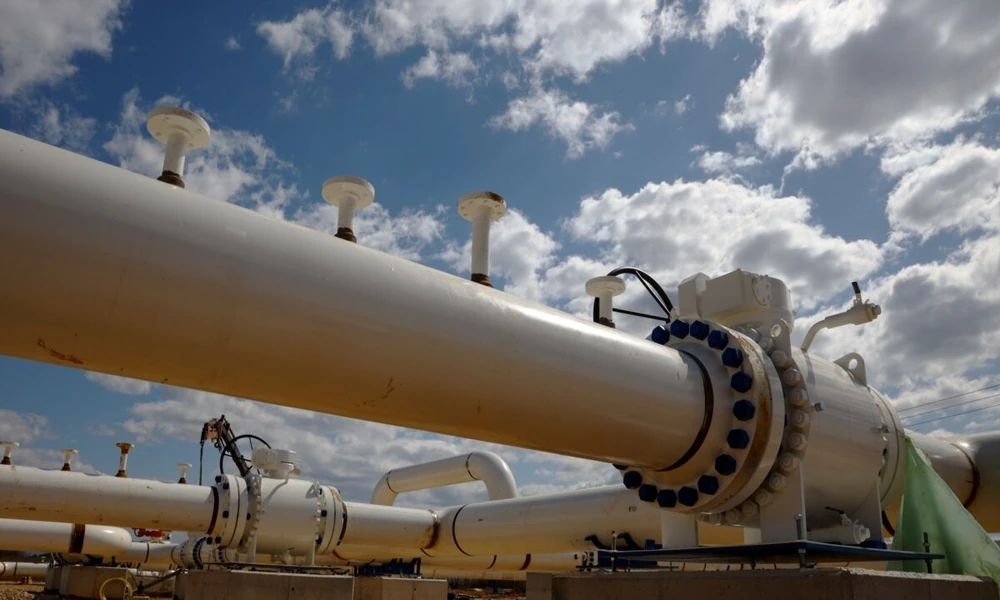
Pipeline networks depend on secure connections throughout operations. Even minor joint failures create costly operational risks. Flanges address this challenge through reliable mechanical connections. They simplify equipment access during maintenance activities. Across refineries, terminals, and offshore assets, the oil and gas flange remains essential for safe fluid transfer and dependable system performance.
What Makes Flanges Essential In Pipeline Networks?
Every pipeline contains connection points requiring dependable sealing. Pressure fluctuations place continuous stress on connected sections. Without strong joints, leaks may develop unexpectedly. Flanges create bolted connections carrying fluids securely. During inspections, technicians separate sections without cutting pipe. Such access saves time while reducing shutdown complexity across processing facilities.
How Do Flanges Improve Maintenance Efficiency?
Equipment eventually requires inspection, replacement, or internal cleaning. Fixed joints complicate those maintenance tasks considerably. Flanged assemblies create easier access around critical equipment.
- Fast removal during scheduled plant turnarounds
- Reduced pipe cutting across maintenance projects
- Better access near control valves
- Easier equipment replacement procedures
Field crews value these advantages during tight shutdown schedules.
Key Flange Types And Their Practical Uses
Different operating conditions require different connection designs. Selection depends on pressure, temperature, and service requirements.
- Weld neck designs handle severe pressure loads
- Blind units seal unused pipeline openings
- Socket weld versions suit compact installations
Threaded options work where welding restrictions exist. Slip-on styles remain common within lower-pressure processing lines. Each configuration addresses specific operating demands rather than serving universal applications.
Why Does Material Selection Matter So Much?
Harsh operating environments test every pipeline component daily. Corrosive fluids create challenges across processing facilities. Material choice directly affects connection lifespan and sealing reliability. Stainless steel resists corrosion within aggressive service conditions. Carbon steel performs well during suitable operating environments. In offshore installations, an oil and gas flange faces vibration, salt exposure, and pressure variation simultaneously.
Can Poor Flange Selection Create Operational Problems?
Incorrect specifications often trigger avoidable reliability concerns. A pressure mismatch weakens connection integrity over time. Improper dimensions may affect gasket compression quality. For example, refinery units handling hot hydrocarbons require suitable pressure ratings. Cost savings achieved during procurement sometimes disappear through unexpected downtime, repair expenses, and production interruptions.
The Connection Behind Reliable Energy Transport
A flange does more than join pipeline sections. It influences maintenance access, operational continuity, and sealing confidence. Consider an offshore platform replacing a valve during rough weather. Quick separation becomes invaluable under those conditions. Seen through that practical lens, flange selection reflects engineering judgment rather than simple component purchasing.