

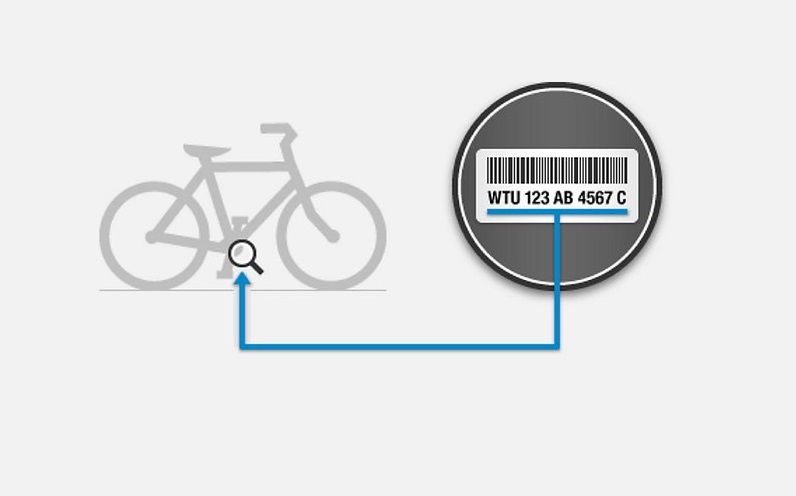
Understanding The Vehicle Identification Number (VIN)
The VIN, a unique alphanumeric code assigned to every vehicle, acts as a digital fingerprint for cars, including motorcycles. It holds critical details such as the make, model, production year, and specific bike features. This code serves various purposes, from facilitating registration and tracking recalls to aiding in insurance claims and verifying a vehicle’s history.
Locating The VIN Or Chassis Number
To embark on this journey, you must know where to find your bike’s VIN or chassis number. While the specific location may vary based on the manufacturer and model, familiar places include:
- Frame: Look for a metal plate or a set of numbers and letters directly stamped or etched on the bike’s frame. Typically found on the steering head or near the engine attachment point.
- Fork Neck: Some bikes have the VIN or chassis number stamped on the fork neck, where the front forks join the frame. Check for a stamped number or metal plate in this area.
- Engine: The bike’s engine may occasionally bear the VIN or chassis number. Look for a stamped or engraved number on the engine casing or other visible components.
- Owner’s Manual Or Documents: Check the owner’s manual or any documents that came with the bike, as they might also list the VIN or chassis number.
Components Of A Bike’s VIN
- World Manufacturers Identification (WMI): The first three characters represent the manufacturer and country of origin.
- Vehicle Descriptors (VDS): The following six characters indicate details like the model, engine type, and body style.
- Vehicle Identifier (VIS): The remaining characters, assigned by the manufacturer, uniquely identify each bike.
Engine Number And CC: Unveiling The Bike’s Power
Besides the VIN, a bike’s engine has its unique alphanumeric Engine Number. Cubic Centimeters (CC) indicate the engine’s size and power, with higher values suggesting greater capability.
Finding The Engine Number
Locating the engine number is usually straightforward. Check the engine block or casing, close to the crankcase or cylinder head, for a stamped or engraved engine number. Consult the owner’s manual, registration certificate, or manufacturer for precise information.
Impact Of CC On Insurance Costs
The bike’s CC plays a significant role in determining insurance costs. Third-party bike insurance is mandatory as per the law. The process of buying bike insurance online is simple and a hassle-free one. Higher CC bikes are typically associated with higher premiums due to their increased power, potential for faster speeds, and potentially higher repair costs. Insurance companies consider the risk profile of the insured vehicle when setting premium rates. Ensure you carry out the process of expired bike insurance renewal on time.
Uncovering your bike’s VIN and chassis number is essential for identification and record-keeping. Coupled with comprehensive bike third-party bike insurance, these numbers ensure the safety and security of your beloved machine. Insurance providers offer comprehensive bike insurance plans, broad coverage, easy claim resolution, and top-notch customer support to safeguard your valuable asset. You can use a Bajaj Allianz motor insurance premium calculator to estimate the costs of premiums to be paid. Claims are subject to terms and conditions set forth under the motor insurance policy. *
Get insured anytime, anywhere! Check out Bajaj Allianz General Insurance website to learn more and download the app now.
*Standard T&C Apply
Insurance is the subject matter of solicitation. For more details on benefits, exclusions, limitations, terms, and conditions, please read the sales brochure/policy wording carefully before concluding a sal