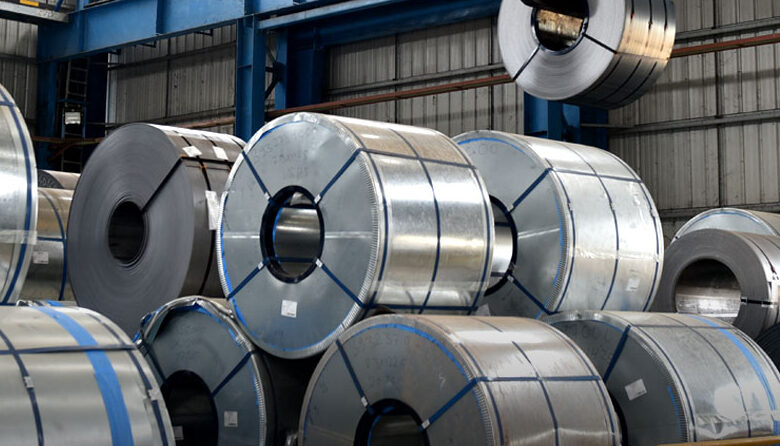
Think of a building that breathes, saves energy, and still feels solid underfoot. HR coil sheets make that possible. The appeal is simple. Rolled steel offers real strength with tidy detailing, smooth logistics, and a clear route to recycling. With Hot Rolled coils from credible Indian mills, architects and contractors cut waste, shorten schedules, and prove the carbon story with confidence. It is a smart, premium choice for teams that want sustainability to work in practice, not only on paper. Read on to know more.
Why HR Coil Sheets Suit Green Design
Hot-rolled steel is built for straight, honest performance. When selection and inspection are handled with care, it supports sustainability targets from concept to handover.
- Material efficiency: High strength-to-weight allows slimmer members and fewer pieces, which reduces raw material use and transport.
- Lifecycle value: Durable sections extend service life, limit replacements, and moderate whole life carbon.
- Recyclability: Rolled steel can be recycled again and again while retaining mechanical properties.
- Process control: Modern mills deliver tight tolerances for thickness, width, and flatness, which cuts rework and waste.
Human Oversight That Lifts Quality
Digital systems help, yet human judgment makes the difference between acceptable and exemplary. Treat oversight as an asset.
- Verify documents: Ask for mill test certificates and heat numbers for every coil. Confirm chemistry and mechanicals against the project specification.
- Choose transparency: Prefer suppliers offering Environmental Product Declarations and audited recycled content.
- Inspect on arrival: Check edge quality, flatness, surface scale, and any moisture marks before cutting.
- Close the loop: Record and recycle offcuts by weight to support certification submissions and client ESG reporting.
Design Choices That But Embodied Carbon
Small, precise decisions add up to measurable reductions.
- Design for reuse: Prioritise bolted connections and demountable frames to enable future relocation or reconfiguration.
- Optimise thickness: Match coil thickness to actual load paths and serviceability limits, not blanket rules of thumb.
- Select finishes wisely: Use primers, metallised coatings, or weathering grades based on exposure to extend maintenance intervals.
- Plan logistics: Coordinate release schedules with fabricators to avoid partial loads and idle time on site.
India’s Supply Confidence
Sustainable architecture relies on dependable partners. Hot-rolled coil manufacturers in India have advanced in energy management, water recovery, and rail-first logistics. The outcome is steadier product quality, shorter lead times, and clearer disclosures that simplify submittals and audit trails. For project teams, that means fewer procurement surprises and easier verification of sustainability claims.
What to Ask Your Supplier Before You Order
Build these checks into your process, and you will feel the difference in delivery.
- Which grade and standard are offered, and why are they suitable for the intended use
- Guaranteed coil width, thickness, and tolerances
- Availability of an EPD and a recycled content statement
- Traceability from melt to coil to part
- Packaging and moisture control practices during transit and site storage
Conclusion
HR coil sheets give sustainable architecture a practical backbone. Measurable strength, consistent quality, and fundamental circularity meet the brief for resilient, low-carbon buildings. Pair the right Hot Rolled coils with disciplined human oversight, and you secure a structure that stands taller, lasts longer, and proves its environmental claims with calm confidence. For teams seeking reliable outcomes from concept to closeout, rolled steel remains the straightest line to stronger and greener results, and hr coil selection is where that line begins.